
10-Year Treasury Yield Reaches Highest Level Since 2002
MIAMI — October 1, 2026
The 10-year Treasury yield has surged to its highest level since 2002, reaching 4.75% as of October 1, 2026. This notable increase reflects a broader global bond market rout that has raised concerns among investors and analysts alike regarding future economic conditions.
This development comes in the wake of several factors influencing the bond market, including rising inflation rates, anticipated interest rate hikes by the Federal Reserve, and shifting investor sentiment towards riskier assets. The yield on the 10-year Treasury note is often viewed as a benchmark for other interest rates, impacting everything from mortgage rates to corporate borrowing costs.
The Federal Reserve, under the leadership of Chair Jerome Powell, has been navigating a complex economic landscape characterized by persistent inflation and a tight labor market. In recent months, the Fed has signaled its intention to continue raising interest rates to combat inflation, which has contributed to the upward pressure on Treasury yields. The last rate hike occurred in September 2026, when the Fed raised the benchmark rate by 25 basis points to a range of 5.25% to 5.50%.
Market analysts are closely monitoring these developments, as the rising yields could lead to increased borrowing costs for consumers and businesses, potentially slowing economic growth. The implications of this trend are significant, as higher yields can also affect stock market performance, leading to a potential shift in investment strategies.
This surge in the 10-year Treasury yield is receiving heightened attention now due to its potential impact on the broader financial landscape. Investors are recalibrating their portfolios in response to the changing interest rate environment, and the bond market’s volatility is prompting discussions about the sustainability of current economic growth rates.
Locally, the implications of rising yields could be felt in Miami’s real estate market, where higher mortgage rates may dampen demand for housing. Nationally, the increase in borrowing costs could lead to a slowdown in consumer spending, which is a critical driver of the U.S. economy.
Looking ahead, analysts predict that the 10-year Treasury yield may continue to fluctuate as the Federal Reserve assesses economic indicators and adjusts its monetary policy accordingly. Investors will be keenly watching upcoming economic reports, including employment data and inflation figures, to gauge the trajectory of interest rates and their potential impact on the bond market.
Source: CNBC








Federal Ban Threatens THC Beverage Boom
A new federal ban on THC beverages could disrupt the rapidly growing...
 2 Mins read
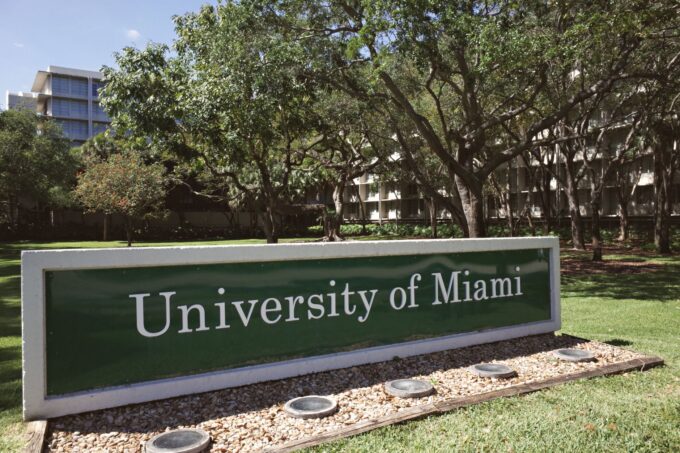
Ken Griffin Invests $2 Billion in New University in Miami
Ken Griffin's substantial investment in a new university in Miami signals a...
2 Mins read

Navigating the New Frontier of AI-Enhanced Scams: A Guide to Protecting Your Wealth
Discover how to safeguard yourself against sophisticated AI-driven scams with a comprehensive...
3 Mins read



The Unseen Narrative: John Wilson’s Exploration of Concrete
Delve into John Wilson's debut documentary 'The History of Concrete,' where he...
3 Mins read

Leave a comment