
U.S. Government Declassifies 2017 FBI Investigation into Trump Amid Ongoing Political Scrutiny

On August 6, 2026, the White House officially declassified documents related to the FBI’s 2017 investigation into former President Donald Trump, a move that has sparked renewed debate over governmental accountability and transparency. This decision follows years of controversy surrounding the investigation, which was initiated in the wake of Trump’s controversial dismissal of then-FBI Director James Comey.
The declassified materials detail the FBI’s inquiries into potential collusion between Trump’s 2016 presidential campaign and Russian operatives. Key figures involved include former FBI officials and Trump administration members, as well as various congressional leaders who have sought to understand the implications of the investigation on American democracy. The release comes amid a broader context of political polarization, with both supporters and detractors of Trump interpreting the findings to bolster their respective narratives.
This development is significant not only within the United States but also on a global scale. It underscores ongoing tensions regarding political integrity and the rule of law in a democratic society. The implications of this declassification could influence public perception of governance, potentially impacting voter sentiment ahead of the upcoming elections. Moreover, it raises questions about the role of federal institutions and their capacity to operate independently of political influence.
Looking ahead, the release of these documents may lead to further investigations or hearings in Congress, as lawmakers seek to address potential ramifications for both past and future administrations. The possibility of heightened scrutiny on political figures and institutions could either reinforce calls for reform or exacerbate existing divisions within the political landscape, depending on how stakeholders choose to interpret and respond to the newly available information.
Source: oann.com










FBI Investigates Trump for Potential Russian Asset Links Following Comey Dismissal
The FBI's secret investigation into Trump's potential ties to Russia raises critical...
 1 Mins read

FBI’s Secret Investigation into Trump as Potential Russian Asset Uncovered in Declassified Memos
The revelation of the FBI's investigation into Trump as a potential Russian...
1 Mins read
New Intelligence Reveals Allegations of FBI Misconduct in Trump Investigation
Recent intelligence suggests potential misconduct by the FBI in the investigation of...
1 Mins read
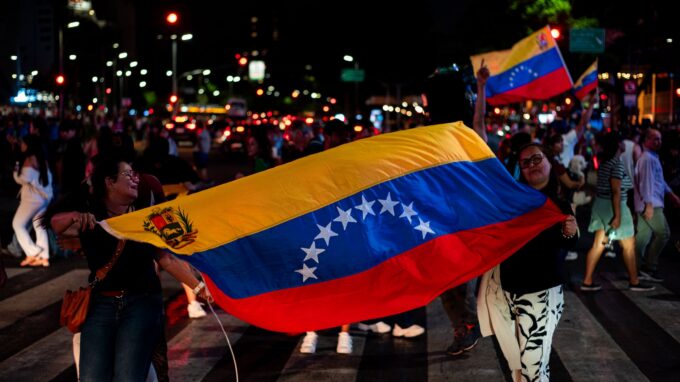


Venezuela Faces New Political Challenges Amid Economic Turmoil on August 6, 2026
Venezuela's political landscape shifts dramatically as economic pressures intensify, affecting governance and...
1 Mins read

Leave a comment