
Market Shake-Up: The Impact of Moe’s Bankruptcy on Florida’s Retail Landscape
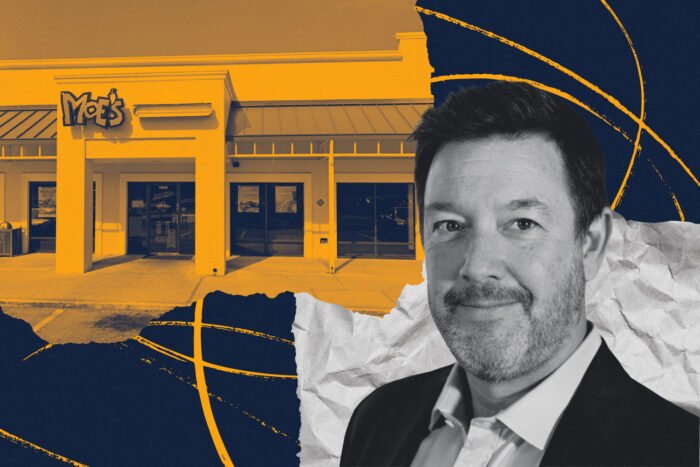
Unraveling the Threads of Retail
The vibrant tapestry of Florida’s retail sector is witnessing a significant disruption as a prominent franchisee of Moe’s Southwest Grill has filed for Chapter 11 bankruptcy. With over 50 locations across Florida, Georgia, and Virginia, the implications of this move extend far beyond the immediate closure of stores, influencing landlords, investors, and shoppers alike.
A Financial Storm Brewing
Quality Fresca I, the franchisee in question, is seeking to terminate leases for 16 of its locations, a decision that could leave gaping holes in retail centers. The company’s financial troubles, revealing liabilities between $10 million and $50 million against assets estimated from $1 million to $10 million, paint a picture of a business struggling to maintain its foothold in a competitive landscape.
The bankruptcy filing was submitted to the U.S. Bankruptcy Court for the Southern District of Florida, underscoring the severity of their situation. With a creditor list numbering between 200 and 999, many landlords now face uncertain futures, as the void left by these closures could impact foot traffic and overall revenue for shopping centers.
Implications for Retail Landlords
The fallout from Quality Fresca I’s bankruptcy filing will resonate across the retail leasing ecosystem. Landlords may find themselves grappling with the challenge of filling vacancies left by the shuttered Moe’s locations. The timing is particularly critical as the retail sector is navigating an evolving consumer landscape, where preferences shift rapidly and the demand for experiential dining continues to grow.
- Increased Vacancy Rates: As malls and shopping centers adjust to the loss of a recognizable dining brand, landlords may experience heightened vacancy rates, affecting their overall leasing strategy.
- Negotiation Leverage: Tenants might have increased leverage in negotiations, as landlords may be more inclined to offer favorable terms to secure new tenants.
- Market Dynamics: The closures could prompt a reevaluation of tenant mixes in shopping centers, with a potential shift towards more resilient brands or diversified offerings.
Investing in Change
For investors and developers, the current scenario presents both challenges and opportunities. While the immediate outlook may seem bleak, the evolving retail landscape can also pave the way for innovative concepts that resonate with today’s consumers. There is a growing appetite for experiential retail, where dining options are integrated with lifestyle experiences, creating a more holistic shopping environment.
Developers may consider exploring mixed-use developments that combine residential, commercial, and recreational spaces, thereby attracting a diverse clientele. This shift could potentially mitigate the impacts of closures like those of Moe’s by fostering a more vibrant community atmosphere.
Consumer Impact and Behavior Shifts
For the local consumer, the closure of Moe’s locations may initially seem like a loss of a casual dining option, but it also signals a shift in dining preferences. The pandemic has accelerated changes in consumer behavior, with many now favoring takeout options, food delivery services, and unique dining experiences over traditional fast-casual restaurants.
As the retail landscape adapts, consumers may find themselves with an array of new culinary options that not only fill the void left by closed franchises but also offer fresher and more diverse experiences. This evolution could serve as a catalyst for local entrepreneurs to introduce innovative dining concepts that align with modern consumer preferences.
Looking Forward: A New Era of Retail
The recent bankruptcy filing by Quality Fresca I serves as a reminder of the volatility within the retail sector, particularly in the fast-casual dining segment. As Florida’s shopping centers brace for the impact of these closures, the focus must shift towards adaptation and innovation. Landlords, investors, and consumers alike can look forward to a retail environment that prioritizes resilience and creativity, ensuring that the heart of Florida’s shopping experience continues to thrive.
As the market evolves, the lessons learned from this situation will undoubtedly shape future strategies within the retail landscape, paving the way for a more dynamic and sustainable approach to business in the Sunshine State.
Editorial note: This article was created by A Bit Lavish Miami’s Magazine as an original editorial reinterpretation based on publicly available reporting. Original source: therealdeal.com. Read the original article here: https://therealdeal.com/miami/2026/08/06/moes-southwest-grill-franchisee-bankruptcy-to-close-stores/.
Images are used for editorial reference with source credit. If an image requires correction or removal, please contact A Bit Lavish.










Grant Cardone Expands His Real Estate Empire with Naples Acquisition
Explore Grant Cardone's latest $90 million acquisition in Naples, reflecting his strategy...
 2 Mins read

Navigating the Future: Florida’s Hesitation Towards Hyperscale Data Centers
Explore Florida's complex landscape of hyperscale data center developments, where community concerns...
2 Mins read

A New Era for Emerald Hills: Transforming Golf Course to a Vibrant Community Hub
Exploring the ambitious redevelopment of The Club at Emerald Hills in Hollywood,...
2 Mins read



Sophisticated Living in Bay Harbour Islands: A New Chapter in Luxury Apartment Development
Explore the latest luxury apartment development in Bay Harbour Islands, featuring a...
 ABL2 Mins read

Leave a comment