
Navigating the Private Equity Landscape: Lessons from Hartford’s Transformation

The Hidden Costs of Financial Maneuvering
In the shadow of Hartford, Connecticut, a profound transformation has unfolded, revealing the often-unseen consequences of private equity’s incursion into vital community sectors. From hospitals to housing, the narrative is not just a cautionary tale for Connecticut, but a critical lesson for cities like Miami, where financial interests increasingly shape our local landscape.
Shifting Paradigms in Healthcare
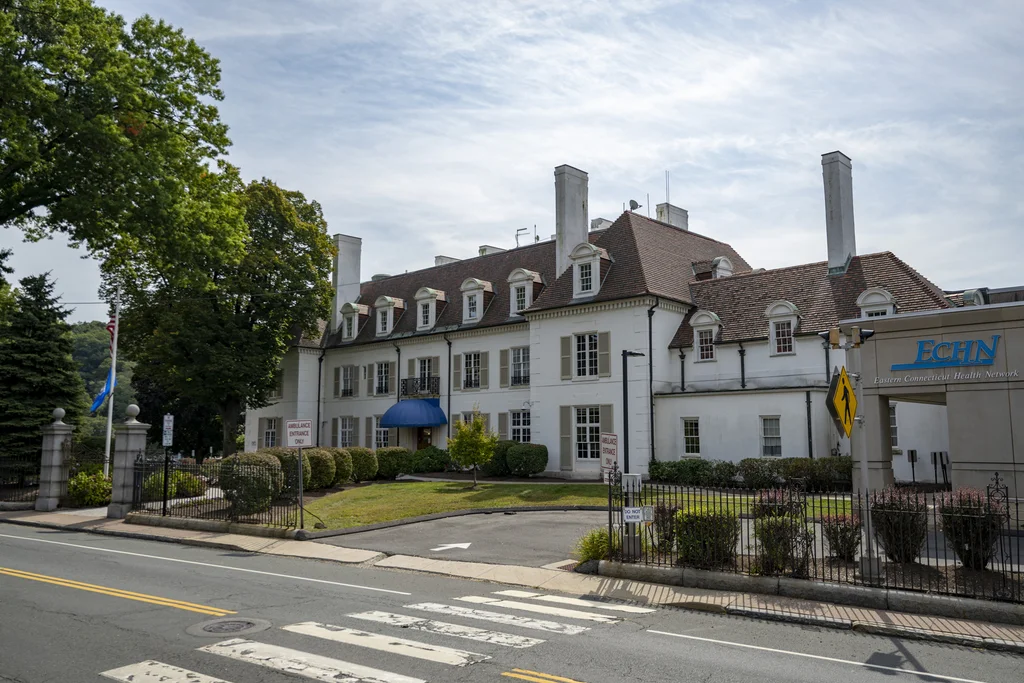
Marilyn Anthony, a dedicated nurse with nearly 25 years of service, witnessed firsthand the deterioration of patient care following the acquisition of Waterbury Hospital by a private equity-backed firm. What was once a nonprofit institution committed to community health became a profit-driven entity, prioritizing financial returns over patient welfare. Essential services were slashed, staff diminished, and the very language of care was altered; patients were rebranded as ‘customers,’ signifying a fatal shift in priorities.
This transition echoes across the healthcare landscape, where private equity firms often employ strategies that prioritize quick returns over long-term stability. The trend is alarming, with reports indicating that a staggering number of hospitals across America are facing similar fates. As Miami continues to expand its healthcare facilities, these practices raise critical questions about sustainability and community welfare.

Beyond Hospitals: A Broader Impact
The ramifications of private equity extend well beyond healthcare. Hartford’s municipal landscape, including local newspapers and educational institutions, has been similarly affected. The city’s experience is a stark reminder for Miami as it grapples with its own economic challenges. Local governance must be vigilant; as private equity firms acquire significant local assets, the potential for increased costs and reduced services looms large.
One illustrative example is a youth hockey league in Hartford, where parents are required to pay for streaming services to watch their children play—highlighting a concerning trend of commodifying community activities. This commodification also manifests in increased costs for essential services, as seen in the city’s fire truck procurement processes, which have become significantly more expensive due to private equity’s influence.
Legislative Response and Community Resilience
In response to these encroachments, Hartford’s lawmakers are beginning to take collective action. State Senator Saud Anwar recently articulated the need for legislative measures to safeguard community interests against the “cancer” of financial strip-mining. This proactive approach could serve as a blueprint for Miami, where communities must advocate for regulations that protect local services from being sacrificed on the altar of profitability.
The potential for creating a resilient community framework lies in collaboration between local governments, residents, and businesses. As Miami’s economy diversifies, leveraging lessons learned from Hartford could empower our city to forge policies that prioritize social responsibility and long-term investment over short-term gains.
Understanding the Private Equity Playbook
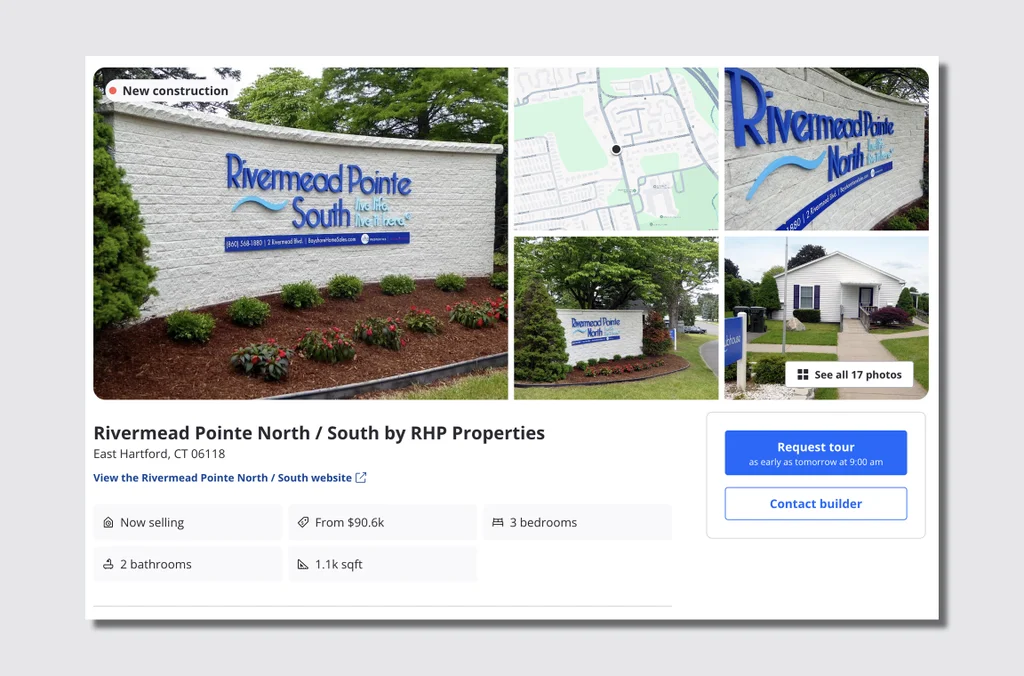
At the heart of private equity’s approach is a playbook characterized by practices that often prioritize immediate financial gains at the expense of operational integrity. Common strategies include sale-leaseback arrangements, where firms acquire companies, sell their real estate, and then lease it back—effectively stripping assets while burdening the company with debt.
As Miami continues to attract investment and development, understanding these tactics becomes crucial. Local businesses and policymakers must remain vigilant against such practices, ensuring that investments are directed toward enhancing community resources rather than extracting value for distant shareholders.
Lessons for Miami: A Call to Action
The narrative unfolding in Hartford serves as both a warning and an opportunity for Miami. As we navigate an increasingly complex financial landscape, it is imperative that we remain committed to fostering a vibrant community that prioritizes the needs of its residents over the whims of distant financial interests. By advocating for transparency, accountability, and ethical investment, Miami can position itself as a leader in sustainable development.
In conclusion, as cities like Hartford grapple with the realities of private equity, Miami has the opportunity to learn from these experiences. By prioritizing community welfare and engaging in proactive legislative measures, we can safeguard our city’s future and ensure that it thrives amidst the challenges of modern financial practices.




Editorial note: This article was created by A Bit Lavish Miami’s Magazine as an original editorial reinterpretation based on publicly available reporting. Original source: fastcompany.com. Read the original article here: https://www.fastcompany.com/91584345/the-vulture-capital-capital-inside-private-equitys-takeover-of-hartford-connecticut.
Images are used for editorial reference with source credit. If an image requires correction or removal, please contact A Bit Lavish.










Navigating the New Landscape of Home Affordability: A Deep Dive into Market Trends
Explore the evolving dynamics of home affordability in the U.S. housing market...
 2 Mins read

Rethinking Economic Narratives: The End of the K-Shaped Economy?
Treasury Secretary Scott Bessent declares the end of the K-shaped economy, but...
2 Mins read
Fantasy Baseball Trade Deadline Spurs Strategic Shifts in Bullpen Dynamics
The August 2026 trade deadline reshapes bullpen roles, impacting team strategies and...
1 Mins read



Jefry Yan Celebrations Mark a New Era in Major League Baseball
The global sports community recognizes Jefry Yan's achievements, highlighting the evolving landscape...
1 Mins read

Leave a comment