
Federal Court Blocks Trump’s $400 Million White House Ballroom Project
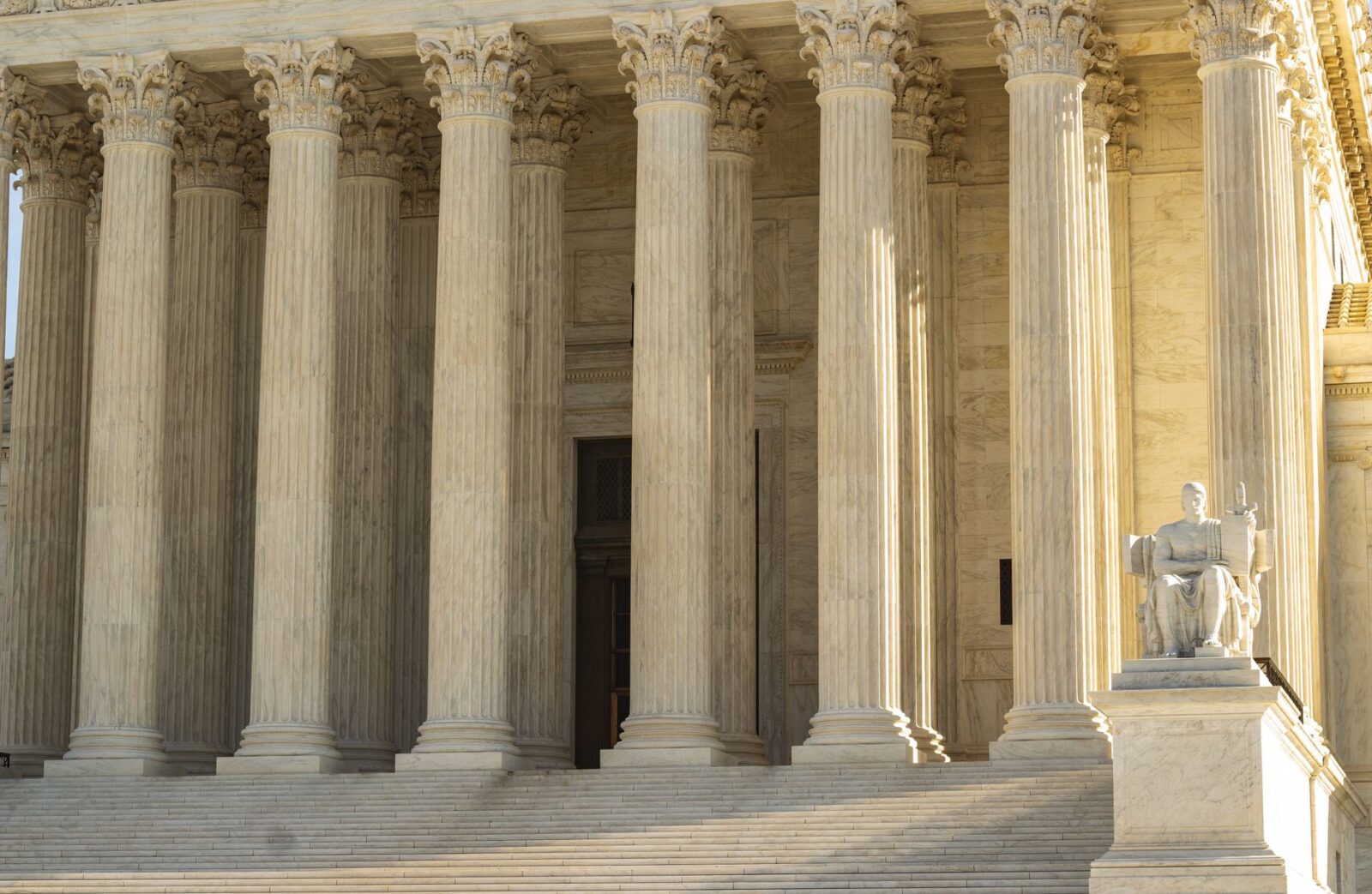
A federal court has issued a ruling that halts former President Donald Trump’s ambitious $400 million renovation project for the White House ballroom, citing legal concerns regarding property ownership and usage rights. This decision, announced on August 8, 2026, is significant not only for Trump but also for the ongoing dialogue about the intersection of private interests and public property.
The ruling stems from a lawsuit filed by the National Trust for Historic Preservation, which argued that the proposed renovations would compromise the historical integrity of the White House, a designated national landmark. The court’s decision emphasizes the importance of preserving historical sites and the legal frameworks that govern them, raising questions about Trump’s ownership claims and the implications for future renovations of federal properties.
This development matters now as it reflects the heightened scrutiny over Trump’s business dealings and the evolving landscape of property rights in the context of public assets. The case has attracted significant media attention, not only due to Trump’s ongoing political influence but also because it highlights broader issues related to the preservation of American history and culture.
Looking ahead, the ruling may lead to further legal battles over the project, with potential appeals anticipated from Trump’s legal team. Additionally, this case could set a precedent for how similar renovation projects are approached in the future, particularly those involving historically significant sites. Stakeholders in the real estate and preservation sectors will be closely monitoring the situation as it unfolds.
Source: USA Herald









Malmesbury Teen Faces 11 Charges in FBI-SAPS Child Pornography Investigation
The case highlights growing concerns over child exploitation and the international collaboration...
 1 Mins read
Tinubu’s Legal Team Moves to Block Release of Drug Trafficking Records in U.S. Court
The ongoing legal battle surrounding Nigerian President Tinubu's alleged drug trafficking ties...
1 Mins read

Oluwasegun Baiyewu Sentenced to 95 Months for $3.1 Million Fraud
Baiyewu's sentencing highlights ongoing global efforts to combat financial crimes and fraud.
1 Mins read



South Africa Submits ICJ Dossier on International Law Violations
South Africa's recent submission to the ICJ underscores its commitment to global...
1 Mins read
