
Senate Passes Comprehensive Sanctions Against Russia Following Late Senator’s Advocacy
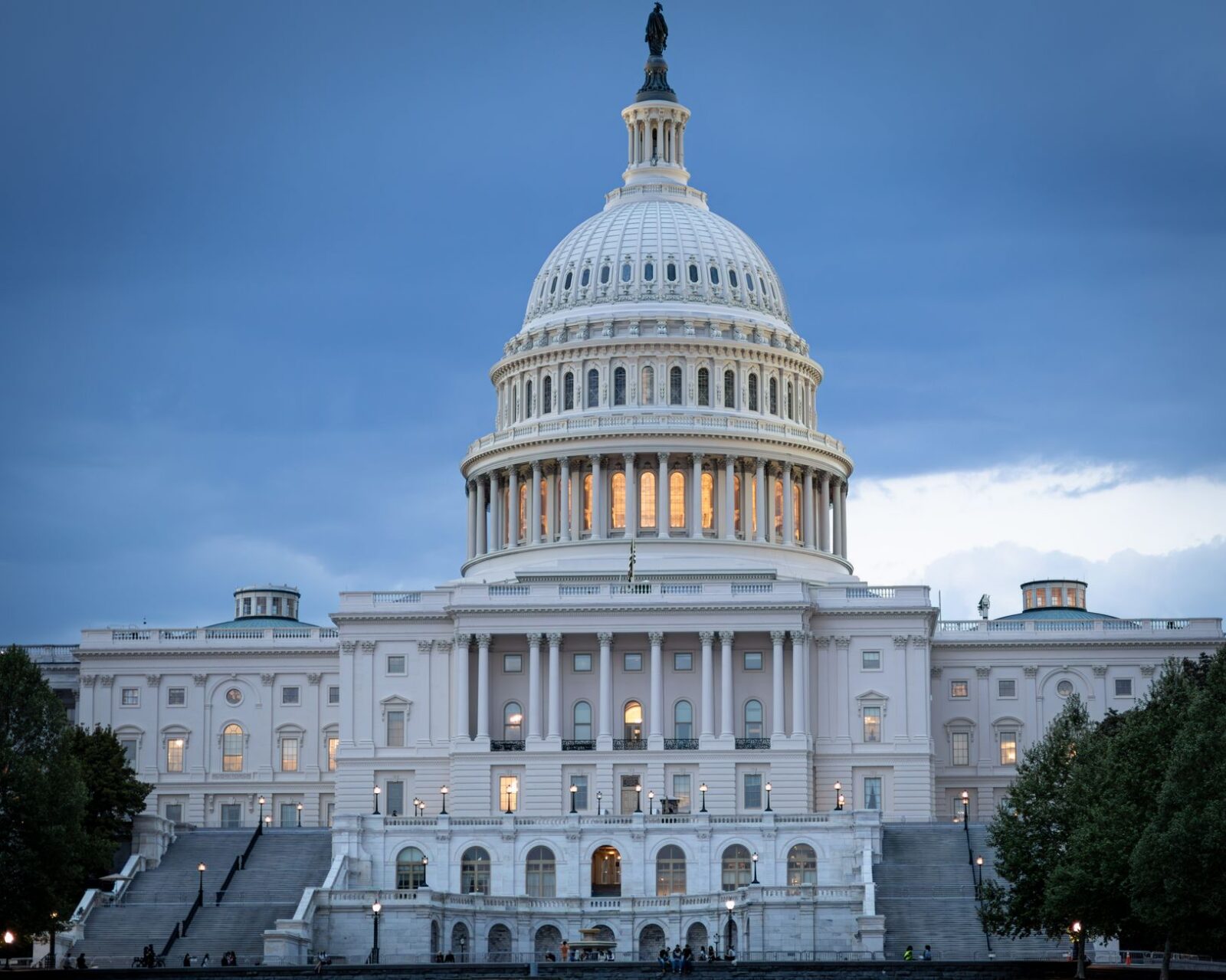
On August 8, 2026, the United States Senate approved a comprehensive sanctions package aimed at Russia, a move notably backed by the late Senator Lindsey Graham. This legislative action comes in the wake of increasing international pressure on Russia due to its aggressive military actions and human rights violations, particularly in Ukraine and against dissidents.
The sanctions package, which received bipartisan support, includes measures targeting key sectors of the Russian economy, including energy and finance, as well as specific individuals linked to the Kremlin. This decisive action follows a series of recent provocations by Russia, escalating tensions not only in Eastern Europe but also affecting global energy markets and security alliances.
This development is significant as it reflects a renewed commitment by U.S. lawmakers to hold Russia accountable for its actions. The sanctions are expected to further isolate Russia on the international stage and may lead to retaliatory measures from Moscow, potentially impacting U.S. businesses and European allies who rely on Russian energy. The timing of the bill’s passage underscores the urgency of addressing the ongoing threat posed by Russia amid a complex global landscape.
Looking ahead, the implementation of these sanctions will likely be closely monitored, with potential hearings scheduled to assess their effectiveness. Analysts predict that further escalation could occur if Russia responds aggressively, prompting additional sanctions or military support for Ukraine. The geopolitical ramifications of this legislation will be felt not only in Washington but across Europe and beyond, as nations grapple with the implications of a more assertive U.S. stance against Russian aggression.
Source: KRIS 6 News Corpus Christi






Malmesbury Teen Faces 11 Charges in FBI-SAPS Child Pornography Investigation
The case highlights growing concerns over child exploitation and the international collaboration...
 1 Mins read
Tinubu’s Legal Team Moves to Block Release of Drug Trafficking Records in U.S. Court
The ongoing legal battle surrounding Nigerian President Tinubu's alleged drug trafficking ties...
1 Mins read
Oluwasegun Baiyewu Sentenced to 95 Months for $3.1 Million Fraud
Baiyewu's sentencing highlights ongoing global efforts to combat financial crimes and fraud.
1 Mins read


South Africa Submits ICJ Dossier on International Law Violations
South Africa's recent submission to the ICJ underscores its commitment to global...
1 Mins read
