
Lawsuits Challenge New Foreign Student Visa Regulations Under Trump Administration
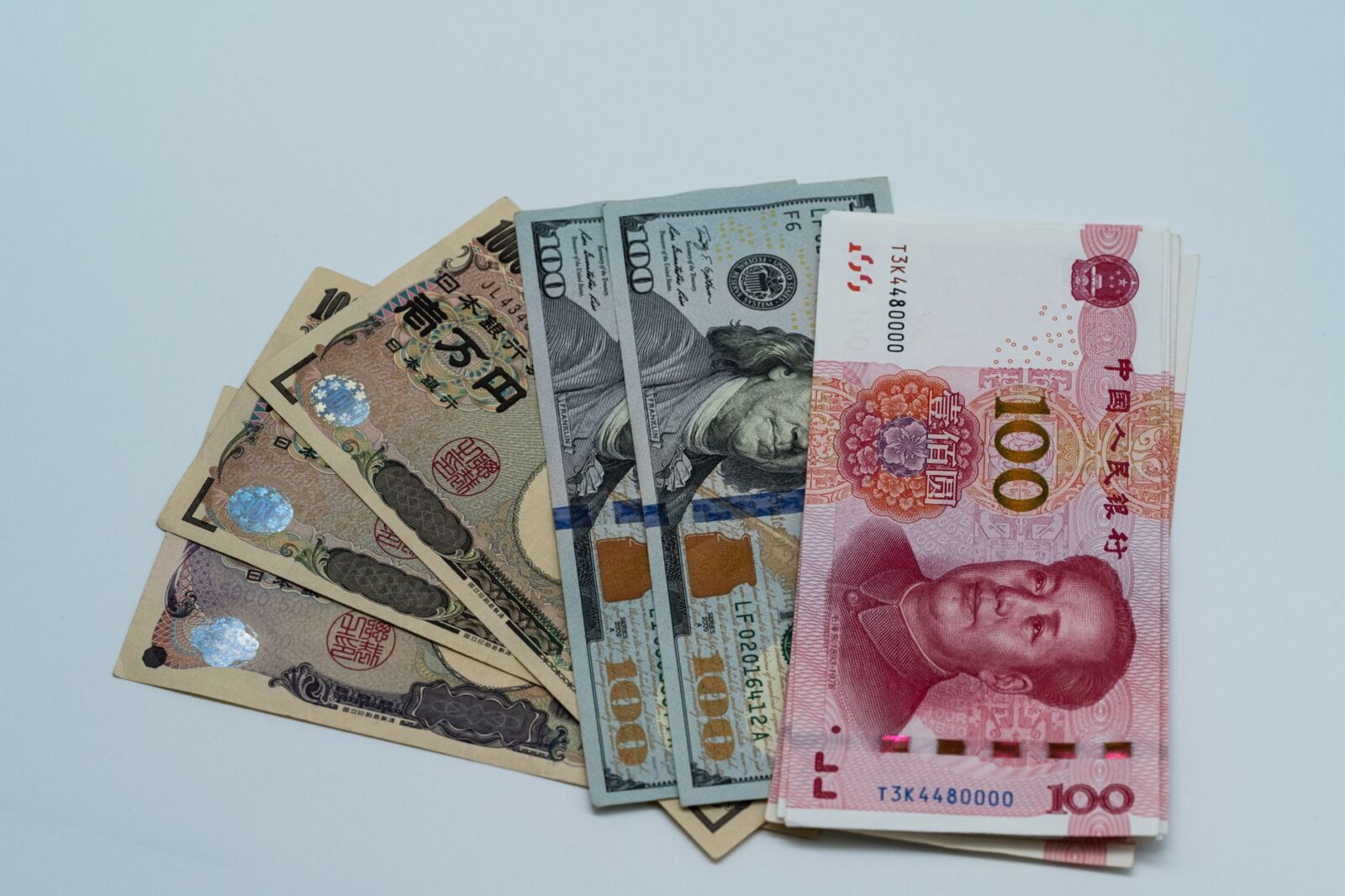
In a significant legal development, multiple advocacy groups have filed lawsuits against the Trump administration over its newly implemented foreign student visa regulations. Announced on August 18, 2026, these regulations impose stricter criteria on international students seeking to study in the United States, raising concerns about their potential impact on higher education institutions and the broader economy.
The lawsuits, spearheaded by organizations such as the American Council on Education and the National Immigration Law Center, argue that the new rules violate established legal precedents and threaten the enrollment of international students, who contribute approximately $45 billion annually to the U.S. economy. The plaintiffs assert that the regulations were enacted without adequate public consultation and could lead to a significant decline in the number of foreign students, particularly from countries like China and India.
This legal challenge emerges at a critical juncture, as educational institutions across the nation are grappling with the long-term effects of the COVID-19 pandemic on enrollment and funding. The timing of these lawsuits is crucial, as the new regulations come just as many universities are preparing for the fall semester, making the outcome of these cases potentially immediate and far-reaching.
The implications of this legal battle extend beyond the courtroom; they could redefine U.S. immigration policy regarding foreign students and influence international perceptions of the U.S. education system. If successful, these lawsuits may compel the administration to reconsider its approach to foreign student visas, potentially reinstating more favorable conditions for international students. As the legal proceedings unfold, stakeholders are closely monitoring developments, with hearings expected in the coming weeks that may determine the future of foreign student enrollment in the U.S.
Source: NPR








U.S. Military Media Outlets Face Scrutiny Amidst Pentagon Review
The Pentagon's reassessment of its media outlets prompts critical discussions about military...
 1 Mins read

Pentagon Investigates Two Oklahoma Schools for Potential Foreign Ties
This investigation raises critical concerns about national security and foreign influence in...
1 Mins read
Alaska Supreme Court Reviews Mat-Su School District Bathroom Policy
The Alaska Supreme Court's deliberation on a contentious bathroom policy underscores critical...
1 Mins read


Roberts Court’s Alleged Bias Raises Concerns Amid Trump Legal Battles
The Supreme Court's perceived alignment with Trump raises critical questions about judicial...
1 Mins read

Leave a comment