
Roberts Court’s Alleged Bias Raises Concerns Amid Trump Legal Battles

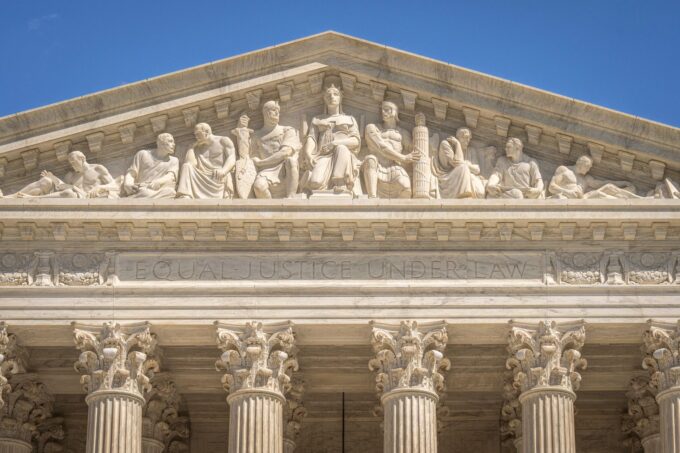
On August 19, 2026, allegations resurfaced regarding the Supreme Court’s perceived bias in favor of former President Donald Trump, particularly under Chief Justice John Roberts. This scrutiny comes as the Court prepares to hear significant cases that could impact Trump’s ongoing legal challenges, including potential indictments related to his business dealings and election conduct.
The current legal landscape is marked by Trump’s mounting legal issues, including multiple indictments and civil suits, which have raised questions about the judiciary’s role in political matters. Critics argue that the Roberts Court has shown a tendency to favor Trump-friendly outcomes, suggesting a troubling precedent for judicial impartiality. This viewpoint has gained traction among legal scholars and political commentators who warn that such bias undermines the foundational principles of justice and democracy.
This situation is particularly significant as the Court’s decisions could shape the political landscape heading into the 2028 presidential election. The implications extend beyond Trump, affecting public trust in the judiciary and the principle of checks and balances. As the nation grapples with these issues, the legitimacy of the judicial system hangs in the balance, prompting widespread concern among citizens and lawmakers alike.
Looking forward, the Supreme Court’s upcoming rulings on cases involving Trump will be closely monitored, with potential ramifications for both his legal fate and the Court’s public perception. Analysts predict that the Court’s decisions could either reinforce or challenge the notion of judicial impartiality, setting a critical precedent for future administrations.
Source: Alternet









Alaska Supreme Court Reviews Mat-Su School District Bathroom Policy
The Alaska Supreme Court's deliberation on a contentious bathroom policy underscores critical...
 1 Mins read

Federal Appeals Court Allows Planned Parenthood to Refer Indiana Abortion Patients Out-of-State
This ruling underscores the ongoing legal battles surrounding abortion access in the...
1 Mins read

Socialist Candidate Achieves Unexpected Victory in Florida Senate Primary
This surprising win in a traditionally conservative state signals potential shifts in...
1 Mins read



GOP Senate Candidates Showcase Experience Amid Voter Concerns
Voter interest in candidate backgrounds highlights the evolving priorities for the upcoming...
1 Mins read
Leave a comment