
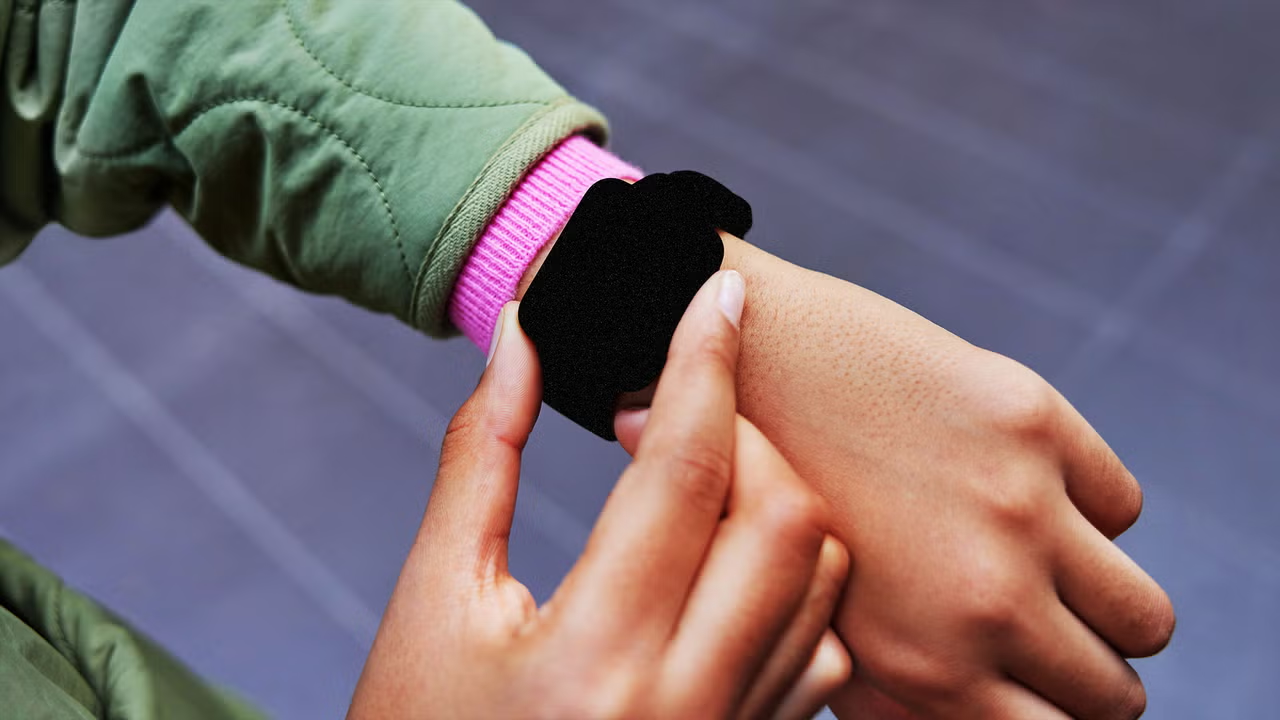
The Shifting Landscape of Technology Support
In an era where technology evolves at lightning speed, the lifespan of our gadgets often feels nebulous. For many users, particularly those on a budget, devices such as smartphones and smartwatches are utilized until they can no longer function. However, the expiration of software support for these devices introduces a new layer of complexity that can lead to potential vulnerabilities.
Understanding End-of-Life for Smartwatches
As major players in the smartwatch market—including Apple, Samsung, and Google—begin to scale back support for various models, consumers are faced with a pressing need to reassess their devices. Recent announcements indicate that several popular models will soon cease to receive essential updates, including security patches that protect users from emerging threats. This trend is not indicative of hardware failure; rather, it stems from predetermined support windows set by manufacturers at launch. Judson Dressler, head of the risk operations center at cyber risk firm Resilience, emphasizes that this strategic planning is often driven by the costs associated with maintaining older technology and the desire to incentivize new purchases.
Brand Strategies and Implications for Users
Apple’s approach to its smartwatch lifecycle demonstrates the brand’s commitment to innovation while navigating the complexities of consumer support. Devices released through the Series 5 are now deemed “vintage,” with the anticipated watchOS 27 update set to further restrict functionality for several models, including the Series 6 and Series 7. This decision raises critical questions about hardware compatibility and the value proposition for users who may feel compelled to upgrade sooner than expected.
Meanwhile, Samsung has taken a slightly different route. Owners of the Galaxy Watch 5 and Watch 5 Pro will continue to receive security updates, albeit with a limitation on new feature updates. This approach strikes a balance between maintaining customer loyalty and managing operational costs, reflecting a keen understanding of market dynamics.
Google’s Shorter Update Horizon
Google’s Pixel Watch 2 presents another example of brand strategy within the smartwatch market. With software support guaranteed for only a brief period, the disparity between the longevity of support for Pixel smartphones versus its watch highlights a significant shift in consumer expectations. While smartphone users enjoy up to seven years of support, smartwatch owners must navigate a much tighter timeframe, provoking discussions around the value of investment in wearable technology.
Protecting Your Data in a Vulnerable Ecosystem
For those who find themselves with a smartwatch nearing the end of its support life, adapting usage habits becomes critical. Experts recommend minimizing engagement in sensitive activities, such as contactless payments or tracking health metrics, to mitigate the risk of data breaches. The interconnected nature of smart devices also necessitates caution—an outdated smartwatch can inadvertently compromise home or office networks when paired with smartphones.
As Dressler cautions, an unmonitored device like an outdated smartwatch could serve as a gateway for hackers, potentially endangering a user’s broader digital ecosystem. Therefore, the onus is on consumers to remain vigilant and proactive in safeguarding their data.
Embracing Change: The Path Forward
As Miami emerges as a vibrant hub for technology and innovation, the implications of smartwatch obsolescence resonate strongly within the local landscape. Businesses in the tech sector must remain agile, adapting their strategies to align with evolving consumer needs and regulatory landscapes while safeguarding their reputations through robust cybersecurity measures.
For Miami residents and tech enthusiasts, the shifts in smartwatch support signal an opportunity to engage with the broader conversation around technology’s role in our lives. As we move forward, embracing innovation while remaining mindful of our digital security will be paramount in navigating the complexities of this ever-evolving market.
Editorial note: This article was created by A Bit Lavish Miami’s Magazine as an original editorial reinterpretation based on publicly available reporting. Original source: fastcompany.com. Read the original article here: https://www.fastcompany.com/91594921/your-smartwatch-could-soon-be-obsolete.
Images are used for editorial reference with source credit. If an image requires correction or removal, please contact A Bit Lavish.










Navigating the Shifting Sands of the Housing Market: A Deep Dive into Current Trends
Exploring the evolving landscape of the housing market, with a focus on...
 ABL3 Mins read
The Unfolding Narrative of Meta’s Smart Glasses: Innovation Amid Controversy
Explore the intricate relationship between Meta's smart glasses and the broader vision...
ABL3 Mins read

The Crypto Renaissance: What Bitcoin’s Resurgence Means for Investors
Explore the recent rally in cryptocurrency, its historical context, and what influential...
ABL3 Mins read



The Hidden Costs of Success: Escaping the Trophy Trap
Explore how the pursuit of success can sometimes lead to dissatisfaction, and...
ABL2 Mins read

Leave a comment