
Trump Announces Tariff Pause to Lower Beef Prices, Farmers Respond
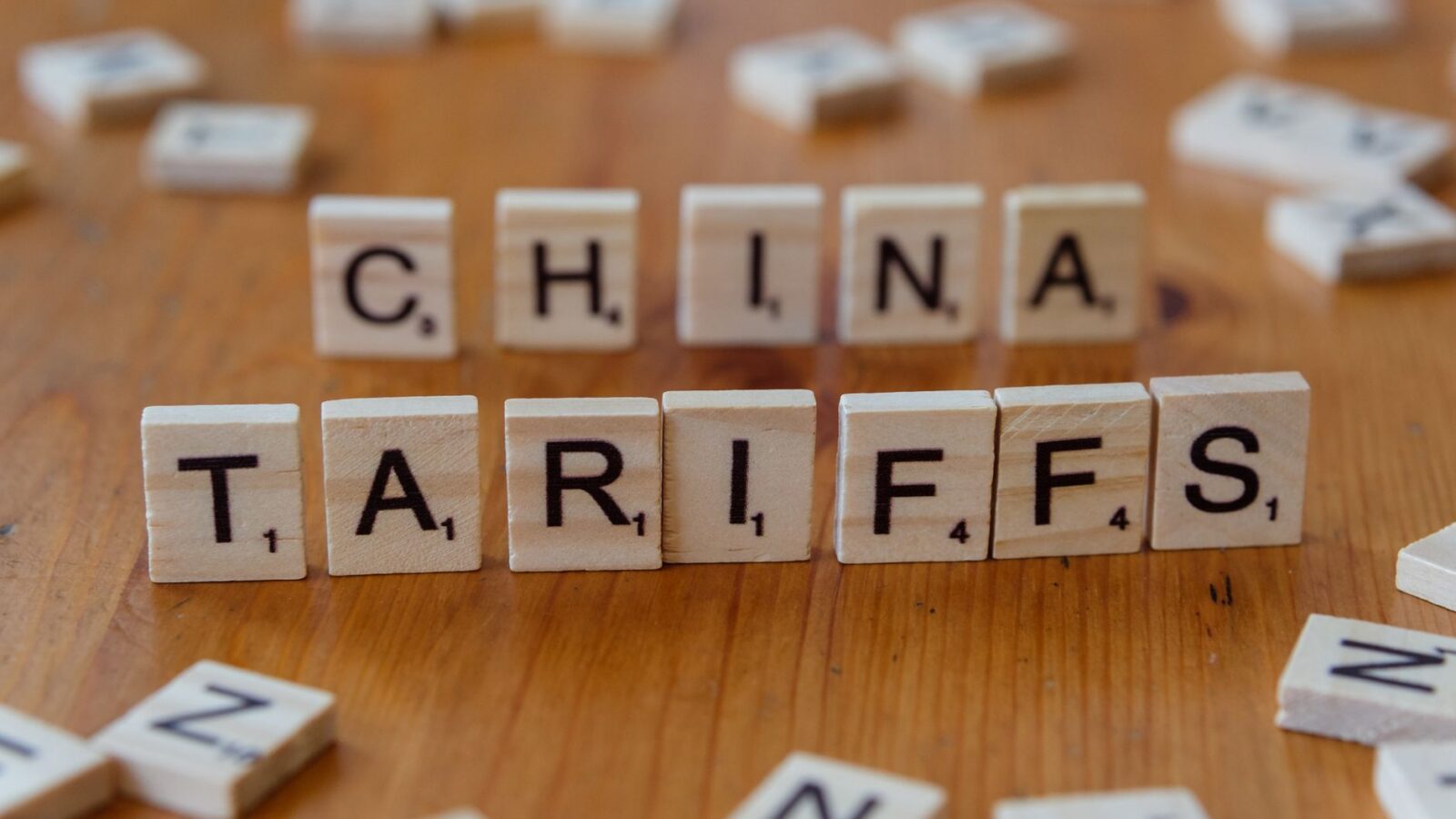
On August 25, 2026, former President Donald Trump announced a temporary pause on tariffs affecting beef imports, a move intended to reduce consumer prices in the meat market. This announcement comes at a time when beef prices have surged, prompting concern among consumers and prompting responses from local farmers.
The decision to pause tariffs has drawn immediate reactions from agricultural stakeholders across the United States, particularly in states heavily reliant on livestock farming. Farmers are divided; some welcome the potential for lower prices at the consumer level, while others fear that the tariff pause may undermine domestic beef prices and hurt local producers who are already grappling with rising production costs.
This development is significant as it underscores ongoing tensions in the agricultural sector, particularly regarding trade policies that influence market dynamics. With inflation still impacting consumer goods, the timing of this announcement has heightened its relevance, especially as the 2026 midterm elections approach, potentially affecting voter sentiment in rural areas.
Looking ahead, the implications of Trump’s tariff pause could lead to an increased dialogue around agricultural policy in the upcoming election cycle. Farmers and industry advocates may rally for more stable trade practices, while the focus on beef prices could prompt further legislative discussions aimed at supporting local agriculture in the face of global market pressures.
Source: Valley News Live









UN Calls for Immediate Regulations on Autonomous Weapons
The UN urges global leaders to establish regulations on autonomous weapons amid...
 1 Mins read

UN and Red Cross Urge Immediate Legislation Against Autonomous Weapons
Urgent calls for regulation of lethal autonomous weapons highlight global concerns over...
1 Mins read

India Responds to UN Rights Panel’s Criticism with Strong Rebuttal
India's firm rebuttal to UN allegations underscores its stance on sovereignty and...
1 Mins read



Slovenia Challenges EU’s Stance on Israel’s West Bank E1 Settlement Plan
Slovenia's position raises significant questions about EU unity on Middle Eastern policies...
1 Mins read

Leave a comment