
Supreme Court Ruling Reshapes Mail-In Voting Landscape for Arizona Voters
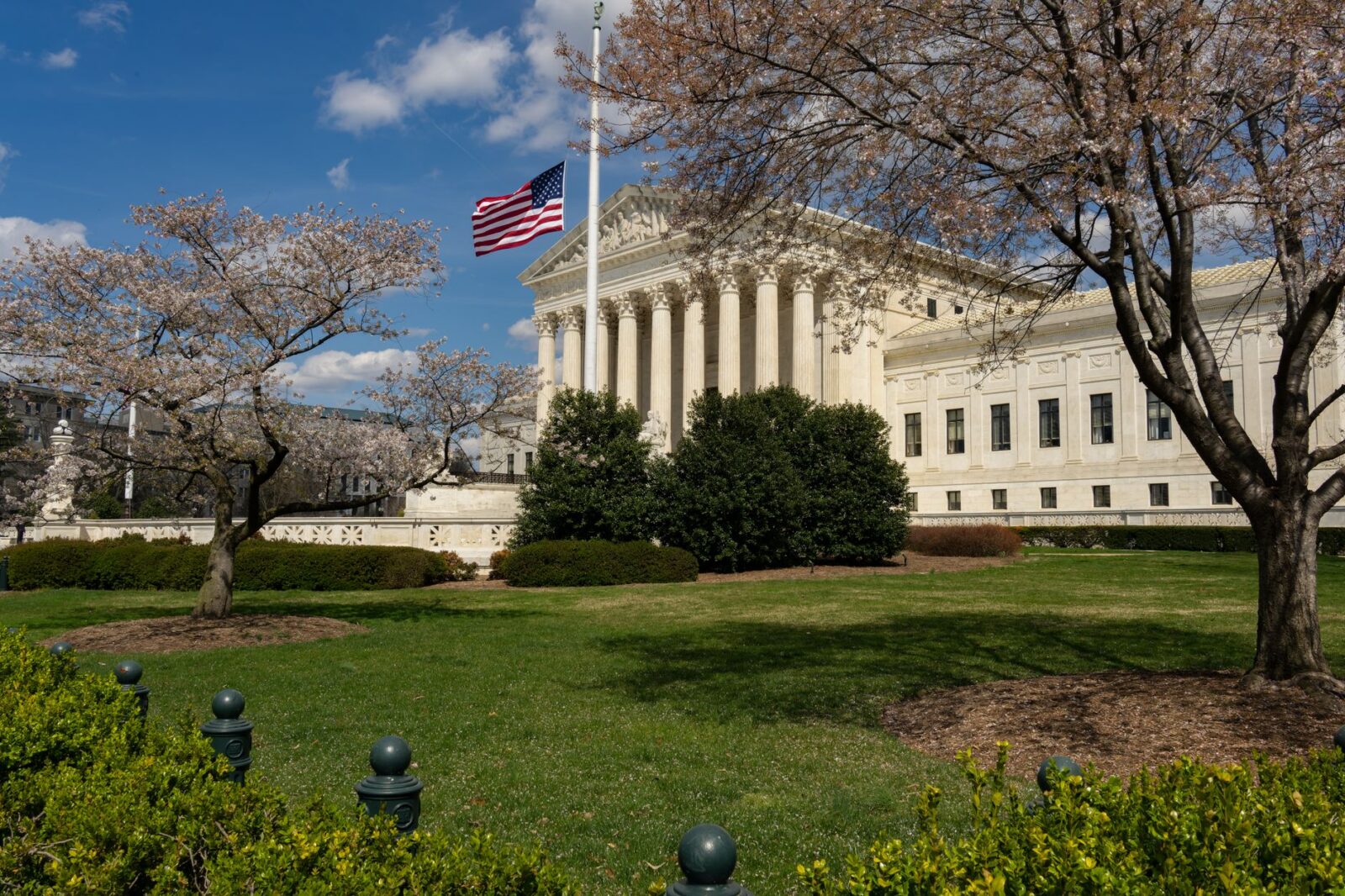
In a significant ruling on August 24, 2026, the U.S. Supreme Court upheld Arizona’s mail-in voting regulations, confirming the legality of certain restrictions that may affect the accessibility of ballots for voters. This decision comes at a time when mail-in voting remains a contentious issue in the United States, particularly as the country approaches pivotal elections in 2026.
The ruling, which stems from a challenge brought by various advocacy groups against the Arizona Secretary of State, focuses on the state’s requirement for voters to provide identification when requesting mail-in ballots. The court’s decision reinforces the state’s stance on maintaining electoral integrity while simultaneously raising concerns about potential disenfranchisement of voters who may struggle to meet these requirements.
This development is particularly relevant as it coincides with a renewed national discourse surrounding voting rights, especially following a series of legislative changes across several states aimed at tightening voting regulations. The Supreme Court’s ruling is expected to draw scrutiny from both sides of the political spectrum, with proponents arguing it protects against fraud, while opponents contend it imposes unnecessary barriers to voter participation.
Looking ahead, the implications of this ruling could reverberate beyond Arizona. Other states may look to this decision as a precedent for enacting or defending similar voting laws. Furthermore, advocacy groups are likely to mobilize in response, potentially leading to further legal challenges or legislative efforts to safeguard voting rights in the face of tightening regulations.
Source: 12News









UN Calls for Immediate Regulations on Autonomous Weapons
The UN urges global leaders to establish regulations on autonomous weapons amid...
 1 Mins read

UN and Red Cross Urge Immediate Legislation Against Autonomous Weapons
Urgent calls for regulation of lethal autonomous weapons highlight global concerns over...
1 Mins read

India Responds to UN Rights Panel’s Criticism with Strong Rebuttal
India's firm rebuttal to UN allegations underscores its stance on sovereignty and...
1 Mins read



Slovenia Challenges EU’s Stance on Israel’s West Bank E1 Settlement Plan
Slovenia's position raises significant questions about EU unity on Middle Eastern policies...
1 Mins read

Leave a comment