
U.S. Second Quarter GDP Growth Holds Steady at 1.5% in Revised Estimates
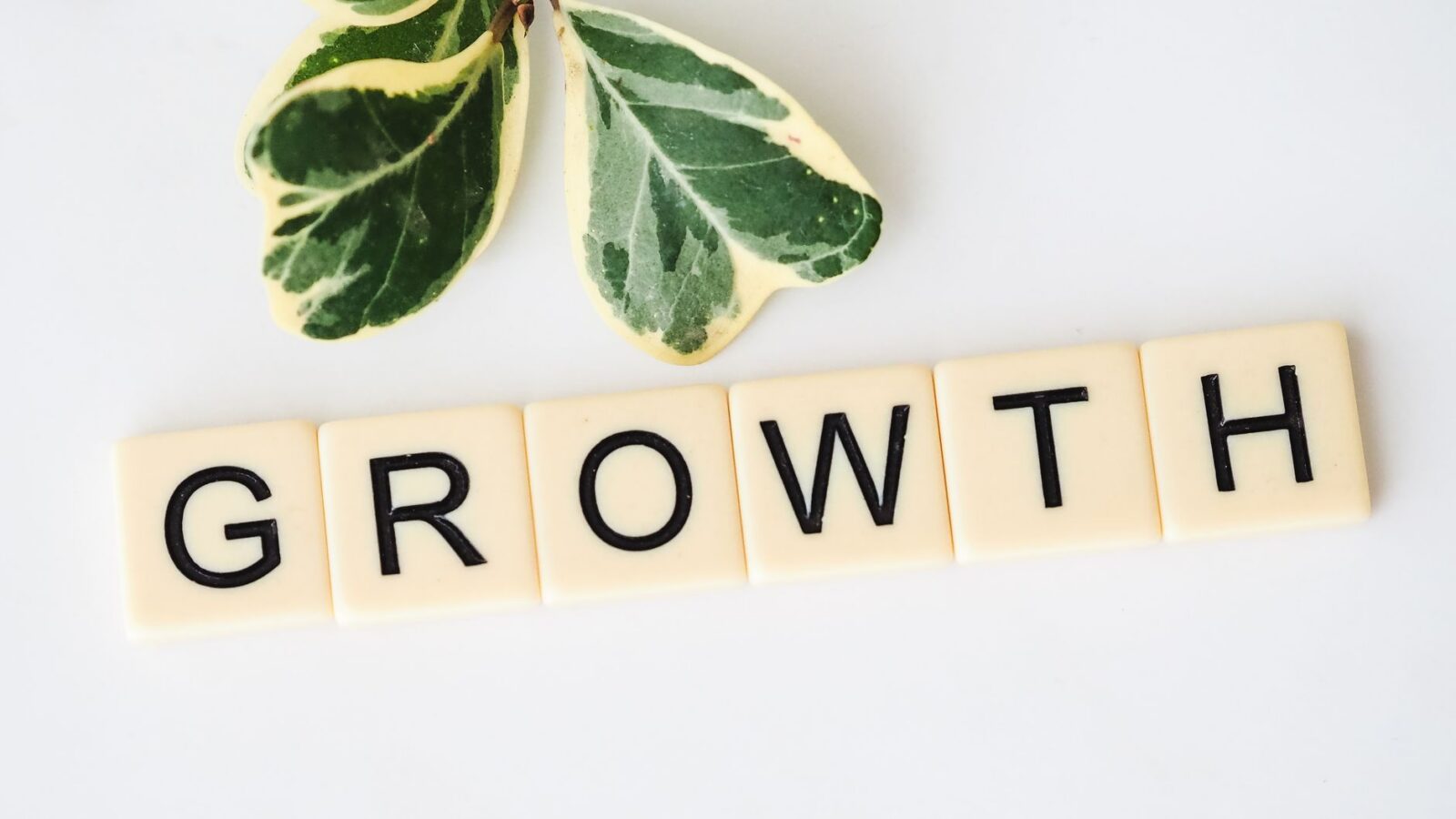
The U.S. Bureau of Economic Analysis (BEA) has confirmed that the nation’s Gross Domestic Product (GDP) growth for the second quarter of 2026 remains unchanged at 1.5%, as reported in its second estimate released today, August 26, 2026. This figure reflects a continuation of sluggish economic performance amid persistent inflation concerns and geopolitical uncertainties affecting trade and consumer spending.
This assessment is particularly significant as it comes at a time when the Federal Reserve’s monetary policy decisions are under intense scrutiny. Key players involved include the BEA, which compiles and analyzes economic data, and the Federal Reserve, which may need to consider this stagnation in growth in its upcoming policy meetings. The GDP figures are critical for policymakers as they navigate the balance between curbing inflation and supporting economic recovery.
The current economic climate is marked by rising costs of living and supply chain disruptions, which have contributed to a lack of robust growth. The unchanged GDP figure highlights the challenges facing the U.S. economy, particularly as global markets react to tightening monetary policies and heightened economic tensions. Investors and market analysts are closely monitoring these developments, as they could influence the Fed’s decisions on interest rates in the coming months.
Looking ahead, the implications of this stagnant growth could lead to further discussions within the Federal Reserve regarding interest rate adjustments. Analysts predict that continued economic pressures may prompt a reassessment of fiscal strategies, potentially impacting consumer confidence and investment in the latter half of 2026. As the economy grapples with these challenges, stakeholders will be keenly observing how the Fed responds to these persistent economic signals.
Source: WSJ






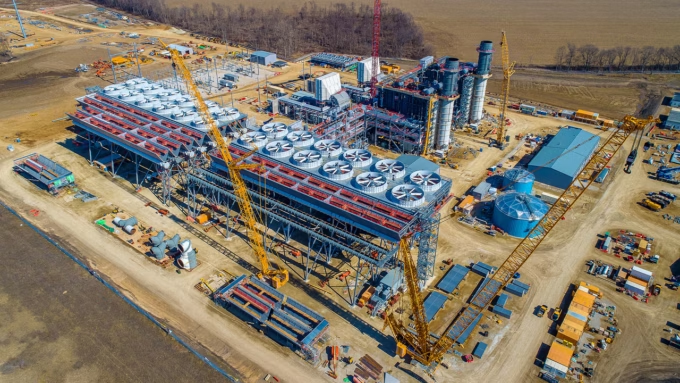
The Gas Renaissance: U.S. Data Centers Drive a New Era of Energy Development
Explore how America's data center surge is reshaping the gas power landscape,...
 ABL2 Mins read

Mastering the Art of Inquisitive Engagement: Elevating Conversations in Miami’s Boardrooms
Explore how to transform your meeting dynamics by asking impactful questions that...
ABL3 Mins read

US Economy Grows at 1.5% in Second Quarter, Confirming Earlier Estimates
The US economy's growth rate of 1.5% in Q2 underscores ongoing challenges...
 1 Mins read


Division Within the Federal Reserve: Four Councils Advocate for Interest Rate Increase
The Federal Reserve faces renewed pressure for an interest rate hike as...
1 Mins read

Leave a comment