
US Economy Grows at 1.5% in Second Quarter, Confirming Earlier Estimates

The US economy expanded at a sluggish rate of 1.5% during the second quarter of 2026, a figure that aligns with previous estimates released by the Commerce Department. This growth rate, while a sign of continued expansion, reflects persistent challenges within the economic landscape, including elevated inflation and declining consumer confidence.
The data, released on August 26, 2026, indicates that the economy is grappling with headwinds stemming from higher interest rates set by the Federal Reserve in response to inflationary pressures. The central bank’s decisions to raise rates have aimed at curbing inflation that has remained above target levels, yet these measures have also contributed to a slowdown in economic activity.
Key stakeholders involved in this economic assessment include the Federal Reserve, which has been under scrutiny for its monetary policies, and various sectors of the economy affected by rising costs. Analysts are watching closely as the implications of this growth rate could influence future monetary policy, with potential adjustments in the Fed’s strategy to counterbalance inflation while encouraging growth.
This development matters significantly on both national and global scales, as sustained low growth could impact investment decisions and consumer spending patterns, leading to a ripple effect in international markets. Looking ahead, investors and policymakers will be keenly observing upcoming Federal Reserve meetings and economic indicators to gauge the trajectory of the US economy, with the potential for revised forecasts depending on inflation trends and consumer behavior.
Source: Enidnews.com








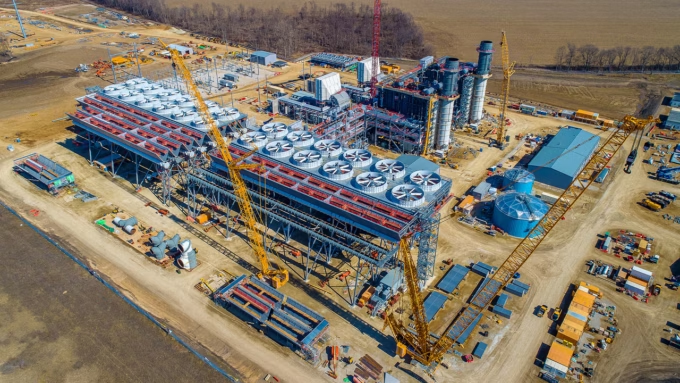
The Gas Renaissance: U.S. Data Centers Drive a New Era of Energy Development
Explore how America's data center surge is reshaping the gas power landscape,...
 ABL2 Mins read

Mastering the Art of Inquisitive Engagement: Elevating Conversations in Miami’s Boardrooms
Explore how to transform your meeting dynamics by asking impactful questions that...
ABL3 Mins read
U.S. Second Quarter GDP Growth Holds Steady at 1.5% in Revised Estimates
The confirmation of 1.5% GDP growth underscores ongoing economic challenges and inflationary...
 1 Mins read


Division Within the Federal Reserve: Four Councils Advocate for Interest Rate Increase
The Federal Reserve faces renewed pressure for an interest rate hike as...
1 Mins read

Leave a comment