
Supreme Court Rules in Favor of Circar Paper Mills in Landmark Case
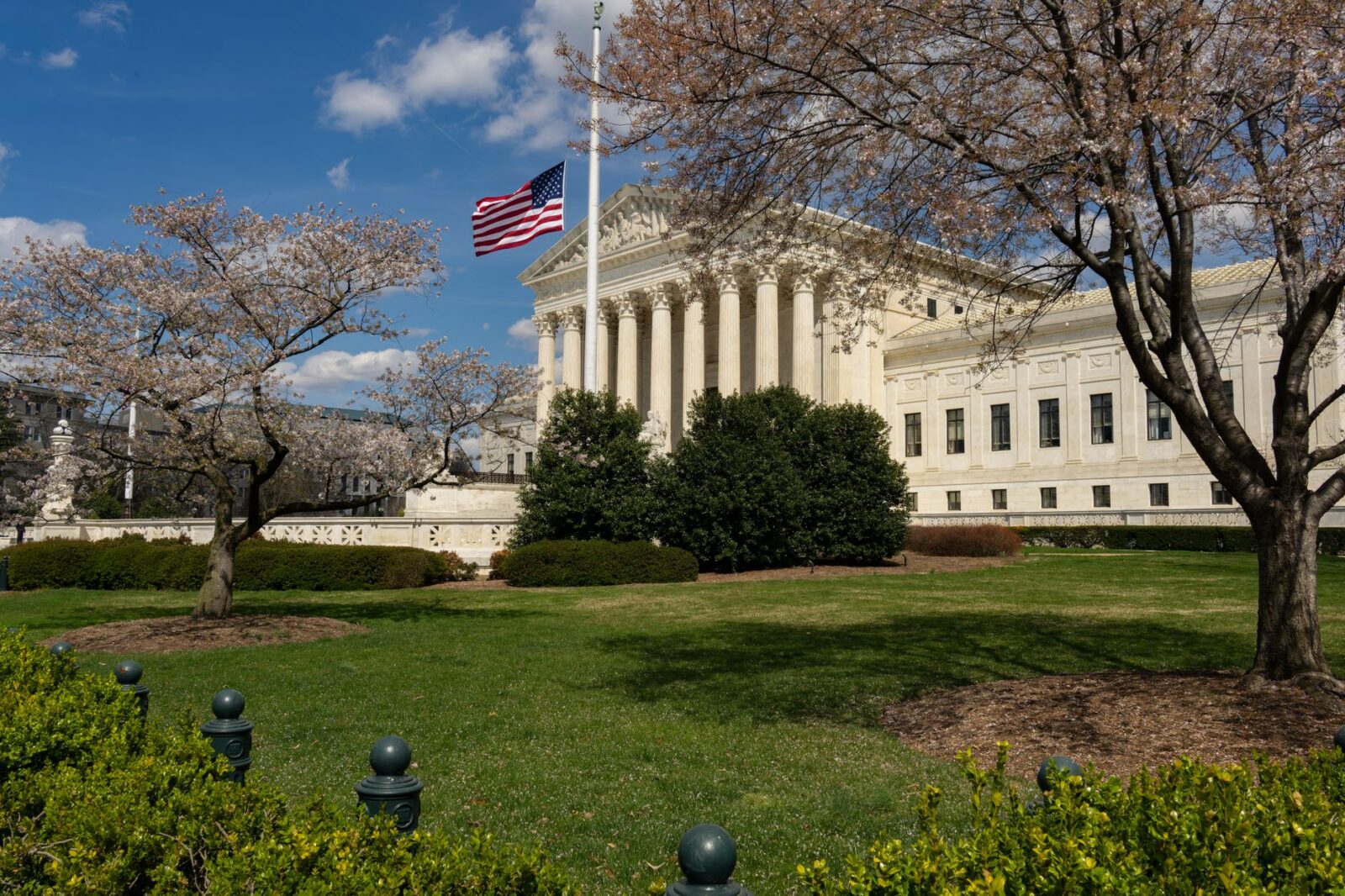
On August 29, 2026, the Supreme Court of India issued a significant ruling in the case of M/s Circar Paper Mills Ltd. v. District Collector, Nellore Distt. & Ors., determining that the paper mill’s operations were compliant with existing environmental regulations. This decision is crucial as it directly affects the regulatory landscape for industrial operations in India, particularly in relation to environmental compliance.
The case emerged from a dispute involving the District Collector of Nellore, who had previously imposed restrictions on Circar Paper Mills, citing alleged environmental violations. The ruling confirms that Circar Paper Mills, a key player in India’s paper manufacturing sector, adhered to the required environmental standards, thereby allowing them to continue their operations without further interference from local regulatory bodies.
This ruling is receiving heightened attention due to its implications for industrial compliance and environmental law, illustrating the ongoing tensions between industrial growth and environmental protection. The decision underscores the Supreme Court’s role in balancing these interests, which is especially relevant as global industries increasingly face scrutiny over their environmental impact.
Moving forward, this ruling may set a precedent for similar cases across India, potentially influencing how local governments regulate industries in relation to environmental standards. Stakeholders, including environmental activists and industrialists, will be closely monitoring future developments, particularly any appeals or further clarifications from the Supreme Court that could redefine regulatory practices in the country.
Source: Live Law








Trump Administration’s DHS Under Scrutiny for Surveillance of Journalists and Non-Profits
The Trump Administration's controversial surveillance practices raise significant concerns over press freedom...
 1 Mins read

Trump Administration Under Fire for Secretly Seizing Citizens’ Private Records Without Judicial Oversight
The Trump administration's actions raise urgent questions about civil liberties and governmental...
1 Mins read

FBI Eases Hiring Rules for Applicants with Past Prostitution Encounters
This significant policy shift could reshape recruitment practices and diversity within federal...
1 Mins read



NSA and FBI Confirm Ongoing Threat from Chinese Hackers Targeting U.S. Critical Infrastructure
U.S. agencies warn of active cyber threats from Chinese hackers, highlighting vulnerabilities...
1 Mins read
Leave a comment