
Bombay High Court Criticizes Drug Regulatory Body for Cipla License Revocation
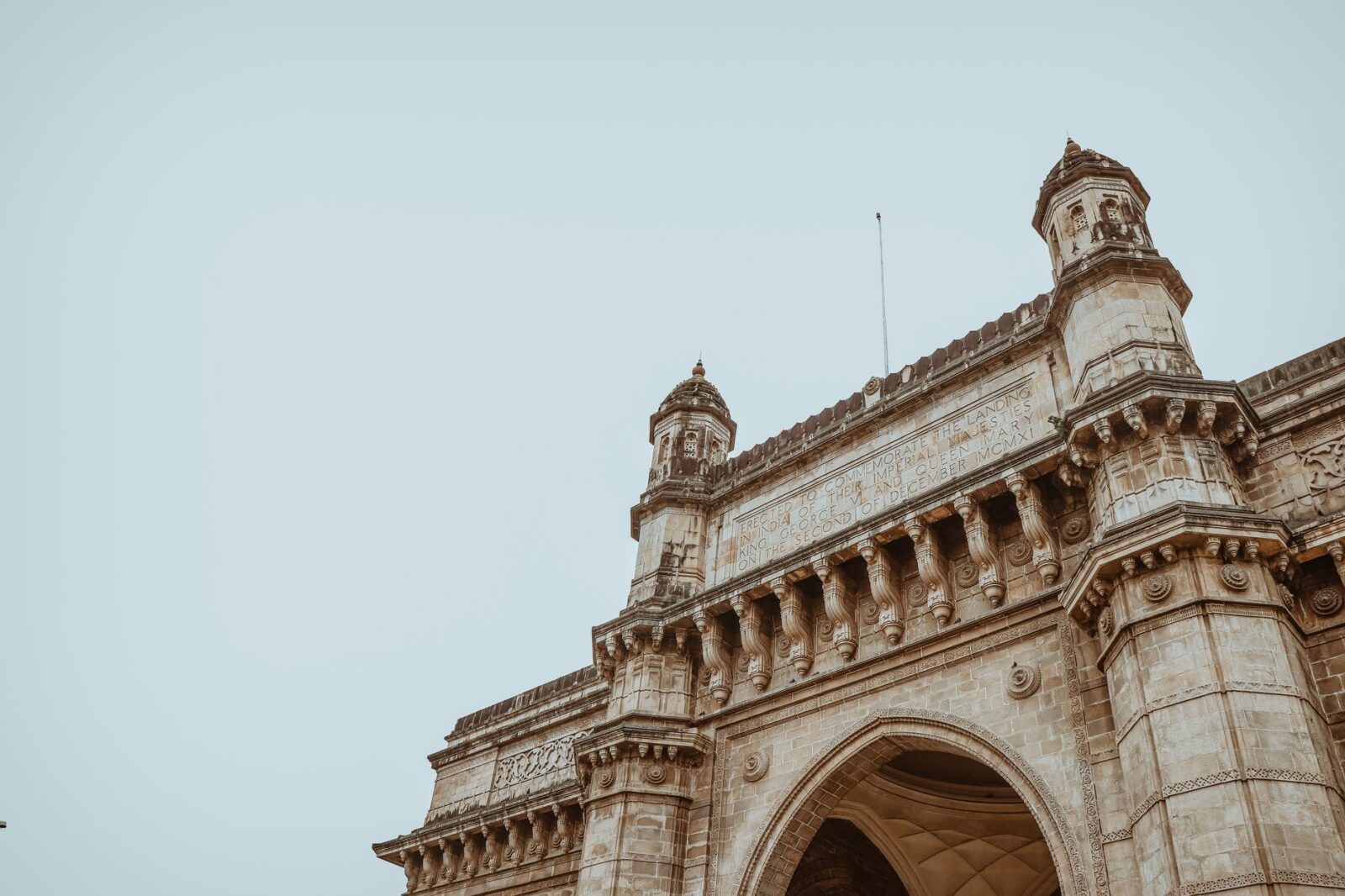
On August 29, 2026, the Bombay High Court expressed strong disapproval of the Central Drugs Standard Control Organization (CDSCO) regarding its recent cancellation of a license held by the pharmaceutical company Cipla. This court ruling is pivotal as it underscores the ongoing tensions between regulatory bodies and pharmaceutical entities in India, particularly concerning the approval processes for life-saving medications.
The CDSCO’s decision to revoke Cipla’s license was ostensibly based on alleged non-compliance with manufacturing standards. However, the High Court questioned the transparency and thoroughness of the regulatory process, suggesting that the actions taken against Cipla could adversely affect the availability of essential medicines in the market. Cipla, a prominent player in India’s pharmaceutical sector, has been instrumental in producing affordable drugs, especially for chronic conditions such as diabetes and cardiovascular diseases.
This development is particularly significant as it comes at a time when India is grappling with healthcare supply chain challenges exacerbated by the ongoing global health crisis. The High Court’s intervention not only raises concerns about regulatory practices but also highlights the need for a balanced approach that ensures both compliance and public health safety. As Cipla’s license status remains uncertain, the implications for drug availability and pricing could resonate beyond national borders, affecting global pharmaceutical markets.
Looking ahead, the Bombay High Court has called for a review of the CDSCO’s actions, which may lead to a reinstatement of Cipla’s license or a reevaluation of the regulatory framework governing pharmaceutical approvals in India. Stakeholders in the healthcare sector are closely monitoring these developments, as the outcome could redefine the operational landscape for pharmaceutical companies operating in the region.
Source: The Indian Express






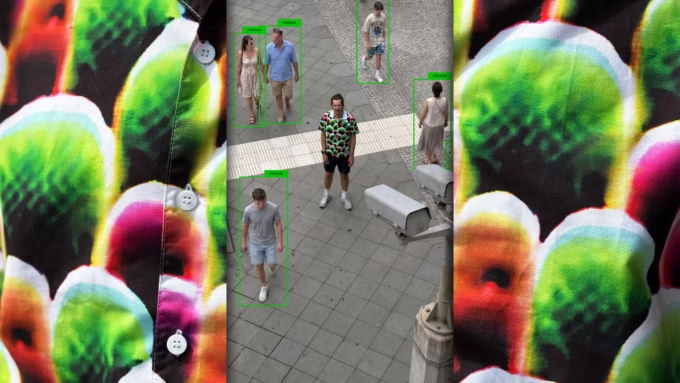
A New Wave of Disruption: The Digital Camouflage Shirt and the Future of Adversarial Fashion
Explore how Simon Weckert's Digital Camouflage shirt challenges AI surveillance systems and...
 2 Mins read
Navigating the AI Landscape: Understanding Proprietary, Open Weight, and Open Source Models
Explore the distinctions between proprietary, open weight, and open source AI models,...
3 Mins read
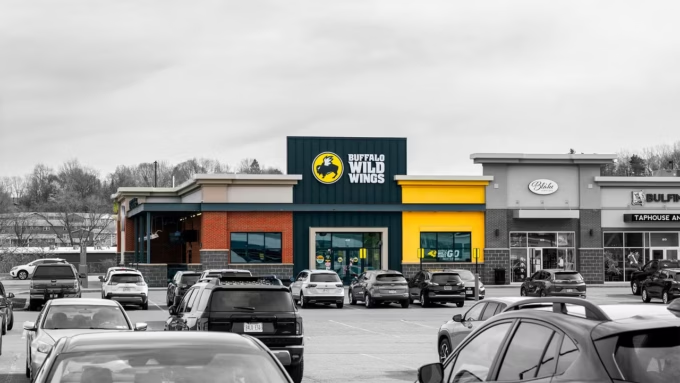
Buffalo Wild Wings: A Strategic Shift Amidst Restaurant Closures
Explore how Buffalo Wild Wings is redefining its strategy with a series...
2 Mins read



A Disruption in the Fairway: Analyzing the Good Good and Callaway Golf Controversy
Explore the recent fallout between Good Good and Callaway Golf, and what...
3 Mins read

Leave a comment