
Reclaiming Narratives: An Artistic Response to Colonial Legacies

A Cultural Renaissance
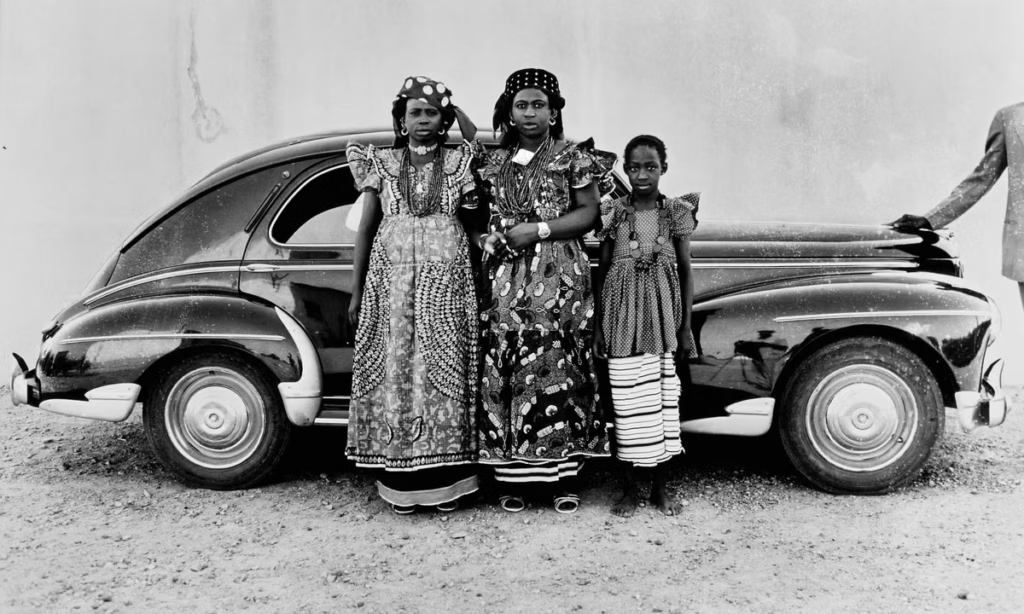
In recent years, the discourse surrounding the restitution of African art has gained momentum, prompting a reassessment of the complex legacies of colonialism. This evolving narrative is not merely about the return of artifacts but involves a deeper exploration of the stories that these pieces tell, their significance within the cultural fabric of Africa, and the ongoing impact of their absence. An enlightening collection of essays sheds light on how contemporary artists and filmmakers engage with these themes, offering a nuanced perspective that challenges conventional understandings.
Art as Resistance
The collection features a diverse array of voices, each contributing to a rich tapestry of artistic expression that addresses the colonial encounter. Artists are not just reclaiming their heritage; they are actively reshaping it. Through various mediums, from painting to film, they confront the historical narratives that have long marginalized African perspectives. This artistic resistance serves as a powerful means of reclaiming identity and agency, allowing for a dialogue that spans generations.
Provenance and the Weight of History
Understanding the provenance of African artworks is crucial to grasping their significance in both historical and contemporary contexts. Each piece carries with it a unique story, embedded within the socio-political landscapes from which it originates. The essays delve into the intricate histories of these works, examining how they were acquired and the implications of their removal from their native contexts. This exploration not only highlights the material value of these artifacts but also emphasizes their role as vessels of cultural memory.

The Intersection of Art and Activism
Many contributors to the collection are not only artists but also activists, using their platforms to advocate for restitution and cultural awareness. Their works often bridge the gap between art and social justice, prompting audiences to reflect on the ongoing repercussions of colonialism. Through film, installations, and public art, these creators are fostering a greater understanding of the need for reconciliation and the restoration of cultural heritage.
Market Dynamics and Collector Psychology
As the art market increasingly acknowledges the significance of provenance, collectors are becoming more discerning about the stories behind the works they acquire. The essays illuminate how the demand for ethically sourced art is reshaping market dynamics, with collectors now seeking pieces that resonate with their values. This shift not only impacts pricing but also fosters a new wave of appreciation for African art, recognizing its importance beyond mere aesthetics.
A Vision for the Future
The collection ultimately serves as a call to action, inviting readers to engage with the ongoing conversation surrounding African art and its colonial past. It challenges us to consider the future of cultural institutions and the responsibilities they hold in fostering inclusive narratives. By amplifying the voices of artists and filmmakers who are redefining these stories, we are reminded that the legacy of art is not fixed but is continuously being rewritten.
Conclusion
In the context of Miami’s dynamic art scene, where cultural diversity thrives, the themes explored in this essay collection resonate deeply. As collectors and enthusiasts alike seek to understand the stories behind the works they admire, the intersection of art and history becomes increasingly significant. This collection not only enriches our understanding of African art but also encourages a collective journey towards healing and restitution.
Editorial note: This article was created by A Bit Lavish Miami’s Magazine as an original editorial reinterpretation based on publicly available reporting. Original source: theartnewspaper.com. Read the original article here: https://www.theartnewspaper.com/2026/08/31/dismantling-the-wests-temples-of-plundered-african-artworksessay-collection-reassesses-the-colonial-encounter.
Images are used for editorial reference with source credit. If an image requires correction or removal, please contact A Bit Lavish.




Echoes of Transformation: The Rise of Hong Kong’s Art Scene in the 1980s and 1990s
Explore the evolution of Hong Kong's vibrant art scene through the lens...
 2 Mins read
The Daring Heist: A Jewel of Ancient Egypt Vanishes in Vienna
A daring daytime robbery at the Museum of Applied Arts sees a...
3 Mins read

Yayoi Kusama: The Journey of an Artistic Luminary
Explore the captivating journey of Yayoi Kusama, from her early struggles to...
2 Mins read


The Resurgence of Guatemala’s Artistic Heart: A Journey Through the Museo de Arte Colonial
Exploring the reopening of the Museo de Arte Colonial in Antigua, Guatemala,...
2 Mins read

Leave a comment