
Legacy of Controversy: The Simonian Case and Its Implications for the Art World

Whispers of a Legacy
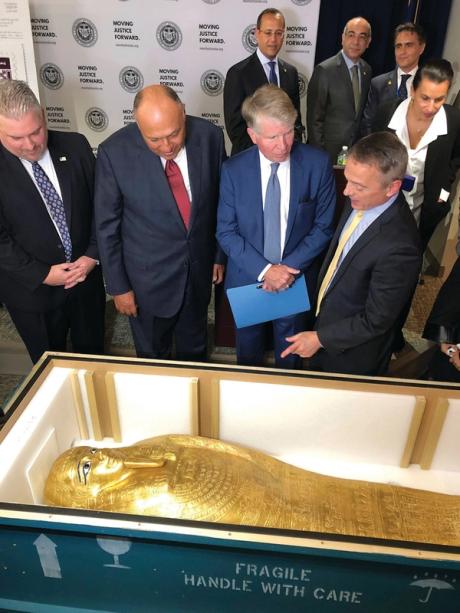
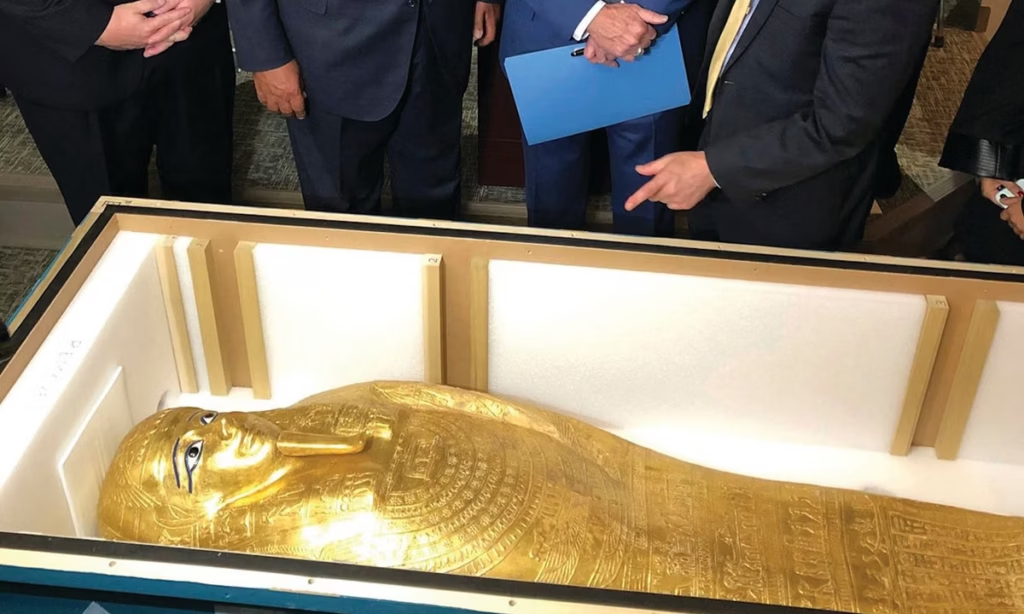
In the intricate world of art and antiquities, few stories resonate as deeply as that of Serop Simonian. His name has surfaced amid allegations of smuggling and illicit dealings, casting a shadow over a legacy that once thrived on the allure of rare artifacts. Recent developments in Germany have further complicated this narrative, as a Hamburg court has ruled against Simonian’s children, convicting them of money laundering related to the proceeds of their father’s alleged crimes. This case invites us to examine the broader implications of provenance, collector psychology, and the ethical considerations surrounding art acquisitions.
Legal Repercussions and Market Ramifications
The Hamburg court ordered the confiscation of a staggering €32 million in sales proceeds, marking a significant legal victory for authorities combating art-related crime. The Simonian case highlights the fragile intersection between wealth, art, and legality, raising critical questions for collectors and investors alike. As the children prepare to appeal their convictions, the art market watches closely, aware that the ramifications of this case could extend far beyond the courtroom.
Provenance in a Changing Landscape
Provenance, the history of ownership of a piece of art, has never been more crucial in today’s market. Collectors are increasingly aware that a piece’s value is not solely derived from its aesthetic appeal but also from its ethical and historical context. The Simonian saga underscores the dangers of acquiring works without thorough provenance checks. Faced with the fallout from this case, collectors are reminded that the art world is not just a realm of beauty but also a complex terrain fraught with ethical dilemmas.
Collector Psychology: Navigating Risk and Reward
The psychology of collecting is often intertwined with notions of prestige and investment potential. In light of the Simonian case, collectors may find themselves grappling with the duality of their passion—balancing the thrill of acquisition with the necessity of due diligence. The allure of rare antiquities can cloud judgment, leading some to overlook potential legal pitfalls. As the market evolves, the imperative for transparency grows stronger, compelling collectors to seek out artworks with verified histories.
Art as an Investment: The Shifting Paradigm
In recent years, the art market has seen a dramatic shift toward viewing artworks as financial assets. This evolution has attracted a new wave of investors, many of whom lack a deep understanding of the historical and cultural significance of the pieces they purchase. The Simonian case serves as a cautionary tale, reminding the market that the value of art transcends monetary worth. It is a call for investors to engage with the narratives behind their acquisitions, fostering a more responsible and informed approach to collecting.
Miami’s Role in the Global Art Scene
As Miami continues to solidify its status as a vibrant hub for art and culture, the implications of cases like the Simonian family’s cannot be overlooked. The city, known for its Art Basel fair and a burgeoning gallery scene, attracts collectors from around the globe. With its mix of emerging artists and established names, Miami presents a unique opportunity for collectors to engage with art responsibly. The lessons learned from the Simonian case can resonate here, urging Miami’s collectors to champion transparency and provenance in their pursuits.
Editorial note: This article was created by A Bit Lavish Miami’s Magazine as an original editorial reinterpretation based on publicly available reporting. Original source: theartnewspaper.com. Read the original article here: https://www.theartnewspaper.com/2026/08/31/alleged-antiquities-smuggler-serop-simonian-children-convicted-hamburg-court.
Images are used for editorial reference with source credit. If an image requires correction or removal, please contact A Bit Lavish.







The End of an Era: Transformative Shifts in Museum Sponsorships
Explore the implications of the London Science Museum's decision to conclude its...
 2 Mins read

Reclaiming Narratives: An Artistic Response to Colonial Legacies
Explore a compelling essay collection that unearths the complex relationship between African...
2 Mins read

Echoes of Transformation: The Rise of Hong Kong’s Art Scene in the 1980s and 1990s
Explore the evolution of Hong Kong's vibrant art scene through the lens...
2 Mins read



The Daring Heist: A Jewel of Ancient Egypt Vanishes in Vienna
A daring daytime robbery at the Museum of Applied Arts sees a...
3 Mins read

Leave a comment