
Unveiling the Truth Behind Nicolás Maduro’s Controversial Photos
A Glimpse into a Digital Controversy
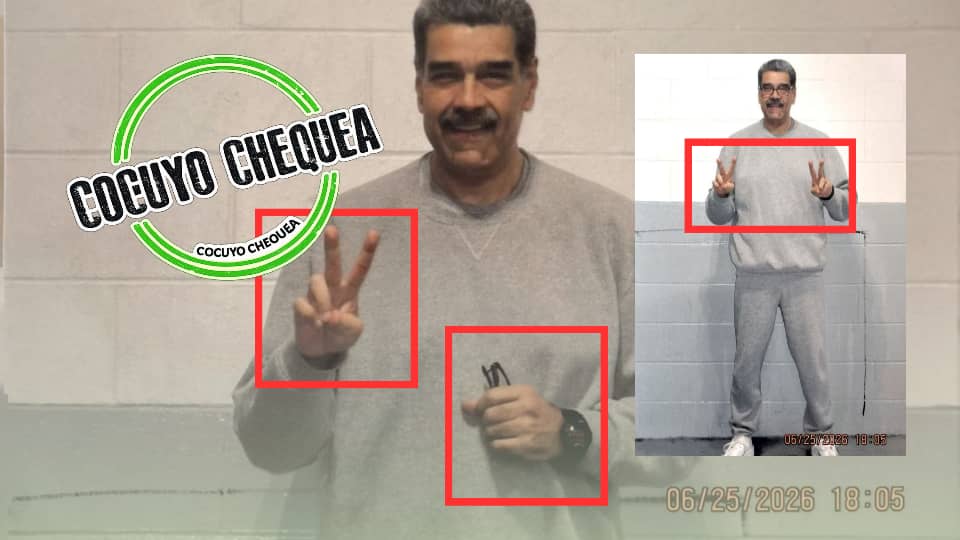
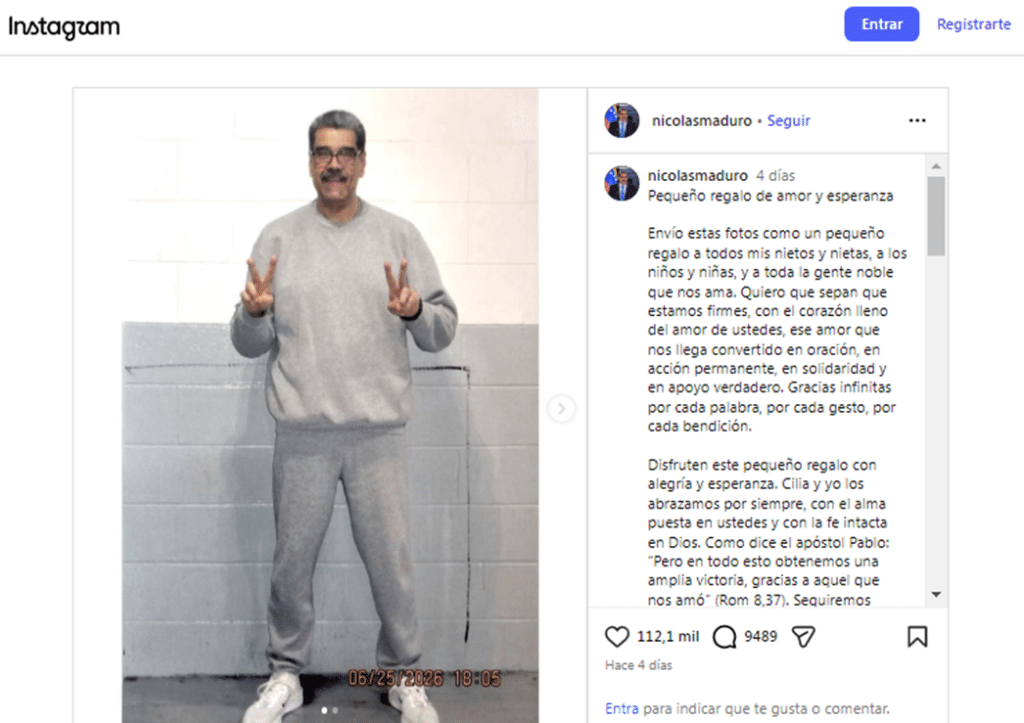
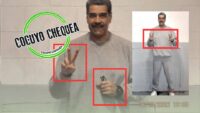
On August 30, 2026, the social media accounts of Nicolás Maduro stirred a whirlwind of speculation with the release of two photographs depicting the former Venezuelan president. These images, dated June 25, 2026, at 6:05 PM, show Maduro in a gray sports outfit, raising his hand in a victory sign against a backdrop of block walls. As questions arose regarding their authenticity—were they real or the product of artificial intelligence?—a deeper narrative began to unfold.
Unpacking the Timeline
The photographs were shared as a “small gift of love and hope” to Maduro’s supporters, including his grandchildren. Accompanying the images was a heartfelt message, expressing gratitude and reinforcing a sense of resilience amidst adversity. However, the disparity between the release date and the timestamp on the images piqued the interest of analysts and the public alike. How had these images made their way from a detention center to social media weeks later?
Verification and Authenticity
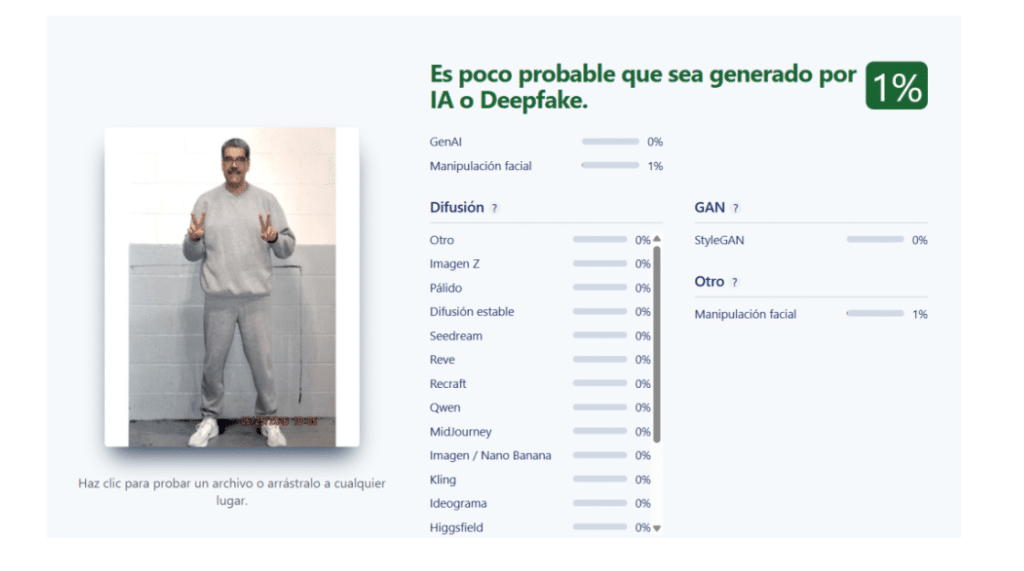
Independent verification agencies, including Efecto Cocuyo and Cazadores de Fake News, conducted thorough analyses, concluding that the photographs showed no signs of manipulation by AI. Elements such as the consistency in Maduro’s attire, the background, and the sequential positioning of his glasses in the images supported their authenticity. Notably, the images were examined in light of previous instances of digital misinformation that had plagued Maduro’s narrative.
Contextualizing the Circumstances
These images were purportedly taken at the Metropolitan Detention Center in Brooklyn, New York, where Maduro is currently held. The legal framework surrounding photography in U.S. detention facilities allows for such images to be captured under specific circumstances, adding a layer of complexity to the narrative. According to Nizar El Fakih, an international law expert, the procedures in federal facilities might permit the release of photographs under authorized conditions, though the situation remains rather unusual.
The Family’s Account
Further clarity emerged from Maduro’s son, Nicolás Maduro Guerra, who outlined the timeline of how these photographs were captured and disseminated. According to him, the images were taken by facility personnel on June 25 and were later mailed to the family, arriving on August 25—just days before their public release. While this account provides potential insight into the images’ journey, it is essential to approach it with a critical lens, as it originates from Maduro’s circle.
A Broader Reflection on Digital Media
This incident serves as a microcosm of the larger issues surrounding digital image verification in today’s world. The emergence of AI-generated images has led to increased skepticism and scrutiny of visual content. Authentic photographs can still carry ambiguity regarding their context, raising essential questions about the nature of truth in the digital age. Although independent analyses did not find AI manipulation, the lingering uncertainty about the timing and motive behind the release remains.
Looking Ahead
As we navigate the complexities of digital media and the narratives surrounding political figures, it remains crucial to approach such stories with a discerning eye. The authenticity of Nicolás Maduro’s photographs may have been established, yet the broader implications of their release continue to resonate in discussions about media, perception, and truth. In a world where images can so easily be weaponized, the need for rigorous verification and responsible reporting has never been more pressing.
Editorial note: This article was created by A Bit Lavish Miami’s Magazine as an original editorial reinterpretation based on publicly available reporting. Original source: efectococuyo.com. Read the original article here: https://efectococuyo.com/cocuyo-chequea/todo-lo-que-sabemos-sobre-las-fotos-de-nicolas-maduro-difundidas-desde-una-carcel-en-nueva-york/.
Images are used for editorial reference with source credit. If an image requires correction or removal, please contact A Bit Lavish.




Venezuelan Energy: A Call for Transparency and Democratic Governance
María Corina Machado voices significant concerns over a new U.S.-Venezuela oil agreement,...
 2 Mins read
Unveiling the Shadows: The Uncertain Future of Political Prisoners in Venezuela
An exploration of the ongoing plight of political prisoners in Venezuela, focusing...
3 Mins read
Rebuilding Venezuela: The Crucial Role of Legitimacy in Investment and Reconstruction
Exploring the essential relationship between institutional legitimacy and sustainable investment in Venezuela's...
3 Mins read


El Caso Maduro: Una Estrategia Legal en la Búsqueda de la Inmunidad Soberana
Explora el intento de Nicolás Maduro por desestimar su caso en EE.UU....
2 Mins read

Leave a comment