
Unveiling the Shadows: The Uncertain Future of Political Prisoners in Venezuela
The Disturbing Reality of Political Detention
In the heart of Venezuela, over 400 individuals remain entangled in a web of political oppression, despite hopes sparked by recent amnesty laws and negotiations between opposing political factions. The political landscape has undergone a seismic shift, yet the struggle for freedom continues unabated. Families of these political prisoners grapple with uncertainty and despair as they await news of their loved ones, who are detained on charges often described as politically motivated, such as terrorism and insurrection.
Recent Developments: Mass Transfers and Escalating Tensions
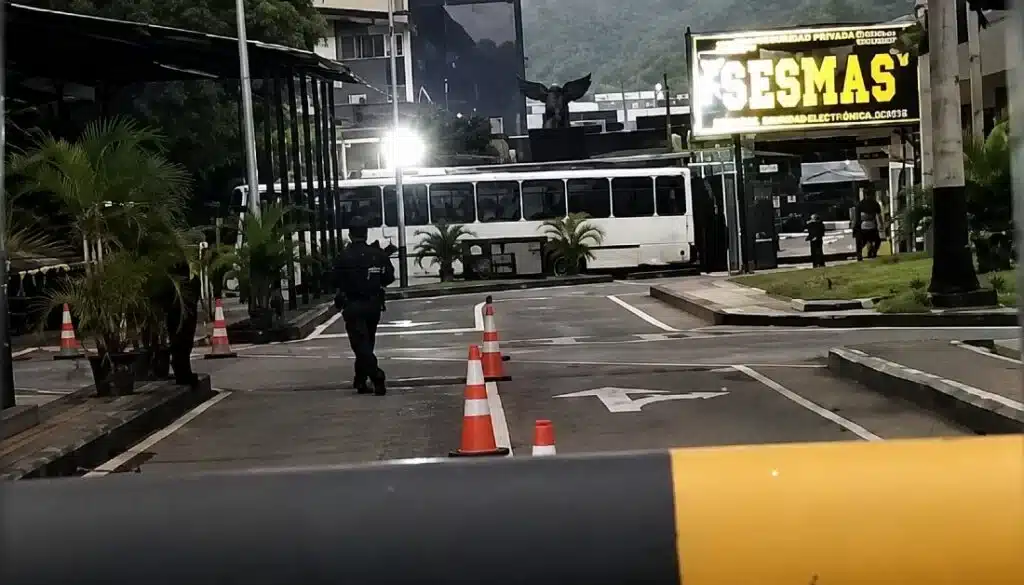
On a seemingly ordinary Thursday afternoon, the reality of this crisis deepened. Gonzalo Himiob, a prominent human rights lawyer and vice president of the NGO Foro Penal, confirmed that at least 94 political prisoners had been transferred from the notorious El Rodeo I prison to various other detention centers. While 24 of these transfers have been verified, the fate of many remains shrouded in mystery, leaving families in a state of heightened anxiety.
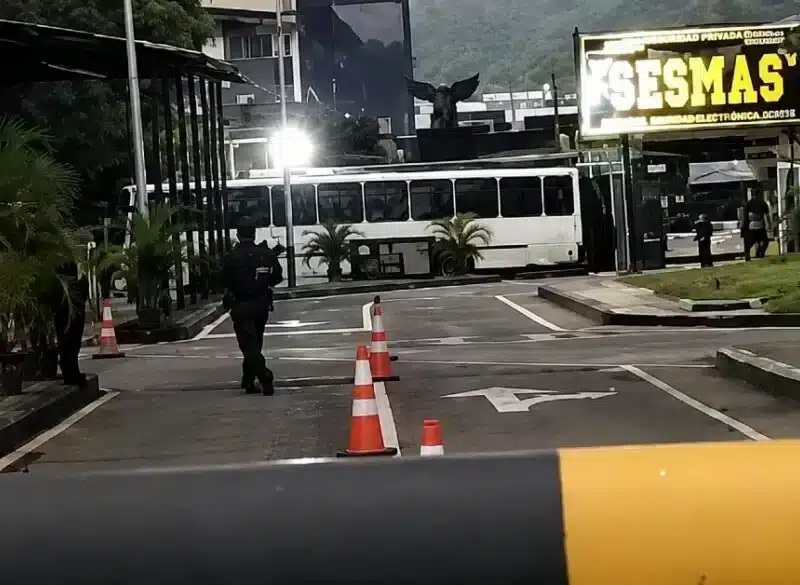
The Comité Para la Liberación de los Presos Políticos (CLIPPVE) has raised alarms regarding these sudden and arbitrary transfers. The organization reported ongoing tension around the El Rodeo I facility, as buses were seen entering the prison, signaling the movement of detainees. Notably, at least 32 prisoners were relocated to facilities in Miranda state, while others found themselves in the infamous La Planta prison in Caracas. These developments only amplify the anxiety felt by families who have spent over 200 days waiting outside the prison gates, demanding answers and the release of their loved ones.
The Voices of Concern: Families Cry Out for Clarity
Amidst the chaos, the voices of family members resonate with urgency. Jessica Castro, a family member of Gustavo Hernández, a prisoner involved in the Gedeón operation, shared her anguish over the transfers. She indicated that at least eight buses had departed El Rodeo I, raising fears of a systematic removal of political detainees from the facility.
Castro, representing the Alianza por la Libertad de los Presos Políticos, emphasized the need for communication. Families demand that all transferred prisoners reach out to assure their relatives of their safety, and they call for visitation rights to alleviate the distress caused by uncertainty. The families firmly believe that their loved ones should not only be freed but also that they have the inherent right to know about their whereabouts and well-being.
Demanding Accountability: The Call for Transparency
The Alianza por la Libertad de los Presos Políticos issued a poignant statement underscoring the right of families to be informed about the conditions and locations of their loved ones. It is unacceptable for families to learn about transfers through rumors or unofficial channels. Each transfer devoid of clarity exacerbates the emotional turmoil, instilling fear and anxiety among those left behind.
The plea from families is clear: authorities must take responsibility for the safety and psychological well-being of those detained. In an environment rife with uncertainty, the demand for transparency in the treatment of political prisoners is not just a matter of human rights; it is a fundamental necessity for restoring hope in a beleaguered society.
The Broader Implications: A Society in Turmoil
The plight of political prisoners is not merely a legal issue; it is emblematic of a broader societal crisis. As the Venezuelan political landscape continues to evolve, the impact of these detentions resonates far beyond prison walls. The families of those imprisoned become inadvertent activists, their struggles illuminating the resilience of the human spirit in the face of dehumanizing circumstances.
In Miami, a city with deep ties to Venezuelan communities, the echoes of this crisis are felt acutely. The diaspora remains acutely aware of the human cost of political oppression, rallying support for those who suffer under authoritarian rule. The plight of political prisoners in Venezuela serves as a reminder of the fragile nature of freedom and the ongoing fight for justice.
Hope Amidst Despair: The Path Forward
As the situation unfolds, the resilience of those affected remains a beacon of hope. While the immediate future for Venezuela’s political prisoners appears bleak, the collective voice of their families may yet ignite a movement for change. The ongoing struggle for clarity and justice reflects a commitment to human rights that transcends borders.
In a world increasingly aware of the realities faced by political prisoners, the demand for accountability and transparency stands as a testament to the enduring fight for freedom. As Miami and the global community continue to support this cause, the stories of the imprisoned and their families will not be forgotten.
Editorial note: This article was created by A Bit Lavish Miami’s Magazine as an original editorial reinterpretation based on publicly available reporting. Original source: efectococuyo.com. Read the original article here: https://efectococuyo.com/la-humanidad/que-sabemos-del-traslado-de-presos-politicos-desde-el-rodeo-i/.
Images are used for editorial reference with source credit. If an image requires correction or removal, please contact A Bit Lavish.



Former Congressman David Rivera Sentenced to 10 Years for Secret Lobbying Tied to Venezuela
David Rivera's sentencing marks a significant legal development with implications for U.S.-Venezuela...
 1 Mins read
Former GOP Congressman David Rivera Sentenced to 10 Years for Venezuela Lobbying Scheme
David Rivera, a former U.S. congressman, has been sentenced to a decade...
2 Mins read
David Rivera Sentenced to 10 Years for Secret Lobbying Related to Venezuela
The sentencing of former Congressman David Rivera marks a significant legal development...
2 Mins read



U.S. Issues License for Oil and Gas Exploration in Venezuela
The U.S. has authorized oil and gas exploration in Venezuela, a pivotal...
2 Mins read
