

A New Era for Venezuela’s Oil Industry
In a moment that could redefine the energy sector and international relations, Venezuela has reaffirmed its sovereignty over its vast oil reserves, even as it embarks on a historic partnership with the United States. The Venezuelan Minister of Hydrocarbons, Paula Henao, emphasized that the nation continues to maintain ‘control and ownership’ of its natural wealth, a declaration that echoes through both the halls of government and the markets.
The Agreement: What It Entails
On August 28, the landscape shifted dramatically when U.S. President Donald Trump announced an agreement heralded as potentially the most significant in history regarding oil exploration and production. This partnership allows for the exploitation of a substantial portion of Venezuela’s reserves—estimated at over 65 billion barrels—under the condition that Venezuela retains its ownership rights.
Minister Henao described the agreement as a commercial arrangement focused on attracting investment and technological expertise to revitalize Venezuela’s beleaguered oil industry. She articulated a vision for a reliable energy supply that benefits both nations, casting the deal as a gesture of goodwill from the Venezuelan people to their American counterparts.
The Path Forward: Production Goals and Challenges
Venezuela’s current oil production stands at approximately 1.236 million barrels per day (bpd), but the agreement aims to ramp this figure up to over 1.5 million bpd within a projected timeline. With historical production levels reaching up to 3.1 million bpd in 1998 before the rise of the current political regime, the nation is keen on restoring its former glory in the global oil market.
The partnership is framed as a 25-year commitment to develop 17 oil fields, a move that is poised to inject much-needed capital and innovation into the industry. However, the details surrounding the agreement’s implementation remain under wraps, with Henao vowing to present the proposal to the National Assembly for further scrutiny.
Corporate Interests and Transparency
At the heart of this agreement lies North American Blue Energy Partners (NABEP), a firm that has garnered significant attention due to its connections and the controversies surrounding its leadership. The company is set to play a pivotal role in the development of the oil fields, with a notable 35% stake being allocated to the U.S. Department of Defense. This aspect raises questions about the implications of such a partnership within the geopolitical landscape.
Leading NABEP is Alejandro Betancourt, a businessman who has faced scrutiny for alleged financial improprieties in Europe. His involvement adds a layer of complexity to the agreement, raising concerns about the transparency and integrity of the operations moving forward. As the deal unfolds, it will be essential for both the Venezuelan government and its U.S. partners to navigate these waters carefully.
The Broader Implications
This agreement not only signifies a shift in Venezuela’s oil narrative but also reflects broader geopolitical trends. As the U.S. seeks to bolster its energy independence and find alternative sources, partnerships like this one may become increasingly important. For Miami’s business community, which is closely tied to Latin America, understanding these dynamics is crucial, as they can influence everything from investment opportunities to energy prices.
Furthermore, as the global energy landscape evolves, the implications for local economies in regions such as South Florida could be significant. The potential for increased trade and investment could lead to new opportunities for businesses in sectors ranging from energy to technology.
Looking Ahead: A Cautious Optimism
As Venezuela navigates this new chapter in its oil industry, the eyes of the world will be watching. The delicate balance of asserting sovereignty while engaging in international partnerships is fraught with challenges, yet it also presents an opportunity for revitalization. The Venezuelan government faces the daunting task of ensuring that this agreement translates into tangible benefits for its citizens while maintaining operational integrity.
In Miami and beyond, the ramifications of this agreement will resonate for years to come, shaping the future of energy relations and economic partnerships in the region. As the situation evolves, stakeholders will need to remain agile, seizing opportunities as they arise while being mindful of the complexities that lie ahead.
Editorial note: This article was created by A Bit Lavish Miami’s Magazine as an original editorial reinterpretation based on publicly available reporting. Original source: efectococuyo.com. Read the original article here: https://efectococuyo.com/politica/interinato-dice-que-venezuela-mantiene-control-y-propiedad-del-petroleo-tras-acuerdo-con-eeuu/.
Images are used for editorial reference with source credit. If an image requires correction or removal, please contact A Bit Lavish.









A Tragic Cycle: The Ongoing Crisis in Venezuela’s Prisons
An exploration of the alarming conditions in Venezuelan prisons, highlighting recent fatalities...
 ABL2 Mins read
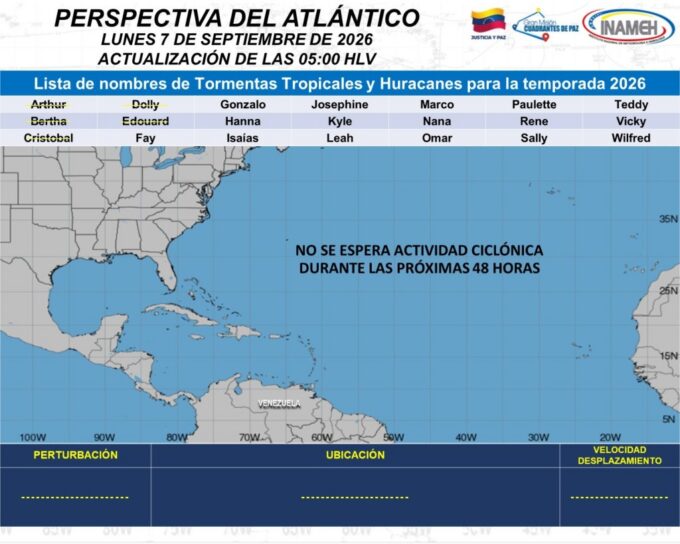
Tropical Waves Bring Variable Rainfall to Venezuela: A Forecast for the Week Ahead
Discover the latest weather insights from Venezuela as tropical waves influence rainfall...
ABL2 Mins read

The Struggle for Press Freedom in Venezuela: A Call to Action
Explore the ongoing challenges faced by journalists in Venezuela and the urgent...
 2 Mins read
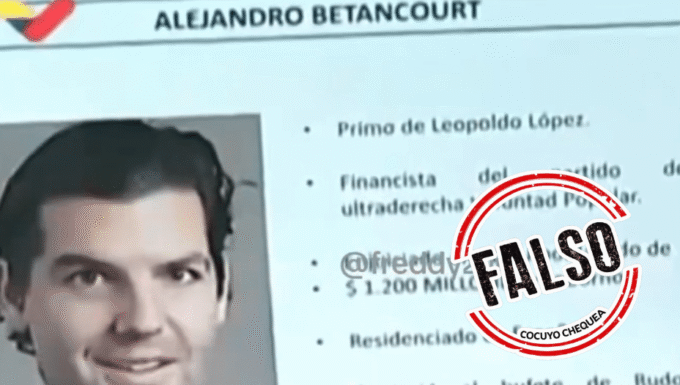


Unraveling the Truth: Alejandro Betancourt and Leopoldo López’s Alleged Family Ties
Explore the truth behind the claims of familial connections between Alejandro Betancourt...
ABL2 Mins read

Leave a comment