
Forging New Alliances
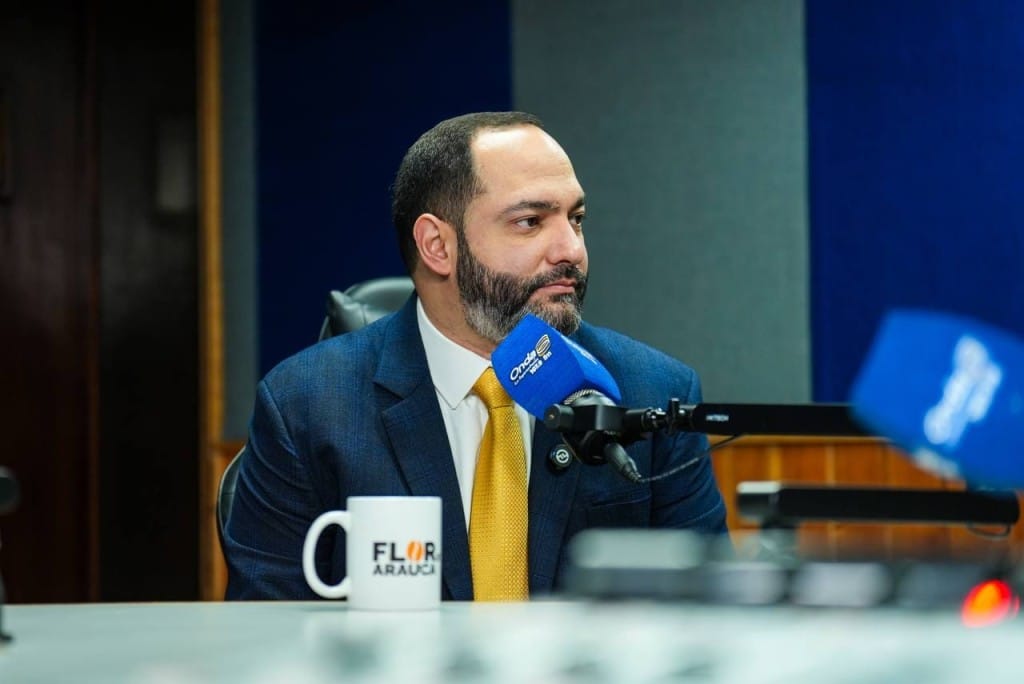
In a significant pivot towards revitalizing its oil sector, Venezuela has announced an ambitious agreement with the United States that sets the stage for a transformative 25-year partnership. The Venezuelan authorities, spearheaded by Héctor Obregón, the president of Petróleos de Venezuela (Pdvsa), are implementing a new production sharing contract model aimed at attracting private investment. This initiative is underpinned by structural reforms and an updated Hydrocarbons Law, signaling a proactive approach to bolster the nation’s oil production capabilities.
Shared Benefits, Shared Risks
At the heart of this new model lies a commitment to shared benefits. According to Obregón, the framework allows private investors to obtain crude oil for commercialization and refining while ensuring that the Venezuelan state retains a substantial share of royalties, taxes, and direct participation. This collaborative spirit seeks to harness the country’s vast oil reserves—estimated at 303 billion barrels—while integrating local expertise with foreign capital. The revenues generated from this partnership are earmarked for vital social programs, infrastructure development, and improvements in healthcare and education, showcasing a dual focus on economic growth and societal well-being.
Production Trends on the Upswing
As the new contracts are rolled out, Pdvsa is already witnessing a positive production trend. Over the past two years, oil output has steadily increased, reaching approximately 1.2 million barrels per day by December 2025. The government aspires to elevate this figure to over 1.5 million barrels daily in the coming year, with the infusion of fresh investments playing a crucial role in this growth. Minister of Petroleum Paula Henao has stated a target of 1.4 million barrels per day by the end of 2026, marking a crucial milestone in Venezuela’s ambition to reclaim its status as a leading oil producer.
A Long-Term Vision
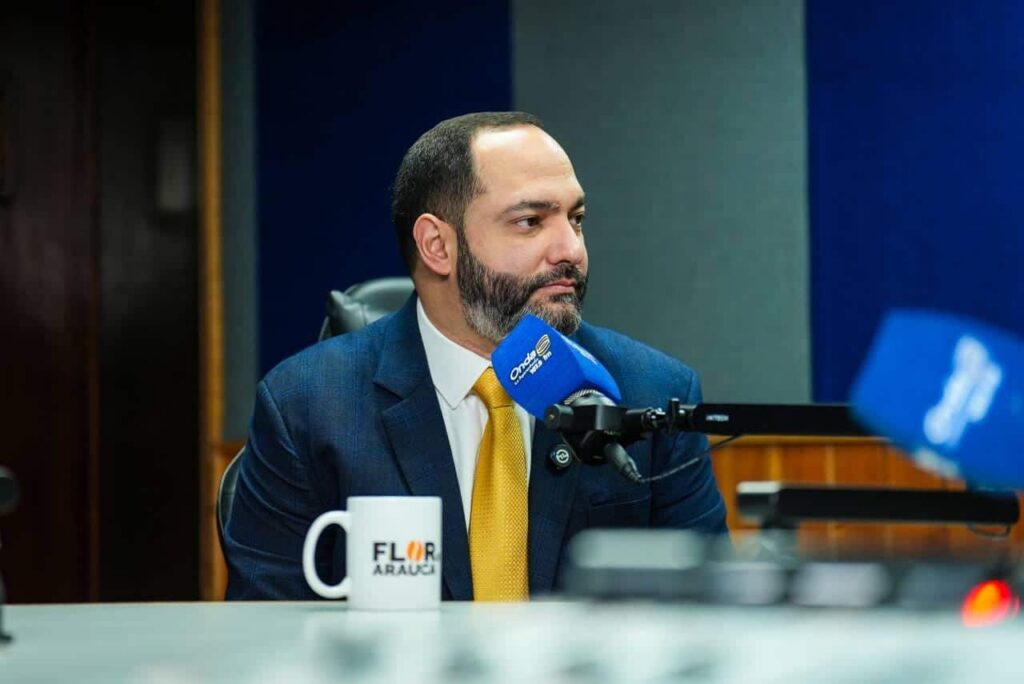
Obregón emphasized that the partnership with the U.S. is not merely a contractual engagement but a long-term vision for the future of Venezuela’s oil industry. The agreement, which was announced in late August, is set for an initial duration of 25 years, with provisions for mutual renewals. This flexibility allows for adjustments in response to evolving market dynamics and investment landscapes, ensuring that Venezuela can adapt its strategies over time to maximize benefits from its natural resources.
Involvement of International Stakeholders
The agreement also highlights the involvement of North American Blue Energy Partners (NABEP), led by entrepreneur Alejandro Betancourt. The U.S. government’s participation through a 35% equity stake in NABEP adds a layer of complexity to the agreement, positioning it as a tripartite venture. This collaboration not only promises to enhance Venezuela’s oil output but also reinforces the notion that the country retains control and ownership of its natural resources, a vital point emphasized by government officials amidst international engagement.
Reclaiming Historical Production Levels
While the new agreements and strategies are poised to reinvigorate the oil sector, they also aim to address the historical decline in production levels that have plagued Venezuela since the late 1990s. The government has positioned this partnership as a mechanism not only for monetizing vast reserves but also for generating essential fiscal revenues needed to support the nation’s recovery and development. The dual focus on modernizing the sector while ensuring the well-being of its citizens underscores the strategic importance of this initiative.
Looking Ahead
As Venezuela embarks on this new chapter with its U.S. partnership, the implications for both domestic and international stakeholders are profound. The commitment to sustainable development, combined with the drive for increased oil production, sets a promising tone for the future. The journey ahead will undoubtedly require careful navigation of both opportunities and challenges, but the vision laid out by Venezuelan authorities is a hopeful one, aiming to reestablish the country as a resilient player in the global oil market.
Editorial note: This article was created by A Bit Lavish Miami’s Magazine as an original editorial reinterpretation based on publicly available reporting. Original source: efectococuyo.com. Read the original article here: https://efectococuyo.com/economia/presidente-de-pdvsa-dice-que-acuerdo-con-eeuu-es-a-25-anos-pero-es-renovable/.
Images are used for editorial reference with source credit. If an image requires correction or removal, please contact A Bit Lavish.




The Resilient Pulse of Venezuelan Politics: Psuv’s Readiness for Future Elections
Diosdado Cabello asserts the readiness of the Psuv party for upcoming elections...
 ABL2 Mins read
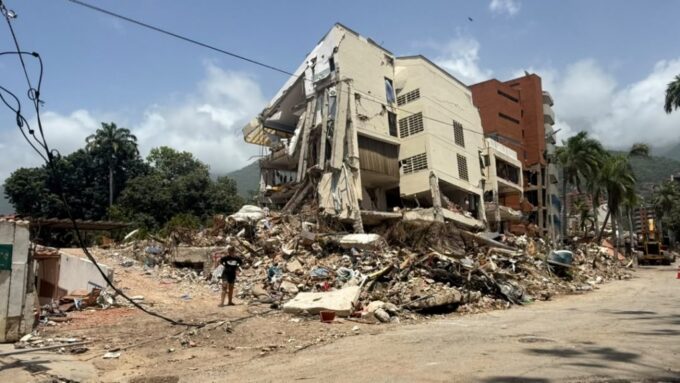
La Guaira’s Rebirth: A Step Towards Safety and Resilience
In response to a series of devastating earthquakes, La Guaira is set...
ABL2 Mins read
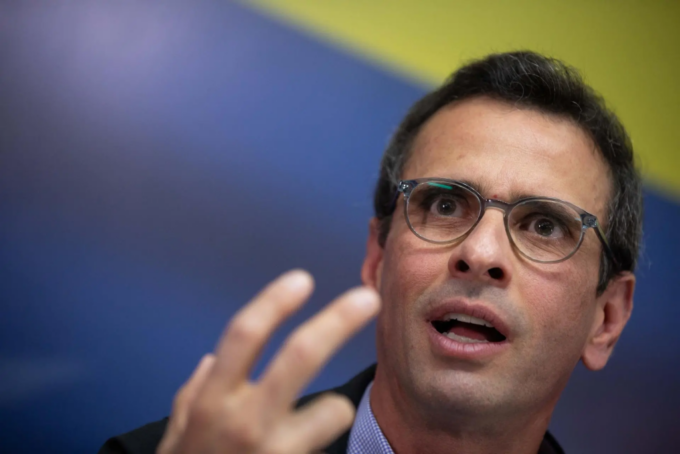
Navigating Venezuela’s Energy Future: Henrique Capriles Speaks Out
Venezuelan opposition leader Henrique Capriles questions the transparency of a recent oil...
ABL3 Mins read
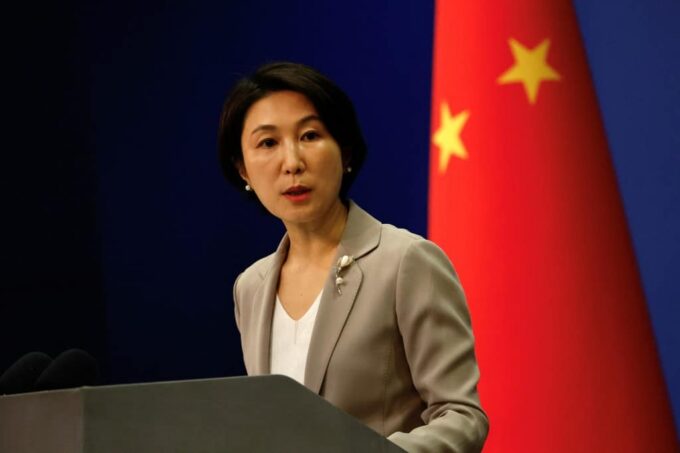


China’s Strategic Interests in Venezuela: A Diplomatic Standoff
Explore the implications of China's firm stance on its economic interests in...
ABL2 Mins read
Leave a comment