
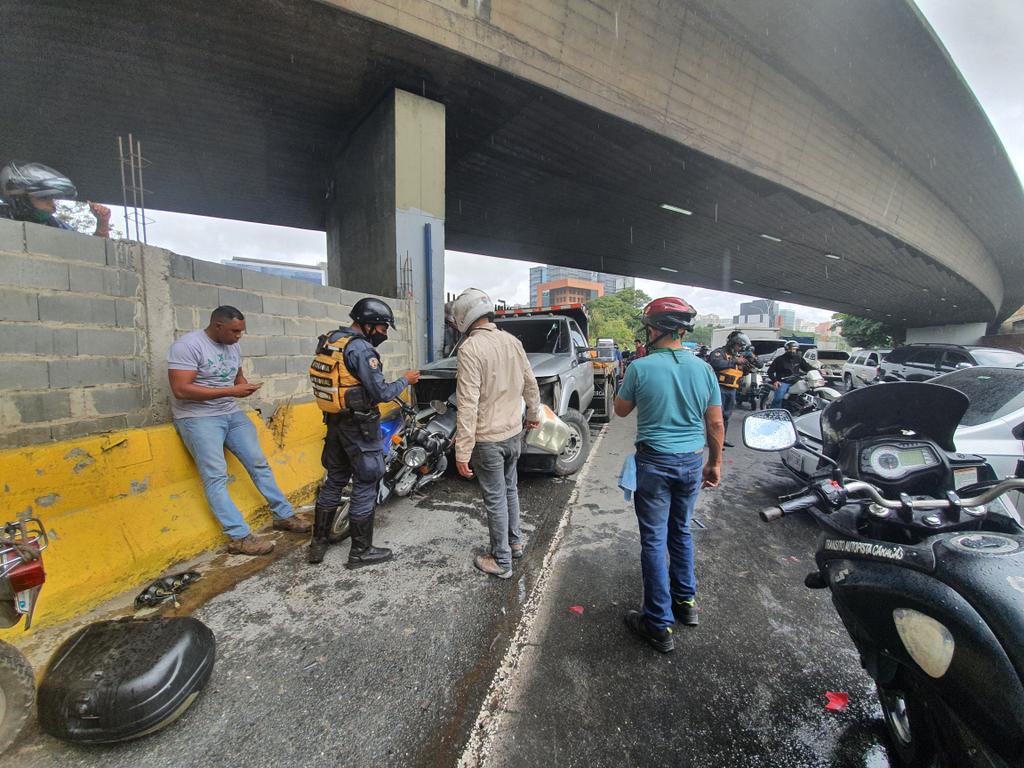
A Grave Situation on Venezuelan Roads
In July 2026, Venezuela witnessed a distressing spike in road-related fatalities, with a reported 103 lives lost due to traffic accidents. This figure, encompassing 89 men and 14 women, was documented by the Observatorio de Seguridad Vial (OSV), a non-governmental organization dedicated to improving road safety. The staggering numbers not only reflect a grave humanitarian crisis but also highlight the urgent need for reform in vehicular policies and preventive measures.
Demographic Insights into Fatalities
The OSV’s report reveals that the demographic most affected by these tragedies is primarily the economically active population, particularly young individuals aged between 20 and 29. This alarming trend raises questions about the broader implications for Venezuela’s future workforce and societal productivity. As these young lives are lost, the country faces a potential depletion of its vital human resources.
Accident Statistics and Contributing Factors
In total, the month recorded 299 accidents, with a significantly high number of incidents involving motorcycles. A staggering 254 motorcycles were implicated, alongside 111 private cars, 36 industrial vehicles, 32 trucks, and 14 buses. Among the motorcyclists, 50 fatalities and 177 injuries were reported, while 9 passengers on these vehicles also lost their lives. A closer examination of the causes behind these accidents reveals that excessive speed was the primary contributor, accounting for 179 incidents, followed by driver inexperience in 58 cases.
The Call for Change
Rosibel González, the coordinator of OSV, voiced a critical need for transforming the country’s preventive policies regarding road safety. She emphasized that the data from July clearly indicates that the tragedy on Venezuelan roads is unabated, disproportionately impacting the nation’s younger and more productive demographic. The call for a paradigm shift in public safety measures is not merely a suggestion but a necessity for the well-being of society.
Proposed Solutions and the Road Ahead
González advocates for the implementation of advanced electronic oversight and intelligent monitoring systems, in addition to the establishment of continuous road safety education campaigns. These measures are crucial in fostering a culture of responsibility among drivers, particularly motorcyclists, who are currently the most vulnerable group on Venezuelan roads. Stricter enforcement of traffic regulations and a commitment to driver education could serve as essential steps towards curbing this unsettling trend.
A Broader Context: Lessons for Miami and Beyond
While Venezuela grapples with its road safety crisis, cities like Miami can glean valuable lessons from this situation. The importance of robust traffic safety policies and public awareness campaigns cannot be overstated, especially in metropolitan areas with high traffic volumes. As urban centers continue to expand, understanding the dynamics of road safety—both the challenges and potential solutions—will be vital for ensuring the protection of all road users.
Editorial note: This article was created by A Bit Lavish Miami’s Magazine as an original editorial reinterpretation based on publicly available reporting. Original source: efectococuyo.com. Read the original article here: https://efectococuyo.com/la-humanidad/ong-registra-103-muertes-en-julio-de-2026-por-accidentes-de-transito/.
Images are used for editorial reference with source credit. If an image requires correction or removal, please contact A Bit Lavish.










A New Chapter in Colombian Firearm Policy: A Call for Responsibility and Safety
Colombia's recent decision to lift the general suspension on firearm permits marks...
 ABL3 Mins read

A Timely Reminder: The Legacy of Carlos Cruz-Diez and the Importance of Artistic Integrity
The family of renowned Venezuelan artist Carlos Cruz-Diez raises concerns over the...
ABL2 Mins read

A Tale of Justice: The Fight for Accountability in Venezuelan Detentions
Explore the harrowing journey of Nahuel Gallo, an Argentine gendarme, as he...
ABL2 Mins read


Navigating the Uncharted Waters of Venezuelan Migration: Peru’s Bold Moves
Explore the complexities of Venezuelan migration in Peru, as the government seeks...
ABL3 Mins read

Leave a comment