
A Growing Concern
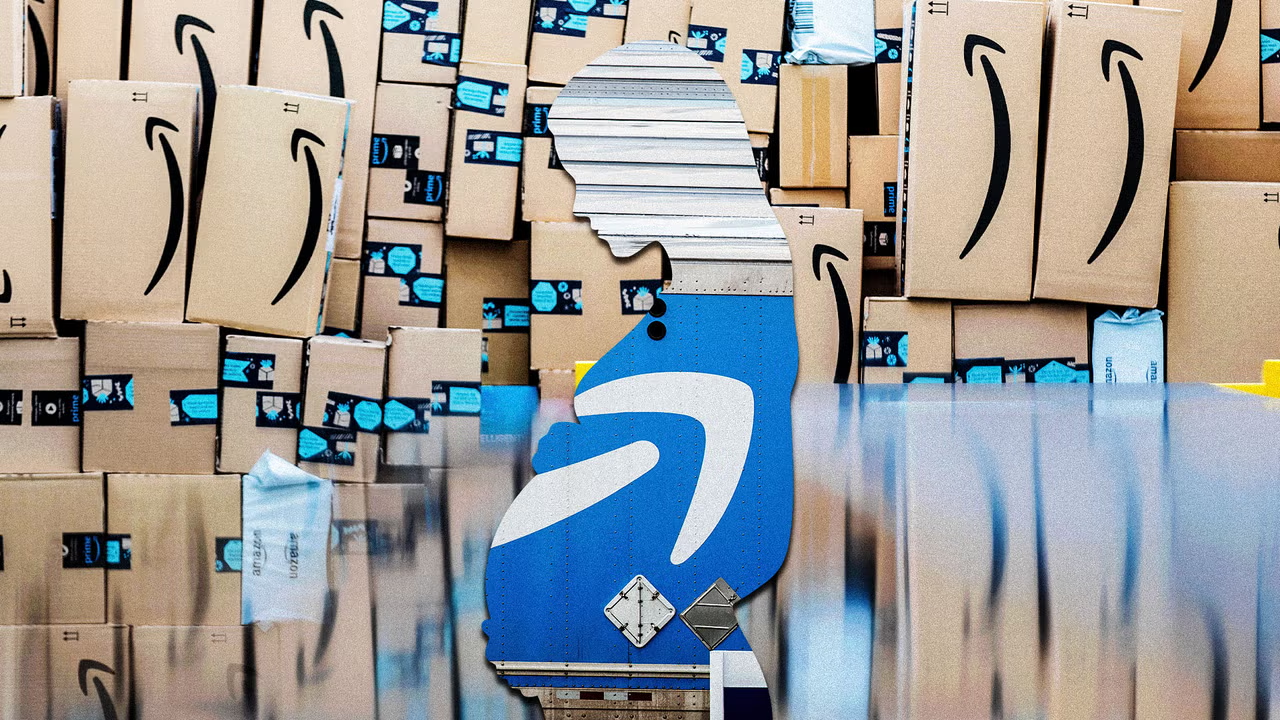
In a landscape where corporate responsibility is under increasing scrutiny, the recent class-action lawsuit against Amazon reveals a troubling narrative about the treatment of pregnant employees. Filed in a Brooklyn federal court, the lawsuit points to systemic failures within Amazon’s policies that allegedly neglect the rights of pregnant workers. At the heart of the suit are claims from four former employees in New York, who describe instances of inadequate accommodations and retaliatory actions during their pregnancies.
The Pregnant Workers Fairness Act: A Legal Framework
The backdrop of this legal battle is the Pregnant Workers Fairness Act, enacted in 2022 to mandate reasonable accommodations for employees affected by pregnancy and childbirth. The lawsuit asserts that Amazon has not only violated this act but has established a culture that requires pregnant employees to provide medical documentation for basic accommodations, alongside neglecting sanctioned breaks for pregnancy-related needs.
Corporate Image vs. Reality
Amazon markets itself as a champion of employee welfare, claiming to be “Earth’s most customer-centric company and best employer.” However, this image is increasingly challenged by a series of lawsuits and complaints that question the veracity of its commitments to employee safety and rights. The company faces numerous complaints filed with the National Labor Relations Board and the Equal Employment Opportunity Commission (EEOC), highlighting a pattern of alleged discrimination against pregnant workers.
Documented Discrimination and Response
Earlier EEOC findings corroborate claims made in the current lawsuit, suggesting that Amazon has failed to honor the rights of several female warehouse associates. Earlier this year, the commission found that the company discriminated against Jennifer Hatch, a plaintiff in the lawsuit, by not providing her with necessary pregnancy-related accommodations. Such findings paint a stark picture of the challenges faced by pregnant employees within Amazon’s fulfillment centers.
A Collective Voice for Change
The implications of this lawsuit extend beyond the individual plaintiffs, representing a broader issue that could affect countless other employees. With nearly 200 Amazon workers reportedly reaching out to advocacy groups for assistance regarding inadequate pregnancy accommodations, the momentum for reform is gaining traction. Advocacy organizations emphasize that the case is not merely about Amazon but reflects a larger trend in workplace policies that threaten the rights and roles of women in the labor market.
Broader Implications for Corporate Culture
The legal action against Amazon serves as a critical reminder of the essential role that corporate policy plays in shaping workplace culture. As the conversation around women’s rights in the workplace evolves, it becomes imperative for companies, especially those as influential as Amazon, to reassess and align their practices with the legal standards designed to protect their employees. The outcome of this lawsuit could set a precedent that resonates throughout the industry, urging a reevaluation of how companies accommodate pregnant workers.
Looking Ahead: The Road to Reform
The future of Amazon’s workplace policies hinges on the outcomes of this lawsuit and the growing awareness among employees regarding their rights. Should the plaintiffs succeed, it could prompt significant policy reforms not only within Amazon but also inspire similar changes across the retail sector. For Miami and beyond, the implications are profound, as the market continues to evolve and adapt to the changing workforce dynamics, emphasizing the need for equitable treatment of all employees.
Editorial note: This article was created by A Bit Lavish Miami’s Magazine as an original editorial reinterpretation based on publicly available reporting. Original source: fastcompany.com. Read the original article here: https://www.fastcompany.com/91603561/nearly-200-amazon-workers-called-this-pregnancy-rights-hotline-in-2026-now-theres-a-lawsuit.
Images are used for editorial reference with source credit. If an image requires correction or removal, please contact A Bit Lavish.









Empowering Your Digital Life: Meta’s Muse Takes Center Stage
Explore how Meta's new AI agent, Muse, is set to revolutionize personal...
 ABL3 Mins read
The Future of Work: Australia’s Bold Move Towards Remote Work Rights
Explore Australia's potential legislation granting employees the right to work remotely and...
ABL2 Mins read

From Fiction to Innovation: The Enduring Legacy of Star Trek in Today’s Tech Landscape
Explore how Star Trek's visionary technologies have inspired real-world innovations, shaping modern...
ABL2 Mins read



The Art of Listening: Elevating Leadership in Miami’s Dynamic Business Landscape
Explore the transformative power of listening in leadership, with insights into how...
ABL3 Mins read

Leave a comment