
Federal Reserve Raises Interest Rates: Implications for Luxury Goods and Stock Markets
MIAMI — September 17, 2026
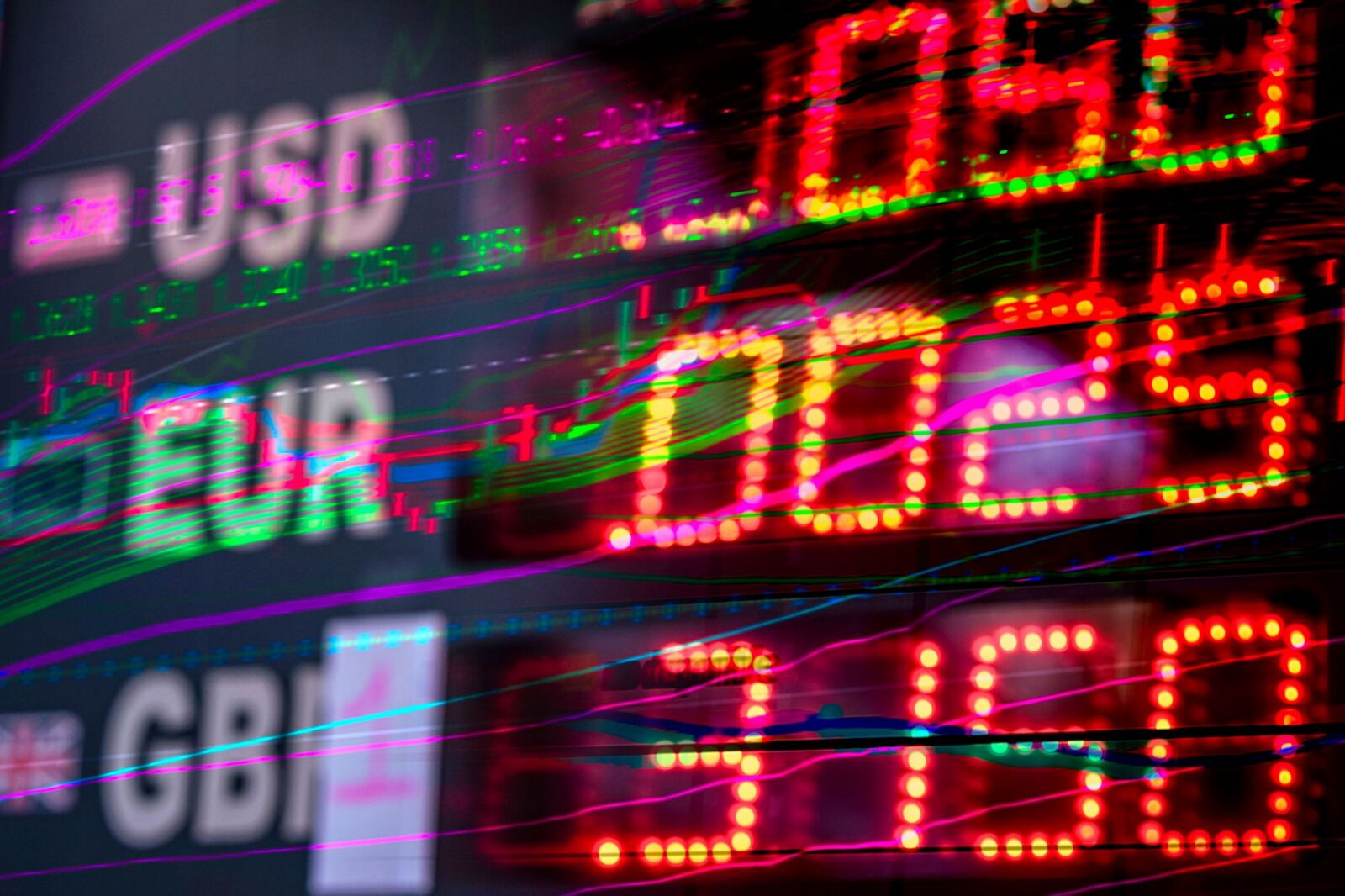
The Federal Reserve announced a 25 basis point increase in interest rates on September 16, 2026, a decision that has reverberated through financial markets and raised concerns about its implications for luxury goods consumption. This move marks the Fed’s ongoing strategy to combat inflation, which has remained stubbornly high despite previous rate hikes.
The decision was made during a Federal Open Market Committee (FOMC) meeting held in Washington, D.C., where policymakers evaluated the current economic landscape. The Fed’s chair, Jerome Powell, stated in a press conference following the meeting that the rate hike was necessary to ensure price stability and to maintain the strength of the U.S. economy. “We are committed to our dual mandate of maximum employment and stable prices,” Powell emphasized.
The immediate aftermath of the announcement saw a notable decline in U.S. stock markets, with the S&P 500 dropping by 1.5% and the Dow Jones Industrial Average falling by 1.2%. This downturn reflects investor concerns about the potential dampening effect of higher borrowing costs on consumer spending, particularly in the luxury sector, which is highly sensitive to shifts in disposable income and credit availability.
Luxury brands, which have enjoyed a robust recovery post-pandemic, are now facing uncertainty. Analysts predict that as interest rates rise, consumers may curtail spending on high-end goods, impacting companies like LVMH, Richemont, and Kering. According to market research, a 1% increase in interest rates could lead to a 2-3% decline in luxury goods sales, as consumers prioritize essential expenditures over discretionary luxury items.
This development is particularly significant as it comes at a time when luxury goods have been experiencing a renaissance, with brands reporting record sales in recent quarters. The potential slowdown in this sector could have broader implications for the economy, given that luxury goods often serve as economic indicators due to their sensitivity to consumer confidence.
Looking ahead, the luxury market will be closely monitored for signs of a slowdown. Analysts suggest that if the Fed continues its trajectory of rate hikes, we may see a shift in consumer behavior, with a possible pivot towards more affordable luxury options. Additionally, companies may need to adjust their pricing strategies and marketing approaches to maintain consumer interest.
In conclusion, the Federal Reserve’s recent interest rate hike is a pivotal moment for the stock market and the luxury goods sector. As the economic landscape evolves, stakeholders will need to navigate the challenges posed by higher borrowing costs and changing consumer preferences.
Source: ABC4 Utah









Federal Reserve Implements Rate Hike Amidst Persistent Inflation and Accelerated Growth
The Federal Reserve's recent decision to raise interest rates signals a significant...
 2 Mins read

Navigating the New Frontier: AI Labs and the Safety Imperative
Exploring the strategic interplay between AI safety initiatives and competitive advantage among...
2 Mins read
Federal Reserve Raises Interest Rates by a Quarter Point to Combat Inflation
The Federal Reserve's recent decision to increase interest rates marks a significant...
1 Mins read


Federal Reserve’s Kashkari Issues Stark Inflation Warning, Advocates for Rate Hikes
Neel Kashkari, President of the Federal Reserve Bank of Minneapolis, has raised...
2 Mins read

Leave a comment