
Navigating the New Frontier: AI Labs and the Safety Imperative

Opening the Door to Safety
As the artificial intelligence landscape evolves at breakneck speed, a notable trend is emerging among the industry’s giants: a concerted push for stringent safety protocols. Companies such as Anthropic and OpenAI have taken up the mantle of AI safety advocacy, but beneath this surface lies a complex interplay of genuine concern and strategic maneuvering. While the implications for public safety are significant, the potential competitive advantages for these major players cannot be overlooked.
Regulatory Capture: A Double-Edged Sword
The current dialogue surrounding AI safety regulations exposes a critical risk of regulatory capture—a scenario where compliance demands disproportionately benefit established labs while stifling competition. Analysts argue that as these large labs advocate for regulations, they may inadvertently fortify their own positions in the market, leaving smaller entities struggling to keep pace. The concern is that the financial burdens associated with compliance could create barriers to entry, effectively entrenching a select few in a dominant market position.
The Cost of Compliance: A Burgeoning Expense
In the shadow of these regulatory discussions, the financial implications for AI companies are significant. Independent evaluators, proposed as a requirement for model safety assessments, could impose hefty fees due to the complexity and resource demands associated with evaluating advanced AI systems. This creates a heavy cost burden that smaller labs may find insurmountable, as they vie for a foothold in an increasingly competitive market.
Unified Voices in a Divided Industry
In an unusual show of solidarity, leaders from some of the largest AI labs have recently echoed calls for a measured approach to model development. This collective appeal for a slowdown in AI advancements highlights an urgent need to address safety and alignment issues before pushing the boundaries of innovation too far. Notably, executives from Anthropic and OpenAI have publicly supported the idea of slowing down development in favor of enhancing safety measures, signaling a moment of alignment in an otherwise competitive field.
Balancing Safety and Competitive Edge
While the push for safety measures appears altruistic, it simultaneously raises questions about the potential for competitive advantage. As these labs advocate for independent evaluations, they may be positioning themselves to control the narrative around AI safety. This duality presents a complex challenge—balancing genuine safety concerns with the instinct to solidify market dominance. Industry analysts suggest that even as they promote safety, these companies recognize its critical role in customer evaluations and long-term success.
The Road Ahead: A Landscape Transformed
The future of AI development hangs in the balance as the industry grapples with the implications of regulatory frameworks. The intricate dance between safety and competitive advantage could reshape the landscape, determining which players thrive and which struggle to survive. With the stakes higher than ever, the question remains: will the call for safety ultimately serve as a catalyst for innovation, or will it create an impenetrable fortress around the current titans of AI?
Editorial note: This article was created by A Bit Lavish Miami’s Magazine as an original editorial reinterpretation based on publicly available reporting. Original source: fastcompany.com. Read the original article here: https://www.fastcompany.com/91609703/the-big-ai-labs-safety-push-could-come-with-a-competitive-advantage.
Images are used for editorial reference with source credit. If an image requires correction or removal, please contact A Bit Lavish.









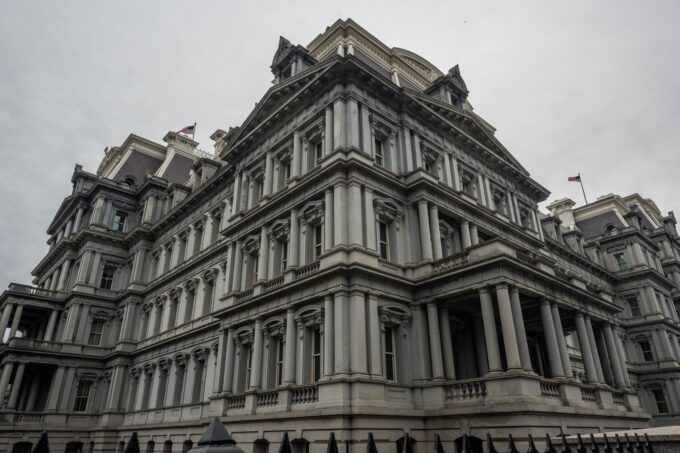
White House Takes Control of NIH Grants: A New Era in Health Research Funding
The White House's recent decision to take control of NIH grants signifies...
 2 Mins read

Federal Reserve Implements Rate Hike Amidst Persistent Inflation and Accelerated Growth
The Federal Reserve's recent decision to raise interest rates signals a significant...
2 Mins read

Federal Reserve Raises Interest Rates by a Quarter Point to Combat Inflation
The Federal Reserve's recent decision to increase interest rates marks a significant...
1 Mins read



Federal Reserve’s Kashkari Issues Stark Inflation Warning, Advocates for Rate Hikes
Neel Kashkari, President of the Federal Reserve Bank of Minneapolis, has raised...
2 Mins read

Leave a comment