
US Mortgage Rates Approach 7%, Straining Homebuyers and Housing Market
MIAMI — September 17, 2026
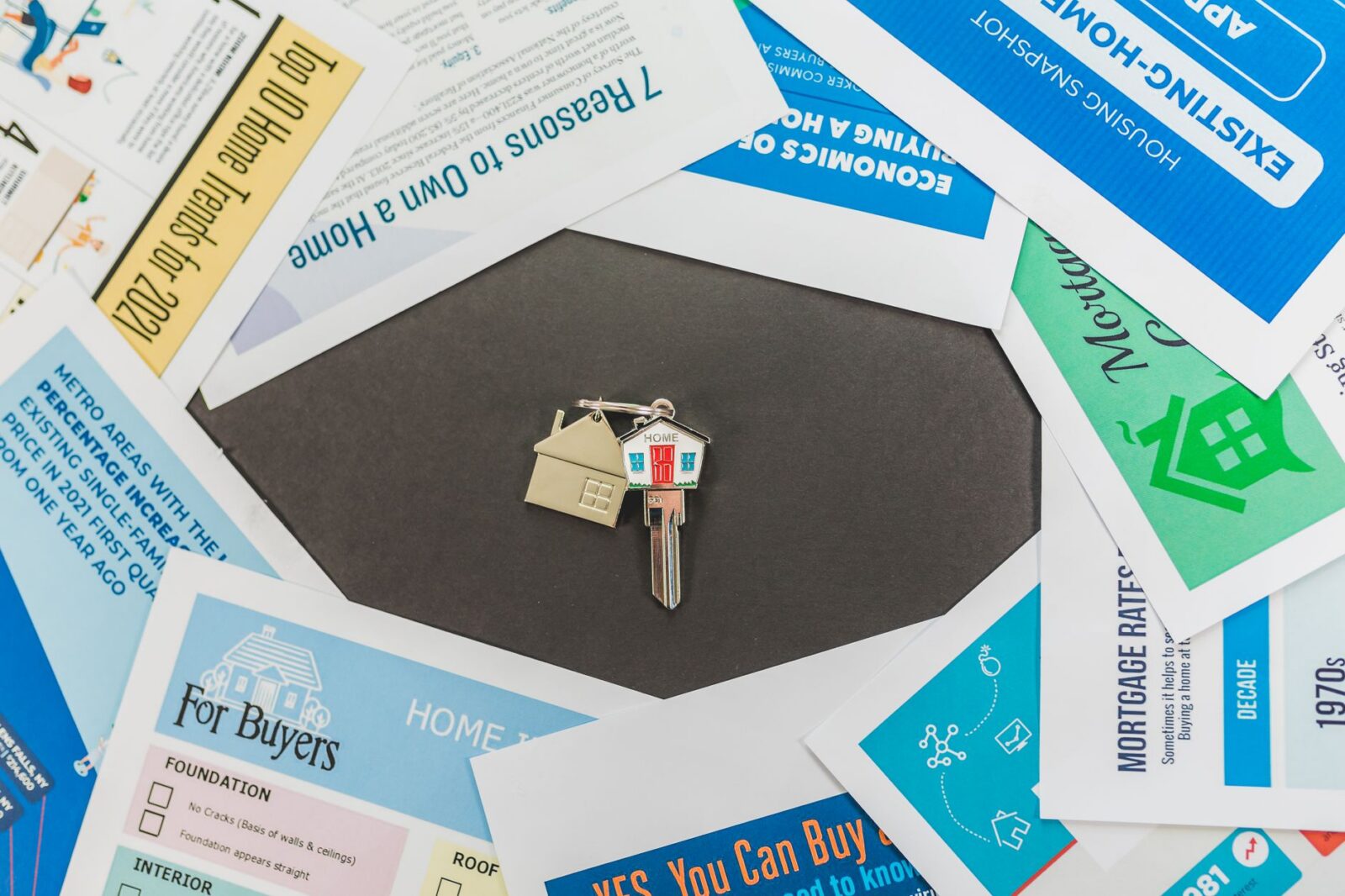
In a significant development for the U.S. housing market, mortgage rates have brushed against the 7% threshold, creating new hurdles for homebuyers and impacting the overall real estate landscape. This rise in rates, reported on September 17, 2026, is a critical moment for potential buyers who are already grappling with affordability issues in a competitive market.
The current average mortgage rate, as reported by various financial institutions, has reached approximately 6.95%, marking a notable increase from earlier in the year when rates hovered around 5%. This shift is primarily attributed to the Federal Reserve’s ongoing efforts to combat inflation through interest rate hikes, which have been implemented over the past year. The Fed’s monetary policy decisions, particularly its last rate increase in July 2026, have directly influenced mortgage rates, making borrowing more expensive for consumers.
Key players in this scenario include the Federal Reserve, which has been under pressure to stabilize the economy while managing inflation. The implications of these rising rates are profound, particularly for first-time homebuyers who are now facing higher monthly payments and increased difficulty in securing financing. According to the National Association of Realtors, the median home price in the U.S. has already surged to $400,000, exacerbating the challenges posed by rising interest rates.
As mortgage rates approach 7%, the housing market is experiencing a slowdown in activity. Real estate agents report a decrease in home showings and offers, as potential buyers reassess their financial capabilities in light of the new rates. The impact is particularly pronounced in metropolitan areas like Miami, where the housing market has been characterized by rapid price increases and fierce competition.
This development is receiving heightened attention now due to its potential ripple effects on the broader economy. Higher mortgage rates can lead to reduced consumer spending, as families allocate more of their budgets to housing costs. Additionally, the slowdown in the housing market may affect related sectors, including construction, home improvement, and retail.
Looking ahead, experts predict that if mortgage rates continue to rise, we may see a further cooling of the housing market, potentially leading to a decline in home prices. However, if the Federal Reserve signals a pause in its rate hikes, there could be a stabilization of mortgage rates, providing some relief to homebuyers. The next Federal Open Market Committee meeting is scheduled for late September 2026, where further insights into monetary policy will be revealed.
In summary, the near 7% mortgage rates present a critical juncture for homebuyers and the housing market, with significant implications for economic stability and consumer behavior. As the situation evolves, stakeholders across the real estate and financial sectors will be closely monitoring these developments.
Source: nbcconnecticut.com









Luxury Living Reimagined: Bugatti Joins Miami’s Elite Condo Scene
Discover how Bugatti is redefining luxury in Miami's real estate market with...
 2 Mins read
Luxury Orlando Townhome Development Sells for $13.2 Million
A high-end townhome development in Orlando has been sold for $13.2 million,...
1 Mins read
Sunny Randhir Singh Unveils Multicultural, Family-First Strategy for Southern California Real Estate
The announcement marks a pivotal shift in the Southern California real estate...
2 Mins read


Dream Finders Homes Expands Horizons: A $12 Million Acquisition in Palm Beach County
Dream Finders Homes makes a strategic entrance into Palm Beach County with...
 ABL2 Mins read

Leave a comment