
Eighteen Suspects in Haiti’s Presidential Assassination Extradited to the U.S.

MIAMI — September 20, 2026
In a significant legal development, 18 suspects accused of involvement in the assassination of Haiti’s President Jovenel Moïse have been extradited from Haiti to the United States. This event, confirmed on September 20, 2026, is poised to have far-reaching implications for both international law and Haiti’s political landscape.
The assassination of President Moïse occurred on July 7, 2021, when armed assailants stormed his residence in Port-au-Prince, resulting in his death. The incident sent shockwaves through Haiti, a nation already grappling with political instability, gang violence, and economic challenges. The extradition of these suspects is a crucial step in addressing the unresolved questions surrounding the assassination and the broader implications for justice in Haiti.
The suspects, whose identities have not been fully disclosed, are believed to include both Haitian nationals and foreign individuals. Their extradition follows a lengthy investigation by Haitian authorities, with support from U.S. law enforcement agencies. The U.S. Department of Justice has been actively involved in the case, emphasizing the importance of accountability in high-profile political crimes.
This development was triggered by a combination of international pressure for justice and the deteriorating security situation in Haiti, which has seen a surge in violence and instability since the assassination. The U.S. has long been a key player in Haitian affairs, and this extradition reflects its commitment to supporting the rule of law and democratic governance in the region.
Among the interests at stake are the potential legal ramifications for those extradited, as they face serious charges in the U.S. that could include conspiracy to commit murder and other related offenses. The outcome of these proceedings could set a precedent for how political assassinations are prosecuted internationally.
The story is receiving heightened attention now due to the ongoing instability in Haiti, where the political vacuum left by Moïse’s assassination has led to increased violence and a humanitarian crisis. The international community is closely monitoring the situation, as the extradition could either pave the way for greater stability or exacerbate tensions among rival political factions.
Locally, this development is significant as it may influence public perception of the Haitian government and its ability to maintain order. Nationally and regionally, it underscores the complexities of international law and the challenges of prosecuting political crimes across borders.
Looking ahead, the extradited suspects will likely face a series of legal proceedings in the U.S., which could take months or even years to resolve. The outcomes of these cases will be closely watched, not only for their legal implications but also for their potential impact on Haiti’s political future and the ongoing efforts to restore stability in the country.
Source: NBC 6 South Florida









Public Health Concerns Emerge as Massage Clients Report Flu-like Reactions
Recent reports of flu-like symptoms following spa treatments have raised significant public...
 2 Mins read

Public Health Concerns Arise as Clients Report Flu-like Reactions After Spa Treatment
Recent reports of flu-like symptoms following a popular spa treatment have raised...
2 Mins read
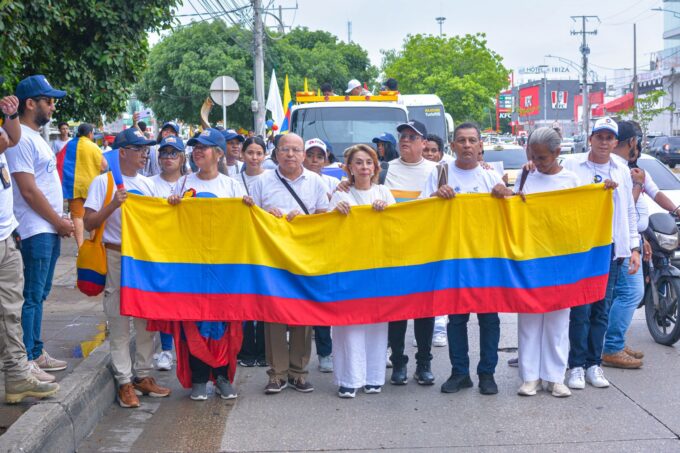
Colombians Involved in Moïse’s Assassination to Face Trial in Miami
The extradition of Colombian nationals implicated in the assassination of Haitian President...
1 Mins read
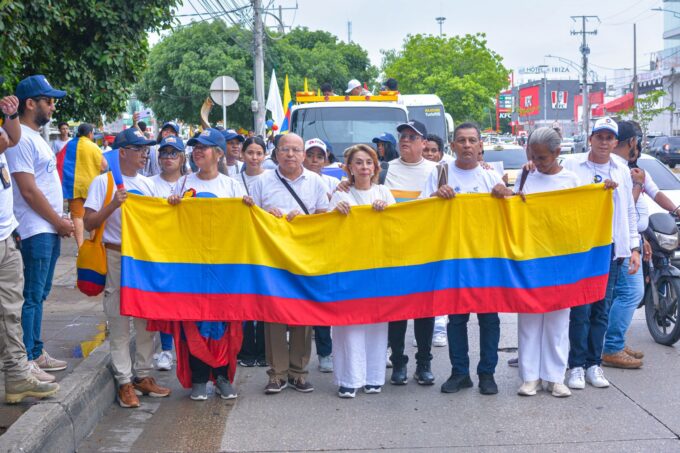


Eighteen Suspects in Assassination of Haiti’s President Extradited to Miami for Trial
The extradition of suspects involved in the assassination of Haiti's President Jovenel...
2 Mins read

Leave a comment