
Record Diesel Prices Impacting U.S. Farmers and Food Prices
MIAMI — September 18, 2026
Record diesel prices in the United States are placing significant pressure on farmers, with potential ramifications for food prices across the nation. As of today, diesel prices have reached unprecedented levels, prompting alarm among agricultural producers who rely heavily on this fuel for their operations.
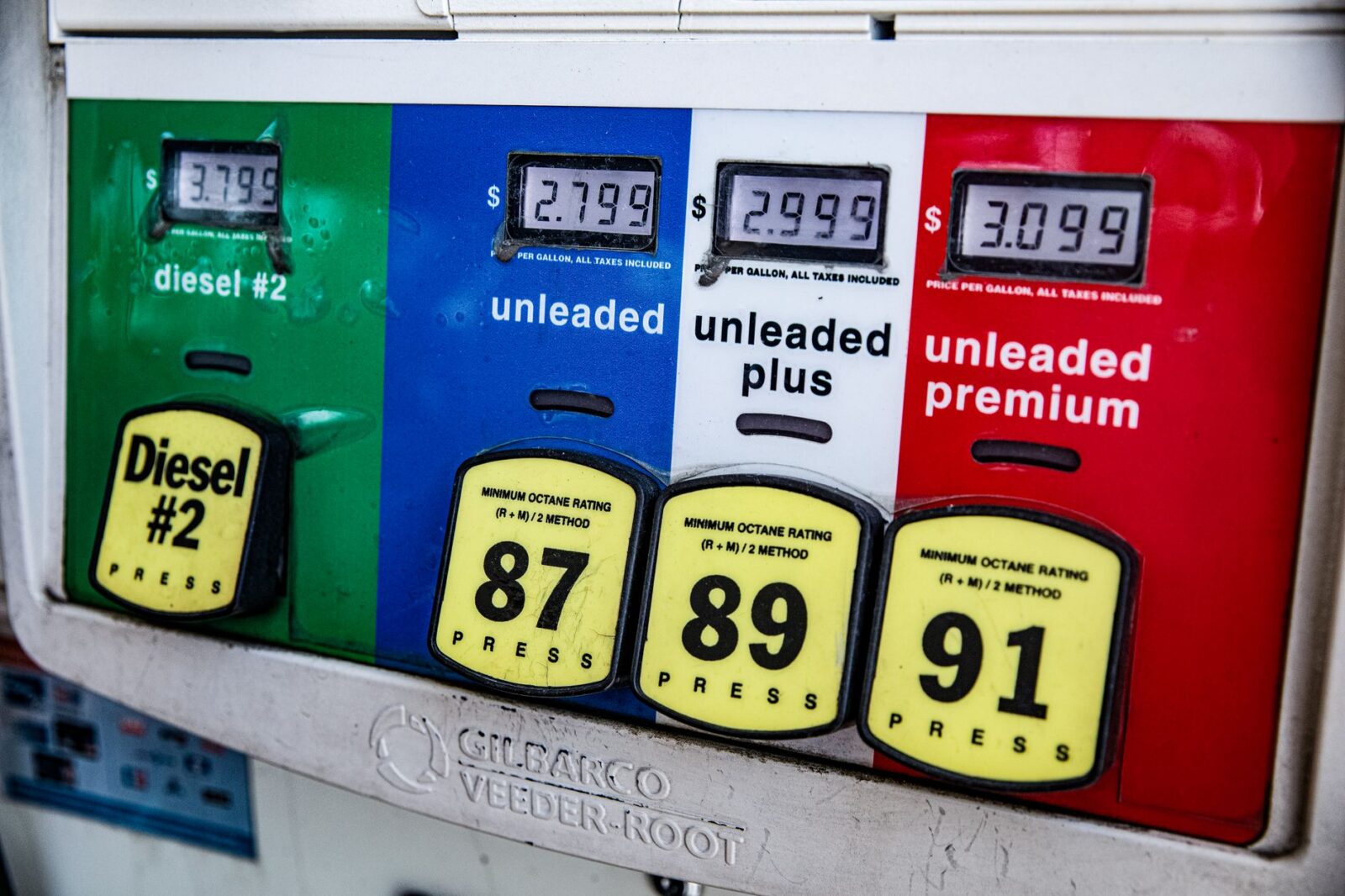
The current average price for diesel fuel has surged to $5.50 per gallon, a stark increase from previous months. This spike is attributed to a combination of factors, including supply chain disruptions, geopolitical tensions affecting oil production, and increased demand as the harvest season approaches. Farmers, particularly those in the Midwest and South, are feeling the brunt of these rising costs, which directly impact their operational expenses.
Key stakeholders in this situation include the American Farm Bureau Federation (AFBF), which has voiced concerns over the implications of high diesel prices on food production. AFBF President Zippy Duvall stated, “Farmers are facing a perfect storm of rising costs, and diesel is a critical component of that equation. If these prices persist, consumers will likely see higher prices at the grocery store.” This statement underscores the interconnectedness of fuel prices and food costs, a relationship that is becoming increasingly strained.
The immediate trigger for this development appears to be a combination of global oil market volatility and domestic supply issues. The U.S. Energy Information Administration (EIA) reported that crude oil prices have also risen, contributing to the overall increase in diesel costs. Additionally, recent hurricanes in the Gulf of Mexico have disrupted oil refining operations, further exacerbating the situation.
This story is receiving heightened attention now due to its potential impact on inflation and food security. With the U.S. economy already grappling with inflationary pressures, the rise in diesel prices could lead to a cascading effect on food prices, which have been on the rise for several months. Analysts predict that if diesel prices remain elevated, consumers may see an increase in food prices by as much as 10% in the coming months.
Locally, this development matters as Florida’s agricultural sector is a significant contributor to the state’s economy. Nationally, it raises concerns about food affordability and security, particularly for low-income families who spend a larger portion of their income on food. Regionally, states that rely heavily on agriculture may face economic challenges if farmers are unable to sustain their operations due to rising costs.
Looking ahead, farmers may need to adjust their planting and harvesting strategies to mitigate the impact of high diesel prices. Some may consider investing in more fuel-efficient machinery or alternative energy sources. Additionally, policymakers may be prompted to explore measures to alleviate the financial burden on farmers, such as subsidies or tax relief. However, the timeline for any such interventions remains uncertain, as discussions are likely to unfold in the coming weeks.
Source: reuters.com










Reimagining the Digital Workspace: Elevate Your Bookmark Experience
Discover how to transform your browser's new tab page into a streamlined...
 2 Mins read

Escalation of US Tariffs on Canadian Dairy Farmers Impacts Exports
Recent increases in US tariffs on Canadian dairy products are significantly affecting...
2 Mins read

Federal Reserve Approves Interest Rate Hike: Implications for the Economy
The Federal Reserve's recent interest rate hike aims to combat inflation, impacting...
2 Mins read



Hawk Kashkari Warns of Persistent Inflation, Advocates for Rate Hikes
Federal Reserve President Neel Kashkari emphasizes the need for continued rate hikes...
2 Mins read

Leave a comment