
A New Chapter for Venezuela: Dialogues on Human Rights and Political Reform
Engaging Conversations in Miraflores
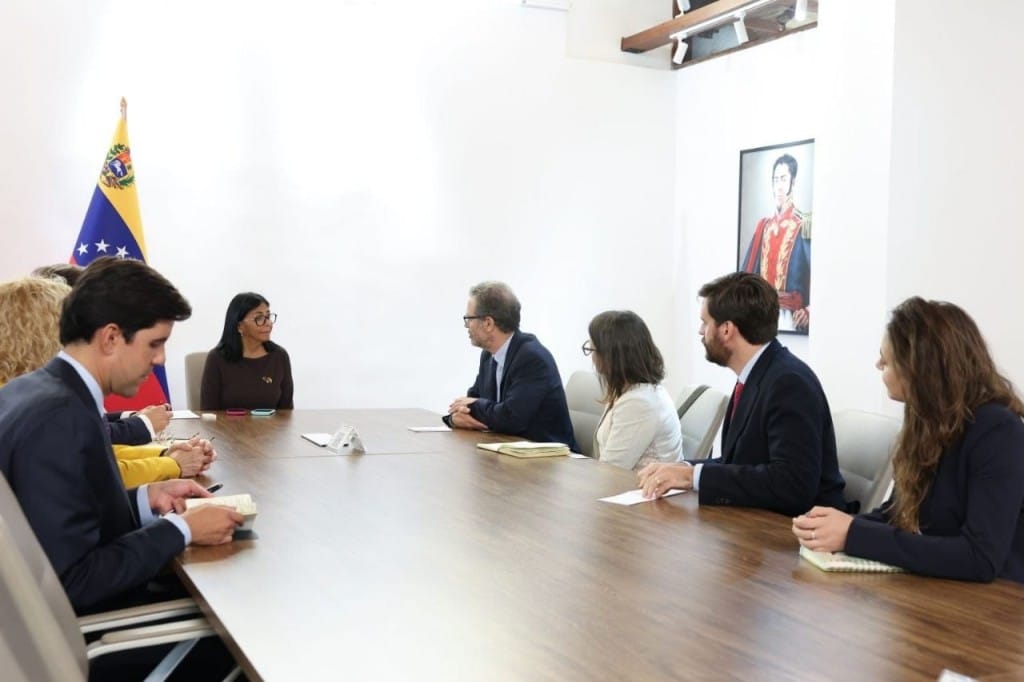
In a significant step towards addressing pressing human rights concerns, Venezuelan interim leader Delcy Rodríguez met with representatives from Human Rights Watch (HRW) at the Miraflores Palace. This meeting signals a potential shift in the country’s political landscape, characterized by a gradual opening after years of turmoil and repression.
Building Bridges for Human Rights
During the meeting, which included key figures such as HRW’s executive deputy director, Federico Borrello, discussions revolved around fundamental guarantees and the promotion of political plurality. The Venezuelan Foreign Ministry highlighted this dialogue as part of broader governmental initiatives aimed at strengthening human rights and fostering a more inclusive political environment.
Steps Towards Political Openness
Recent months have seen Venezuela embark on a path towards increased political openness, marked by the establishment of dialogue tables between the government and various opposition sectors. This initiative is complemented by the release of political prisoners and the lifting of long-standing restrictions on several media outlets that had been inaccessible for years. These movements suggest a commitment, albeit cautious, to engage with both domestic and international stakeholders concerning the state of human rights.
The Call for Reform
HRW’s involvement comes at a critical juncture. Earlier this year, the organization urged Rodríguez’s government to dismantle the state’s repressive apparatus and implement essential electoral, judicial, and legal reforms to ensure free and fair elections. They underscored the necessity of revising the composition of the National Electoral Council (CNE), currently perceived as biased, along with restoring the independence of the judiciary and repealing laws that facilitate human rights violations.
Scrutiny of Past Elections
The credibility of Venezuela’s electoral process has been under scrutiny for years, with allegations of manipulation during past elections. HRW’s analysis of the 2024 presidential elections, particularly the contentious results that declared Nicolás Maduro the victor despite significant opposition claims, calls into question the integrity of the voting process. In contrast, Edmundo González Urrutia, supported by Nobel Peace Prize laureate María Corina Machado, is believed to have garnered the majority of votes, reflecting a potential shift in public sentiment.
Implications for Miami and Beyond
For the vibrant Venezuelan diaspora in Miami, these developments resonate deeply. The community has been closely monitoring the evolving political climate in their homeland, hoping for substantive changes that could lead to improved living conditions and opportunities for those still in Venezuela. The dialogue between the Venezuelan government and HRW may pave the way for meaningful reforms that could eventually impact the socioeconomic dynamics in both Venezuela and the expatriate community in South Florida.
As the situation unfolds, Miami’s Venezuelan residents remain hopeful yet cautious, aware that genuine change requires sustained commitment from their government and support from international bodies. The journey towards human rights and democratic governance is a complex one, but recent dialogues suggest that the path may be opening, bringing with it the promise of a brighter future.
Editorial note: This article was created by A Bit Lavish Miami’s Magazine as an original editorial reinterpretation based on publicly available reporting. Original source: efectococuyo.com. Read the original article here: https://efectococuyo.com/politica/delcy-rodriguez-recibe-en-miraflores-a-representantes-de-human-rights-watch/.
Images are used for editorial reference with source credit. If an image requires correction or removal, please contact A Bit Lavish.






Shooting of Venezuelan DoorDash Driver by ICE Agent in Austin Sparks Protests
The shooting of a Venezuelan DoorDash driver by an ICE agent in...
 2 Mins read
Shooting of Venezuelan Man by ICE Officer in Austin Raises Public Safety Concerns
The shooting incident involving a Venezuelan man by an ICE officer in...
1 Mins read
Venezuela Extradites 18 Suspects in Assassination of Haiti’s President to the U.S.
The extradition of suspects in the assassination of Haiti's president marks a...
2 Mins read


Human Rights Watch Calls on Venezuela to Uphold Basic Rights and Release Political Prisoners
The international human rights organization urges the Venezuelan government to protect fundamental...
2 Mins read

Leave a comment