
Venezuela Extradites 18 Suspects in Assassination of Haiti’s President to the U.S.

MIAMI — September 21, 2026
In a pivotal development for international relations and regional stability, Venezuela has extradited 18 suspects accused in the 2021 assassination of Haiti’s President Jovenel Moïse to the United States. This move, confirmed by NPR on September 21, 2026, underscores the complexities surrounding the case and the broader implications for U.S.-Latin America relations.
The assassination of President Moïse on July 7, 2021, in Port-au-Prince, Haiti, sent shockwaves through the Caribbean nation and raised significant concerns regarding political stability and security in the region. The suspects, who are believed to have played various roles in the assassination, were apprehended in Venezuela, where they had sought refuge following the incident.
The extradition was triggered by a request from U.S. authorities, who have been investigating the assassination and its implications for regional security. The U.S. Department of Justice has been actively pursuing those involved in the plot, emphasizing the need for accountability in the face of such a brazen attack on a democratically elected leader.
Among the suspects extradited are individuals with alleged ties to both Haitian and Colombian networks, which raises questions about the broader geopolitical dynamics at play. The involvement of foreign nationals in the assassination has led to speculation about the motivations behind the attack and the potential for further destabilization in Haiti.
This extradition is significant not only for its immediate implications but also for the evolving relationship between the U.S. and Venezuela. Historically, the U.S. has had a contentious relationship with the Venezuelan government, particularly under the leadership of Nicolás Maduro. However, this cooperation in extraditing suspects may signal a shift in diplomatic engagement, particularly as both nations navigate complex regional challenges.
The attention surrounding this case is heightened by the ongoing humanitarian crisis in Haiti, where political instability has exacerbated issues such as poverty, gang violence, and a lack of basic services. The U.S. has a vested interest in stabilizing Haiti, given its proximity and the potential for spillover effects into neighboring countries.
Looking ahead, the extradited suspects will likely face charges in U.S. courts, where the legal proceedings could reveal further details about the assassination plot and the individuals involved. This case may also prompt discussions about international cooperation in addressing transnational crime and political violence.
As the situation unfolds, the implications for U.S.-Latin America relations, regional security, and the future of Haiti remain critical areas of focus for policymakers and analysts alike.
Source: NPR






Human Rights Watch Calls on Venezuela to Uphold Basic Rights and Release Political Prisoners
The international human rights organization urges the Venezuelan government to protect fundamental...
 2 Mins read
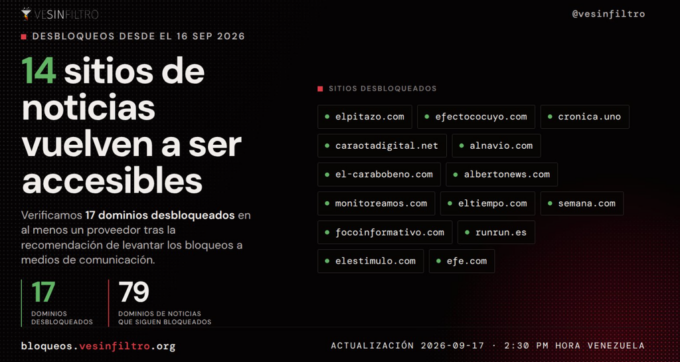
A Glimmer of Hope: The Partial Unblocking of Media Domains in Venezuela
In a recent move, Venezuela's government has unblocked a small percentage of...
2 Mins read
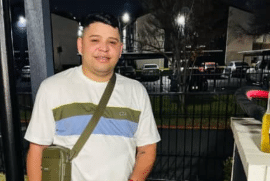
A Call for Justice: The Tragic Case of Wilber Rafael Garcés
The harrowing incident involving Venezuelan migrant Wilber Rafael Garcés raises urgent questions...
2 Mins read


Trump Meets Venezuela’s Delcy Rodríguez to Finalize Historic Oil Deal
The meeting between Trump and Rodríguez marks a pivotal moment in U.S.-Venezuela...
2 Mins read

Leave a comment