
Archaeologists Race Against Time to Save Centuries-Old Artifacts in Alaska After Typhoon Halong
ANCHORAGE — September 19, 2026
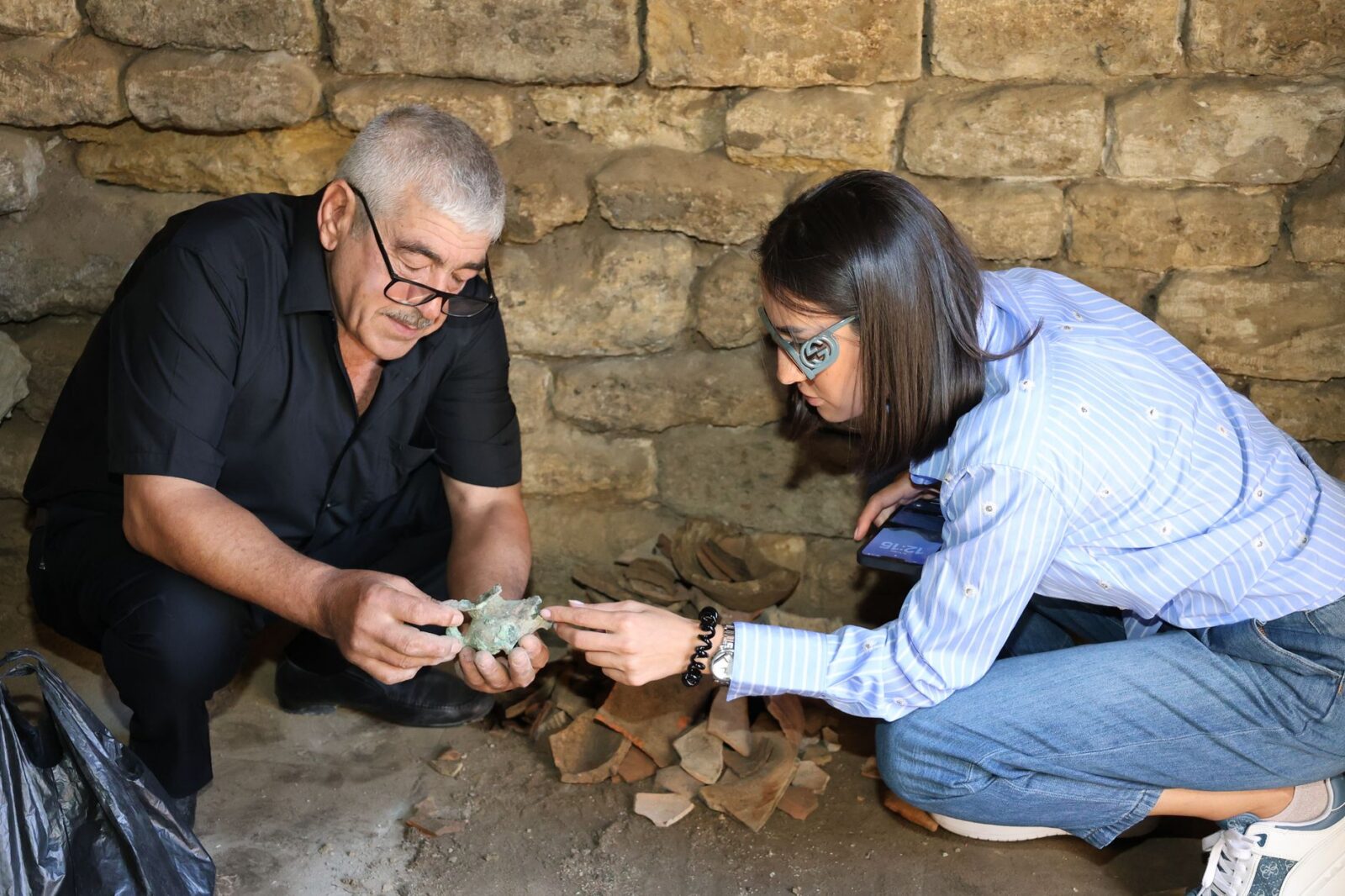
In a race against time, archaeologists in Alaska are urgently working to recover centuries-old artifacts that were scattered and damaged by Typhoon Halong, which struck the region earlier this week. The storm, which made landfall on September 17, 2026, has raised significant concerns about the preservation of cultural heritage in the face of increasingly severe climate events.
The artifacts in question are believed to be remnants of ancient Indigenous cultures, providing invaluable insights into the history and traditions of the region. The storm’s high winds and heavy rains have not only displaced these artifacts but have also caused extensive damage to archaeological sites along the Alaskan coast.
Local archaeologists, alongside federal and state agencies, have mobilized quickly to assess the damage and recover as many artifacts as possible. The urgency of their efforts is underscored by the potential loss of irreplaceable historical items that could provide critical information about the lives of Indigenous peoples in Alaska.
Typhoon Halong, classified as a strong tropical storm, has been linked to broader climate change patterns that are increasingly affecting weather systems in the Arctic region. This incident is part of a worrying trend where climate-related events are threatening cultural sites and artifacts worldwide, prompting calls for enhanced protective measures.
The Alaska Office of History and Archaeology has reported that the storm caused significant erosion and flooding in several key archaeological sites, making immediate recovery efforts essential. Archaeologists are utilizing both traditional methods and modern technology, including drones and ground-penetrating radar, to locate and document the displaced artifacts.
This situation is drawing national attention as it highlights the intersection of climate change and cultural preservation. The loss of historical artifacts not only diminishes our understanding of the past but also impacts the cultural identity of Indigenous communities. As such, this event serves as a stark reminder of the urgent need for policies that address climate change and protect vulnerable cultural heritage.
Looking ahead, the immediate focus will be on recovery efforts, with archaeologists hoping to salvage as many artifacts as possible before they are lost to further erosion or weather events. Long-term, this incident may catalyze discussions on the need for comprehensive strategies to protect archaeological sites from the impacts of climate change, potentially leading to new legislation or funding initiatives aimed at cultural preservation.
Source: streamlinefeed.co.ke










Hollywood Celebrates the Opening of the Lucas Museum of Narrative Art
The Lucas Museum of Narrative Art officially opened its doors, marking a...
 1 Mins read

High School Teacher Uncovers Rare T. Rex Tracks in Pivotal Paleontological Discovery
A high school science teacher's remarkable find of rare T. Rex tracks...
2 Mins read

Remembering Peter Max: The Psychedelic Pop Art Icon Who Defined a Generation
Explore the life and legacy of Peter Max, the artist who fused...
 ABL2 Mins read


Unearthing the Past: The Rich Tapestry of Chimú Culture in Peru
Explore the significance of a recently discovered funerary platform in Peru, shedding...
ABL2 Mins read

Leave a comment