
Younger Wealthy Consumers Redefining Luxury Through Beauty, Experiences, and Technology
MIAMI — September 20, 2026
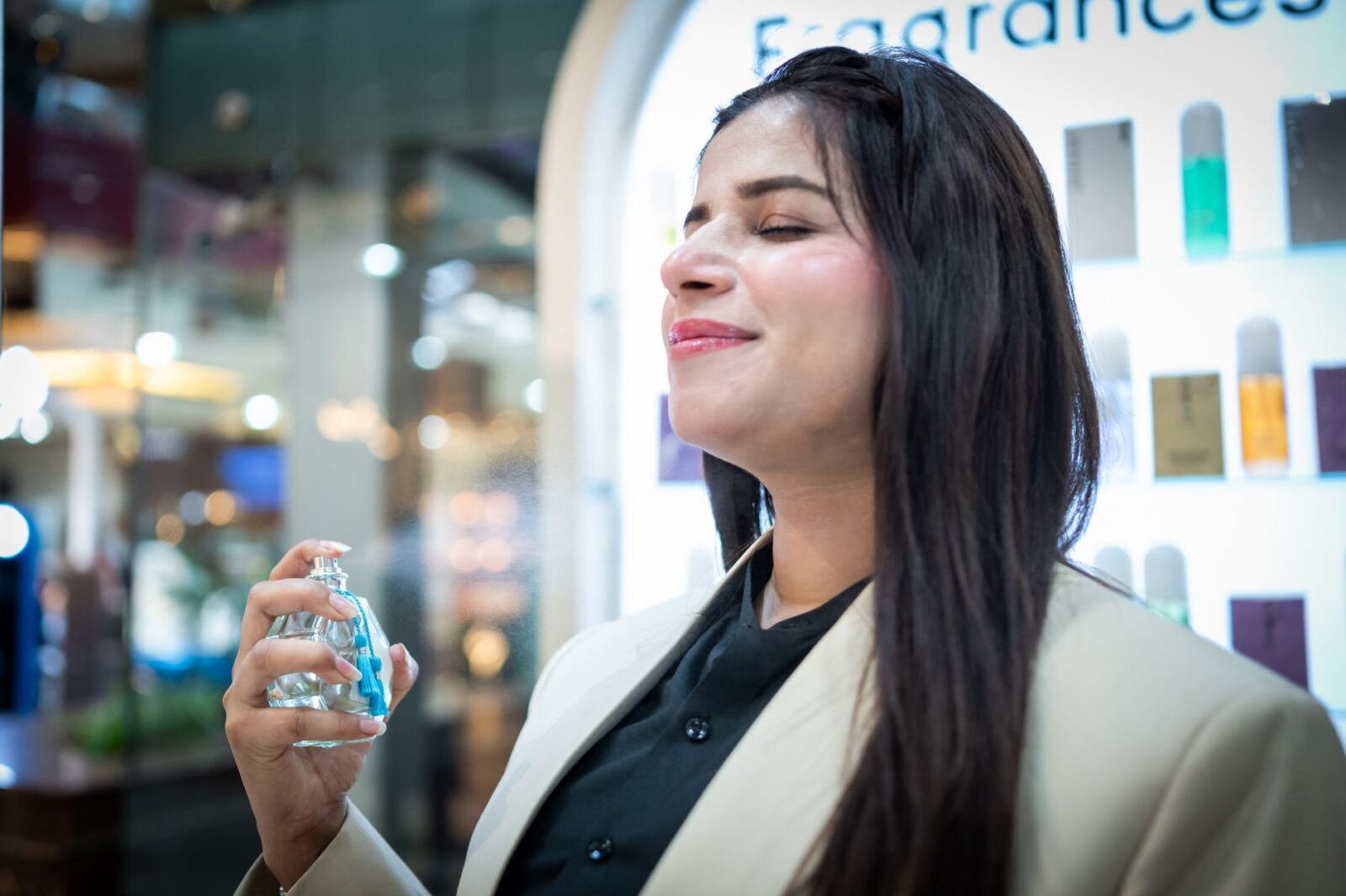
Recent insights published today highlight a significant shift in the luxury market, driven by younger affluent consumers who are redefining what luxury means in the modern age. This transformation is characterized by a growing emphasis on beauty, unique experiences, and advanced technology, marking a departure from traditional luxury markers such as status symbols and material possessions.
The report, titled “Global Lifestyle Trends 2026: What Canada’s Affluent Consumers and Investors Should Watch Next,” was released by Kalkine Media and provides a comprehensive overview of the evolving preferences of wealthy consumers, particularly those in the millennial and Gen Z demographics. This demographic shift is occurring against a backdrop of changing societal values and technological advancements that are reshaping consumer behavior.
Key findings from the report indicate that younger consumers are increasingly prioritizing experiences over possessions. This trend is evident in their spending patterns, where investments in travel, wellness, and personalized experiences are becoming more prevalent. For instance, luxury travel experiences that offer unique cultural immersions or wellness retreats are now seen as more desirable than traditional luxury goods.
Moreover, the report emphasizes the role of technology in this transformation. Younger affluent consumers are leveraging digital platforms to curate their luxury experiences, seeking out brands that offer seamless online interactions and personalized services. The integration of technology into luxury shopping experiences—such as virtual reality showrooms and AI-driven personal shopping assistants—has become a critical factor in attracting this demographic.
As a result, luxury brands are compelled to adapt their strategies to align with these new consumer expectations. Companies that fail to innovate and embrace these changes risk losing relevance in a rapidly evolving market. The report suggests that brands should focus on sustainability, authenticity, and community engagement to resonate with younger consumers.
This development is receiving heightened attention now as the luxury market continues to recover from the impacts of the COVID-19 pandemic, which has accelerated many of these trends. As affluent consumers emerge from the pandemic with altered priorities, understanding their preferences becomes crucial for industry stakeholders.
Locally, this shift is significant for Miami’s luxury market, which has seen a surge in affluent residents and tourists seeking unique experiences. Nationally and globally, the implications are profound, as brands and investors must navigate this new landscape to remain competitive.
Looking ahead, we can expect to see further innovations in luxury marketing and product offerings that cater to these evolving consumer preferences. Brands that successfully integrate beauty, experience, and technology into their value propositions will likely lead the market, while those that cling to outdated notions of luxury may struggle to survive.
Source: kalkine.ca









The RealReal Expands Luxury Resale Market with First Massachusetts Store
The RealReal's inaugural store in Chestnut Hill marks a pivotal moment for...
 2 Mins read
Discover the Newest Waterproof Gadgets that Come on Sale
I understand how that could positively effect your body, but alchemizing means...
 ABL2 Mins read
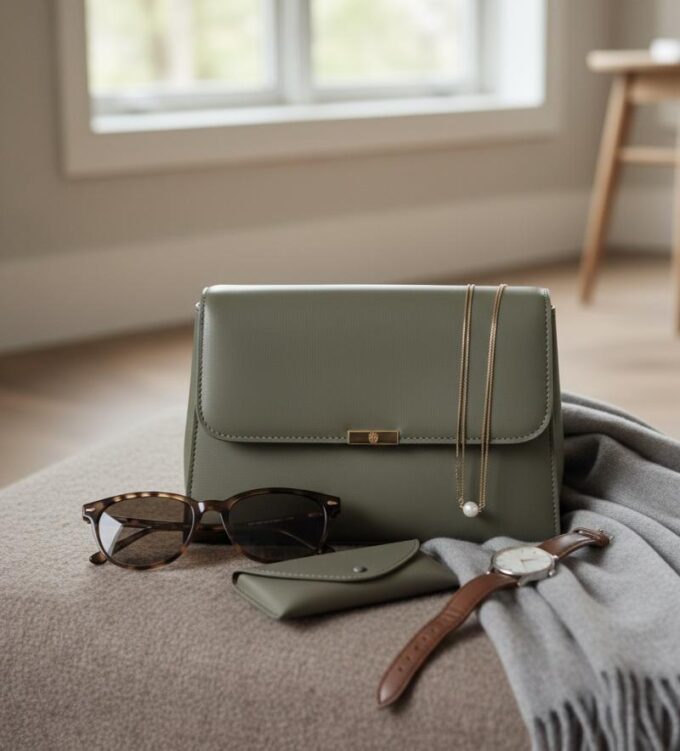
Quiet Luxury Accessories Market Reaches Record High
The Rise of Quiet-Luxury Accessories: A Comprehensive Market Analysis In recent years,...
ABL2 Mins read



Consumer Harm is Escalating as Luxury Goods Sales Surge via Live Broadcasts on Platforms like Facebook and TikTok
Crackdown on Trademark Infringement in Live Broadcasting: A Growing Concern In recent...
ABL2 Mins read

Leave a comment