
Elections in Two German States Signal Potential Shift in Political Landscape

BERLIN — September 20, 2026
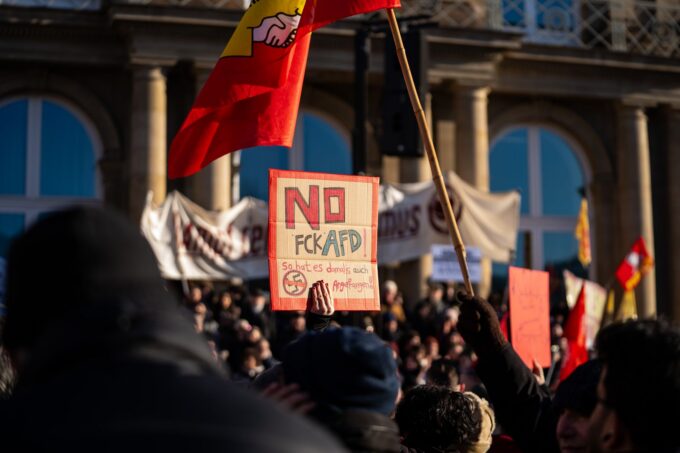
Today, voters in the German states of Brandenburg and Saxony head to the polls in elections that could have significant implications for the political landscape in Germany and the broader European Union. These elections are particularly critical for Chancellor Friedrich Merz and the far-right Alternative for Germany (AfD) party, which has been gaining traction in recent months.
The elections come at a time when the AfD has seen a surge in support, raising concerns among traditional parties about the potential for a shift in voter sentiment. This is the first major electoral test for Merz since he took office as Chancellor earlier this year, and the outcomes could either bolster his leadership or challenge his authority.
Context
Historically, both Brandenburg and Saxony have been strongholds for the AfD, particularly in the wake of the refugee crisis and ongoing economic challenges. The party’s rise has been fueled by discontent with mainstream parties, which many voters feel have failed to address their concerns regarding immigration, economic stability, and public safety.
Details
Polling stations opened at 8 AM local time and will close at 6 PM, with preliminary results expected shortly thereafter. The elections are being closely monitored, not only for their immediate impact on state politics but also for their potential ramifications on national governance. According to recent polls, the AfD is projected to secure a significant share of the vote, potentially surpassing the 30% mark in both states.
The stakes are high for Merz, who has been criticized for his handling of various issues, including economic policy and immigration. The Chancellor’s Christian Democratic Union (CDU) is facing a tough battle against the AfD, which has capitalized on public dissatisfaction. If the AfD performs well, it could embolden the party and lead to increased influence in the Bundestag, Germany’s federal parliament.
Significance
The outcomes of these elections are receiving heightened attention not only in Germany but across Europe, as they may signal a broader trend of increasing support for far-right parties in the region. Analysts suggest that a strong showing by the AfD could lead to a reevaluation of coalition dynamics within the German government and potentially shift the political discourse in Europe towards more nationalist and populist policies.
What Happens Next
As the results come in, political analysts will be scrutinizing the implications for Merz’s government and the future of the CDU. Should the AfD achieve significant victories, it may prompt a reassessment of strategies among traditional parties in Germany and could influence upcoming elections in other European nations. The political landscape in Germany is at a crossroads, and today’s elections could set the tone for the future of governance in the country.
Source: Reuters










House Republican Leadership Critiques Trump’s Immigration Policies Amid Party Divisions
Recent statements from House Republicans highlight growing divisions over immigration enforcement policies...
 2 Mins read
Germany’s Far-Right AfD Secures Another State Election Win, Intensifying Pressure on Chancellor Merz
The far-right Alternative for Germany (AfD) party has achieved a significant victory...
2 Mins read

Russia Orders Assassinations on U.S. Soil: A Geopolitical Alarm
The recent revelation of Russia's orders for assassinations on U.S. soil raises...
2 Mins read



Trump Proposes Military Complex Within New Arch, Raising Geopolitical Concerns
The announcement of a military complex housing drones and snipers within Trump's...
2 Mins read

Leave a comment