
Germany’s Far-Right AfD Secures Another State Election Win, Intensifying Pressure on Chancellor Merz
BERLIN — September 20, 2026
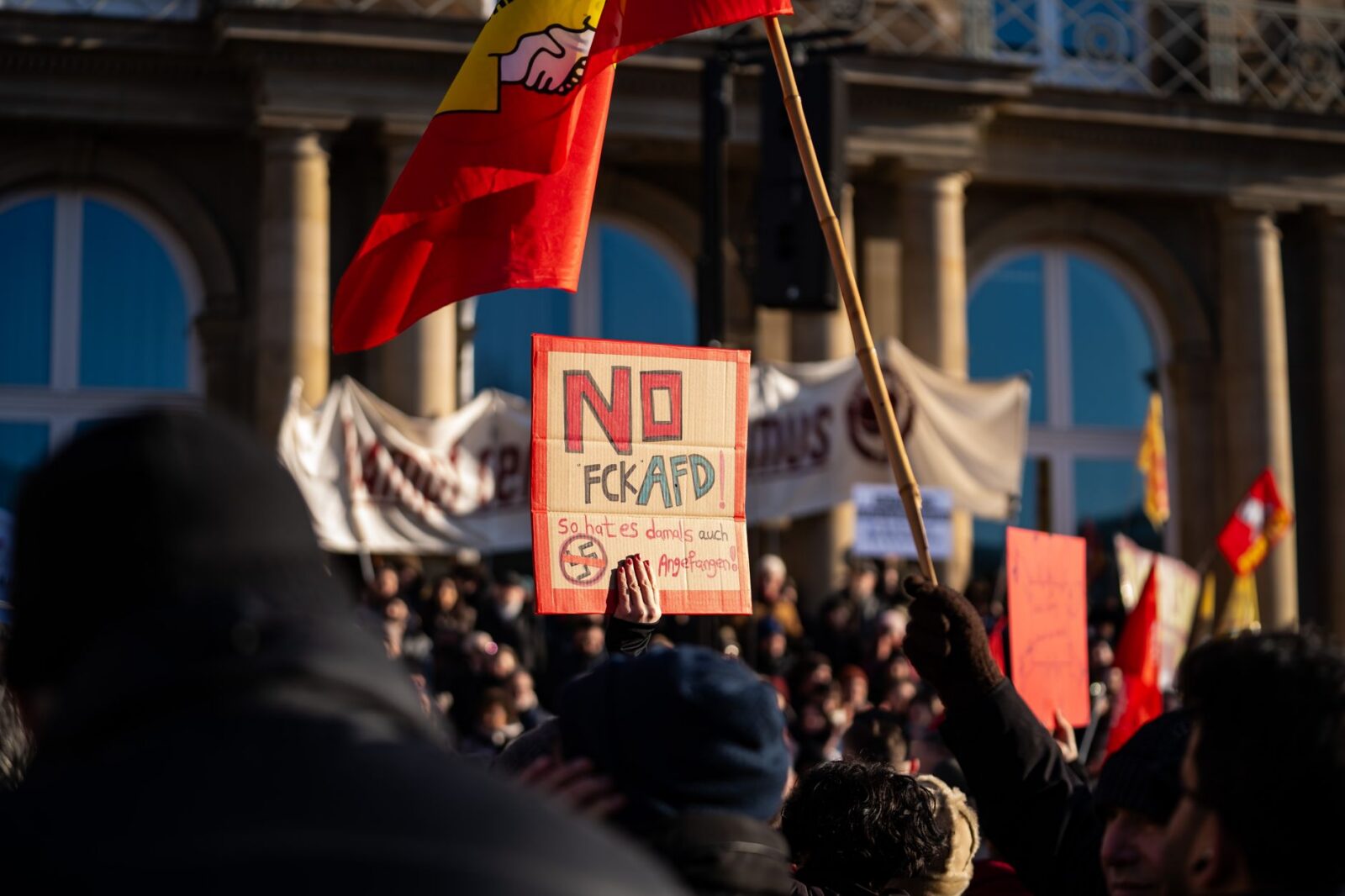
In a notable political development, Germany’s far-right Alternative for Germany (AfD) party has won another state election, as indicated by exit polls released on September 20, 2026. This victory is poised to exert considerable pressure on Chancellor Friedrich Merz and his government, reflecting a growing trend of right-wing populism in Germany and across Europe.
The election took place in the state of Saxony, where the AfD has capitalized on rising public discontent over issues such as immigration, economic instability, and security concerns. The party’s success in Saxony marks a continuation of its upward trajectory, having previously gained significant ground in other regional elections throughout the country.
Chancellor Merz, who leads the Christian Democratic Union (CDU), faces increasing scrutiny as the AfD’s popularity challenges traditional party dynamics. The AfD’s electoral gains are attributed to a combination of factors, including dissatisfaction with the current government’s handling of economic issues and a perceived lack of effective responses to immigration challenges.
According to the exit polls, the AfD secured approximately 30% of the vote in Saxony, a significant increase compared to previous elections. This development is particularly alarming for the CDU, which has seen its support wane in the face of the AfD’s rising influence. The implications of this election extend beyond Saxony, as it signals a potential shift in the political landscape of Germany, where the AfD could play a pivotal role in future coalition negotiations.
The significance of this election win cannot be overstated. It highlights a broader trend of right-wing populism gaining traction in Europe, as similar parties have seen increased support in neighboring countries. The AfD’s rise poses challenges not only for the CDU but also for the stability of the German political system, which has historically been characterized by centrist governance.
As the political ramifications unfold, Chancellor Merz will need to address the concerns raised by voters that have turned to the AfD. This may involve reevaluating his party’s policies on immigration and economic management to regain lost support. The next steps for the CDU will likely include strategic discussions on how to counter the AfD’s narrative and re-engage with disillusioned voters.
In conclusion, the AfD’s electoral victory in Saxony is a critical moment in German politics, reflecting shifting public sentiments and the challenges facing traditional parties. As the situation develops, all eyes will be on Chancellor Merz and his administration’s response to this growing political force.
Source: CNN









Germany’s Far-Right AfD Leads in State Election, Signaling Political Shift
The Alternative for Germany (AfD) party has emerged as a frontrunner in...
 2 Mins read

Trump Proposes Conversion of Historic Triumphal Arch into Military Complex
The proposal to transform a historic landmark into a military facility raises...
1 Mins read

House Republican Leadership Critiques Trump’s Immigration Policies Amid Party Divisions
Recent statements from House Republicans highlight growing divisions over immigration enforcement policies...
2 Mins read



Russia Orders Assassinations on U.S. Soil: A Geopolitical Alarm
The recent revelation of Russia's orders for assassinations on U.S. soil raises...
2 Mins read

Leave a comment