
Lucas Museum Opens with Star-Studded Gala, Signaling a New Era in Art Institutions

LOS ANGELES — September 20, 2026
The Lucas Museum of Narrative Art officially opened its doors on September 20, 2026, with a star-studded gala that attracted luminaries from the worlds of art, film, and philanthropy. This event marks a pivotal moment in the cultural landscape, as the museum aims to redefine the narrative art genre and establish itself as a significant institution in the art world.
Located in Los Angeles, the museum is the brainchild of filmmaker George Lucas and his wife, Mellody Hobson. The couple has invested over $1 billion in the project, which has been in development since 2015. The museum’s mission is to celebrate the art of storytelling through various mediums, including film, literature, and visual arts, thereby bridging the gap between traditional art forms and contemporary narrative practices.
The opening gala featured a range of high-profile attendees, including actors, directors, and artists, all coming together to celebrate the launch of this new cultural institution. Notable figures included Oscar-winning director Steven Spielberg, actress Natalie Portman, and artist Kehinde Wiley, among others. The event showcased the museum’s inaugural exhibition, which includes works from renowned artists and filmmakers, emphasizing the intersection of art and narrative.
The Lucas Museum’s establishment comes at a time when the art world is increasingly focused on inclusivity and diversity in storytelling. This initiative is expected to resonate with a broad audience, particularly younger generations who seek new forms of artistic expression. The museum’s programming will include educational initiatives, workshops, and community engagement efforts aimed at fostering a deeper understanding of narrative art.
Why is this development receiving attention now? The opening of the Lucas Museum is significant not only for its ambitious vision but also for its potential impact on the art and collectibles market. As institutions like this emerge, they can influence trends in art valuation and collecting, particularly in the realm of narrative-driven works.
On a broader scale, the Lucas Museum represents a shift in how art institutions can operate, focusing on narrative as a central theme. This could inspire other museums to adopt similar approaches, potentially transforming the landscape of cultural institutions globally.
Looking ahead, the Lucas Museum is poised to become a hub for innovation in narrative art. Future exhibitions and programs are expected to attract both local and international audiences, further solidifying its place in the art world. As the museum develops its identity and programming, it will be crucial to monitor its influence on the art market and its role in shaping cultural discourse.
Source: IMDb









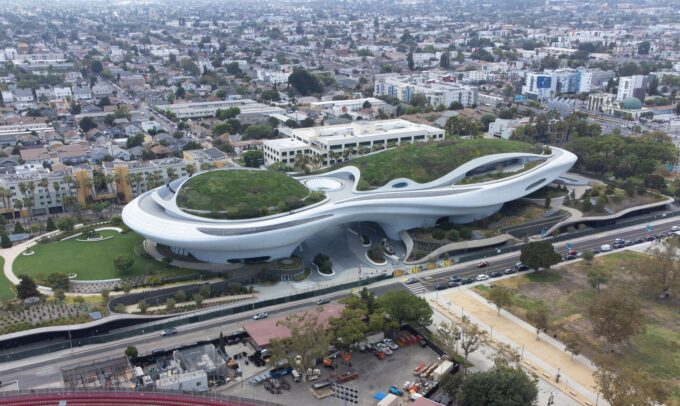
Hollywood Celebrates the Opening of the Lucas Museum of Narrative Art
The Lucas Museum of Narrative Art officially opened its doors, marking a...
 1 Mins read
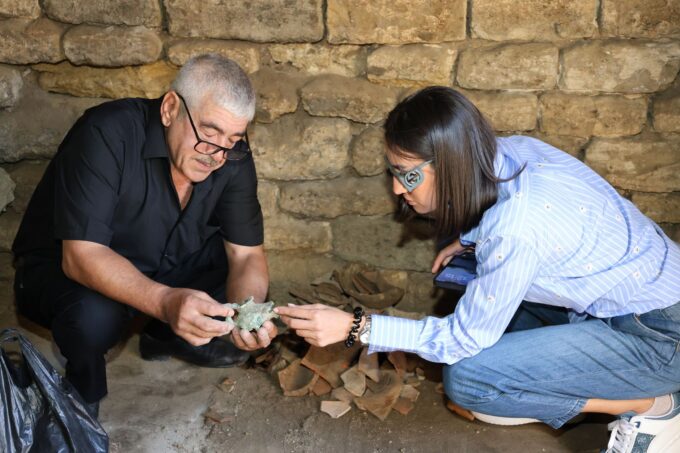
Archaeologists Race Against Time to Save Centuries-Old Artifacts in Alaska After Typhoon Halong
Urgent efforts are underway to recover invaluable historical artifacts scattered by Typhoon...
1 Mins read

High School Teacher Uncovers Rare T. Rex Tracks in Pivotal Paleontological Discovery
A high school science teacher's remarkable find of rare T. Rex tracks...
2 Mins read


Remembering Peter Max: The Psychedelic Pop Art Icon Who Defined a Generation
Explore the life and legacy of Peter Max, the artist who fused...
 ABL2 Mins read

Leave a comment