
Pro-Putin United Russia Party Retains Majority in National Parliament Elections
MOSCOW — September 21, 2026
The Pro-Putin United Russia party has retained its majority in the national parliament following elections held on September 21, 2026. This outcome is pivotal for the political landscape of Russia, reinforcing the party’s dominance and President Vladimir Putin’s influence over the country’s governance.
The elections took place amid a backdrop of heightened scrutiny regarding electoral integrity and political freedoms in Russia. The United Russia party, which has been in power since its formation in 2001, has faced criticism for its handling of dissent and the suppression of opposition parties. Despite these challenges, the party’s ability to secure a majority indicates a continued consolidation of power.
According to preliminary results, the United Russia party has garnered approximately 60% of the votes, allowing it to maintain a commanding presence in the State Duma, the lower house of parliament. This majority is crucial for the party as it enables the passage of legislation aligned with the Kremlin’s agenda without significant opposition.
The elections were characterized by allegations of voter suppression and irregularities, with independent observers noting a lack of transparency in the voting process. The Kremlin has dismissed these allegations, asserting that the elections were conducted fairly and in accordance with Russian law.
This development is receiving significant attention not only within Russia but also internationally. Analysts are closely monitoring the implications of the United Russia party’s continued dominance, particularly in light of ongoing geopolitical tensions and economic challenges facing the country. The retention of power by the Pro-Putin party is likely to influence Russia’s foreign policy, especially regarding its relations with the West and its involvement in conflicts such as the ongoing situation in Ukraine.
Locally, this outcome may further entrench the existing political structure, limiting the prospects for genuine political reform or opposition growth. Nationally, it underscores the challenges faced by dissenting voices and the potential for increased state control over political discourse.
Looking ahead, the United Russia party’s majority will enable it to push forward with its legislative agenda, which may include further centralization of power and continued investment in military capabilities. The next parliamentary session will likely see discussions on key issues such as economic policy, social welfare, and national security, all of which will be influenced by the party’s unwavering grip on power.
Source: NewsBytes




Iran Warns of Expanding War Geography in Response to U.S. Actions
Iran's recent warning about altering the geography of war highlights escalating tensions...
 2 Mins read
Iran Warns of Expanded War Geography Amid U.S. Tensions
Iran's recent warning regarding the expansion of the war geography in response...
2 Mins read
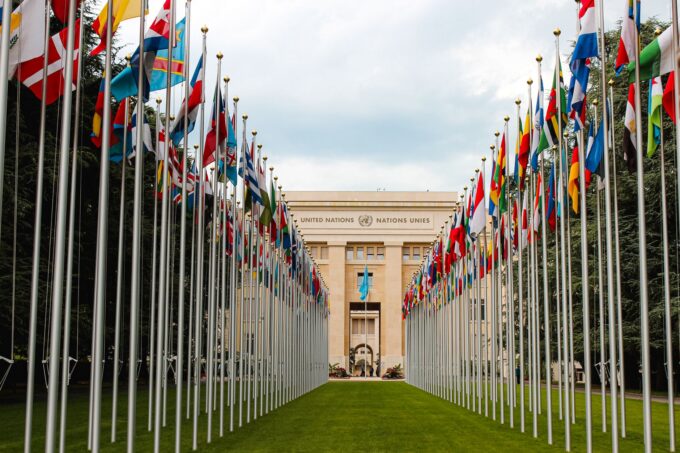
World Leaders Convene at UN to Address Global Crises
The United Nations General Assembly gathers to tackle pressing issues including war,...
2 Mins read


Iran Warns of Expanding War Geography Amid U.S. Tensions
Iran's recent warning about the potential expansion of conflict geography signals a...
1 Mins read

Leave a comment