
Iran Warns of Expanding War Geography Amid U.S. Tensions
TEHRAN — September 21, 2026
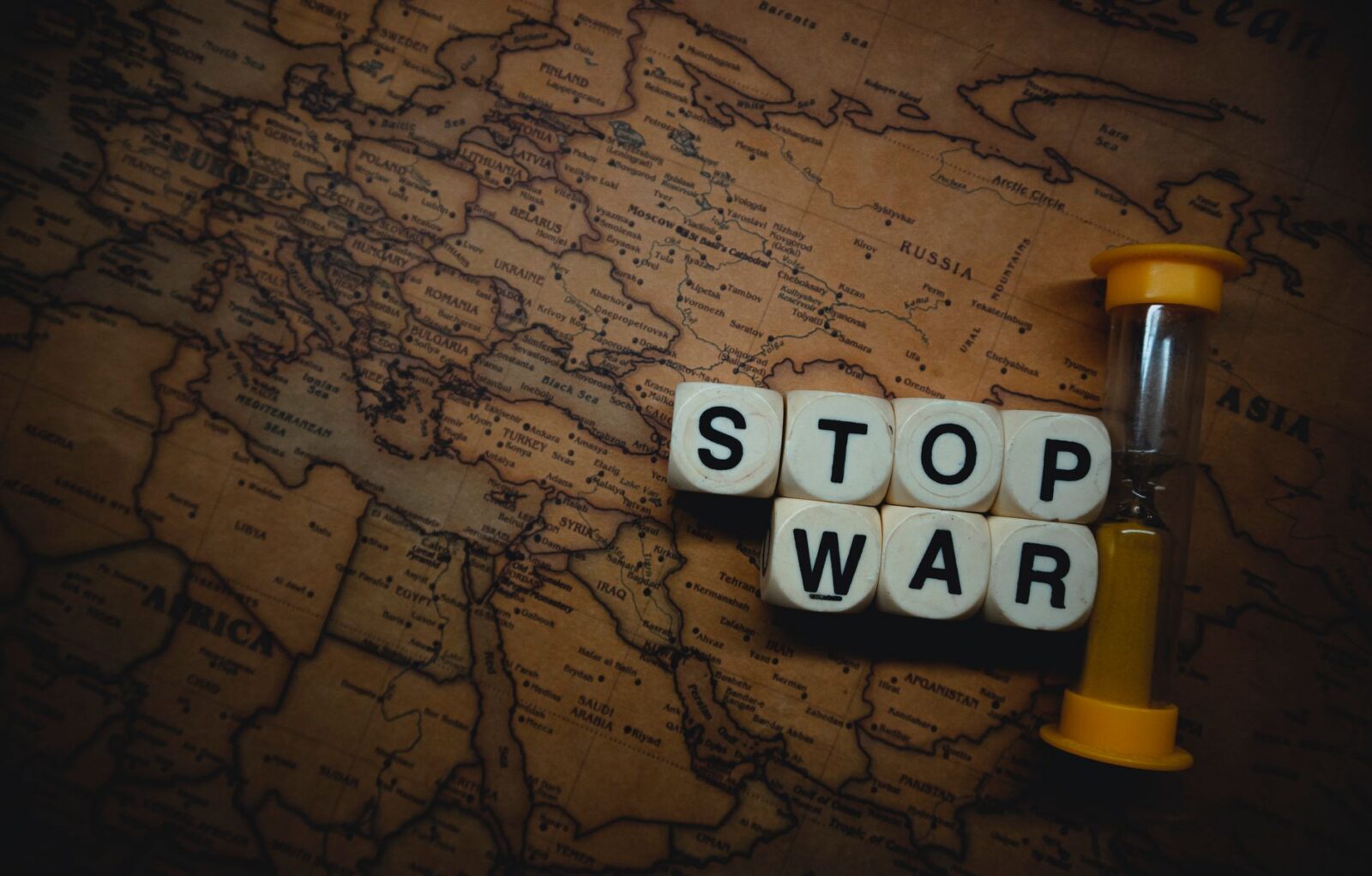
In a stark warning issued on September 21, 2026, Iranian officials declared that any new military assault by the United States would result in an expansion of the “geography of the war.” This statement underscores a critical escalation in the already heightened tensions between Iran and the U.S., raising concerns about potential broader conflict in the region.
The warning comes in the wake of increasing military posturing by the United States, which has been conducting operations in the Middle East amid ongoing concerns regarding Iran’s nuclear program and its influence in regional conflicts. Iranian military leaders have indicated that they are prepared to respond decisively to any perceived threats, suggesting that their military capabilities could extend beyond their immediate borders if provoked.
This development is particularly significant given the historical context of U.S.-Iran relations, which have been fraught with tension since the 1979 Iranian Revolution. The U.S. has imposed various sanctions on Iran, aimed at curtailing its nuclear ambitions and regional activities, while Iran has consistently maintained that it will defend its sovereignty against foreign aggression.
Iran’s warning reflects a broader strategy to deter U.S. military actions by signaling that any attack would not be contained within Iran’s borders. This rhetoric is likely aimed at rallying domestic support and demonstrating Iran’s military resolve to both its citizens and its adversaries.
As of now, the U.S. has not publicly responded to Iran’s latest warning. However, the potential for military escalation remains a pressing concern for regional stability. Analysts suggest that the U.S. may need to reassess its military strategy in the region to avoid provoking a conflict that could spiral out of control.
This situation is drawing significant attention not only for its immediate implications but also for its potential to affect global oil markets and international diplomatic relations. Should hostilities escalate, the repercussions could be felt far beyond the Middle East, impacting global economic stability and security alliances.
Looking ahead, the international community will be closely monitoring developments. Diplomatic efforts may intensify in an attempt to de-escalate tensions, but the risk of miscalculation remains high. The next steps will likely involve a combination of military readiness and diplomatic overtures, as both nations navigate this precarious situation.
Source: AOL.com









Major News Organizations Sue Trump Over Denied White House Access
CNN, MS NOW, and Politico have initiated legal action against former President...
 2 Mins read
Global Leaders Converge at UN to Address War, AI, and Climate Shocks
World leaders gather at the United Nations to tackle pressing global issues...
2 Mins read
Iran Issues Stark Warning of Expanded Military Targets in Response to U.S. Actions
Iran has signaled a potential escalation in military readiness, warning of new...
2 Mins read


Trump Proposes ‘Top Grade Military Complex’ in Iran
Former President Donald Trump's recent statement regarding a proposed military complex in...
2 Mins read

Leave a comment