
Justice Department Defends Press Ban Citing National Security Risks
MIAMI — September 23, 2026
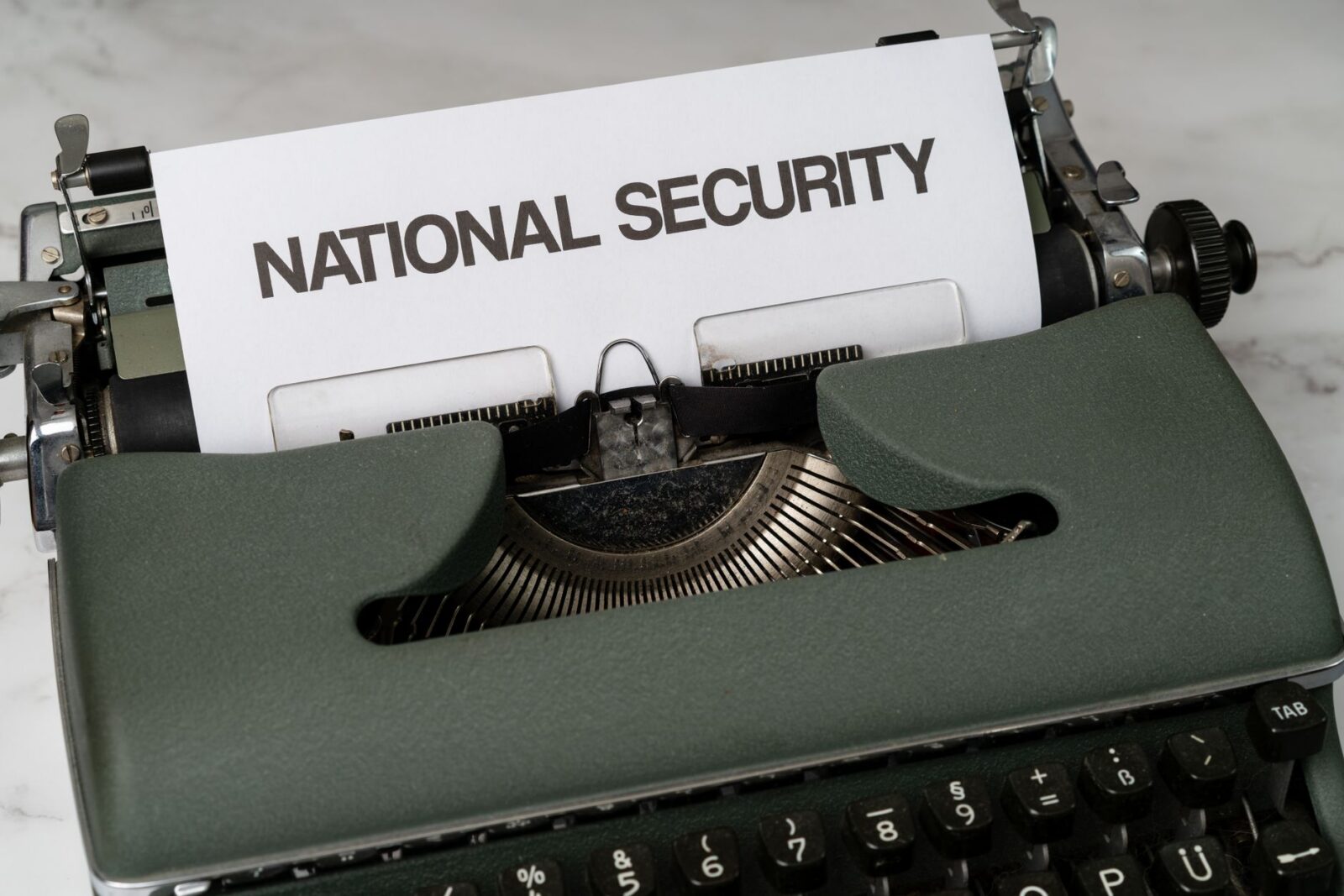
The U.S. Department of Justice (DOJ) has recently defended a controversial press ban, arguing that certain media coverage related to former President Donald Trump’s business dealings and the ongoing conflict with Iran poses significant national security risks. This development, reported on September 23, 2026, has sparked renewed discussions about the balance between press freedom and governmental transparency.
The DOJ’s defense centers on allegations that specific stories concerning Trump’s ballroom project and its potential ties to foreign interests could compromise national security. The DOJ contends that the publication of sensitive information could jeopardize ongoing investigations and diplomatic relations, particularly in light of heightened tensions with Iran.
This legal argument comes at a time when press freedom is under scrutiny, with various advocacy groups expressing concern over the implications of such a ban. The American Civil Liberties Union (ACLU) and other organizations have criticized the DOJ’s stance, asserting that it undermines the First Amendment rights of journalists and the public’s right to know.
The DOJ’s position is particularly significant given the historical context of press freedom in the United States. The First Amendment has long been interpreted as a safeguard against government censorship, yet the current administration appears to be prioritizing national security over these constitutional protections. This raises critical questions about the limits of governmental authority in regulating the press.
As the situation unfolds, the implications of the DOJ’s defense could resonate beyond the immediate legal framework. The balance between national security and press freedom is a contentious issue that affects not only journalists but also the public’s access to information. The outcome of this case could set a precedent for future interactions between the government and the media.
In the coming days, legal experts anticipate potential challenges to the DOJ’s arguments, as journalists and advocacy groups prepare to contest the ban in court. The judiciary’s response will be crucial in determining whether the press ban will remain in effect or be lifted, thereby impacting the broader discourse on press freedom in America.
As this story continues to develop, it is essential for stakeholders to monitor the legal proceedings closely. The implications of this case could redefine the landscape of press freedom and national security in the United States, making it a pivotal moment for both journalists and policymakers alike.
Source: cnn.com









Trump Threatens to ‘Annihilate’ Iran in UN Address: A Geopolitical Flashpoint
In a provocative speech at the United Nations, former President Donald Trump...
 2 Mins read

Trump Meets Venezuela’s Rodriguez, Supports Diesel Export Ban
The meeting between Donald Trump and Venezuela's Rodriguez marks a pivotal moment...
2 Mins read
Trump’s Annihilation Threat Against Iran Dominates UN Address
In a provocative speech at the United Nations, President Trump issued a...
2 Mins read



Trump Issues Stark Threat to Iran During UN Address Amid Ongoing Diplomatic Talks
In a provocative address at the United Nations, former President Donald Trump...
1 Mins read

Leave a comment