
DoorDash Settles with New York City for $131.5 Million Over Delivery Workers’ Pay
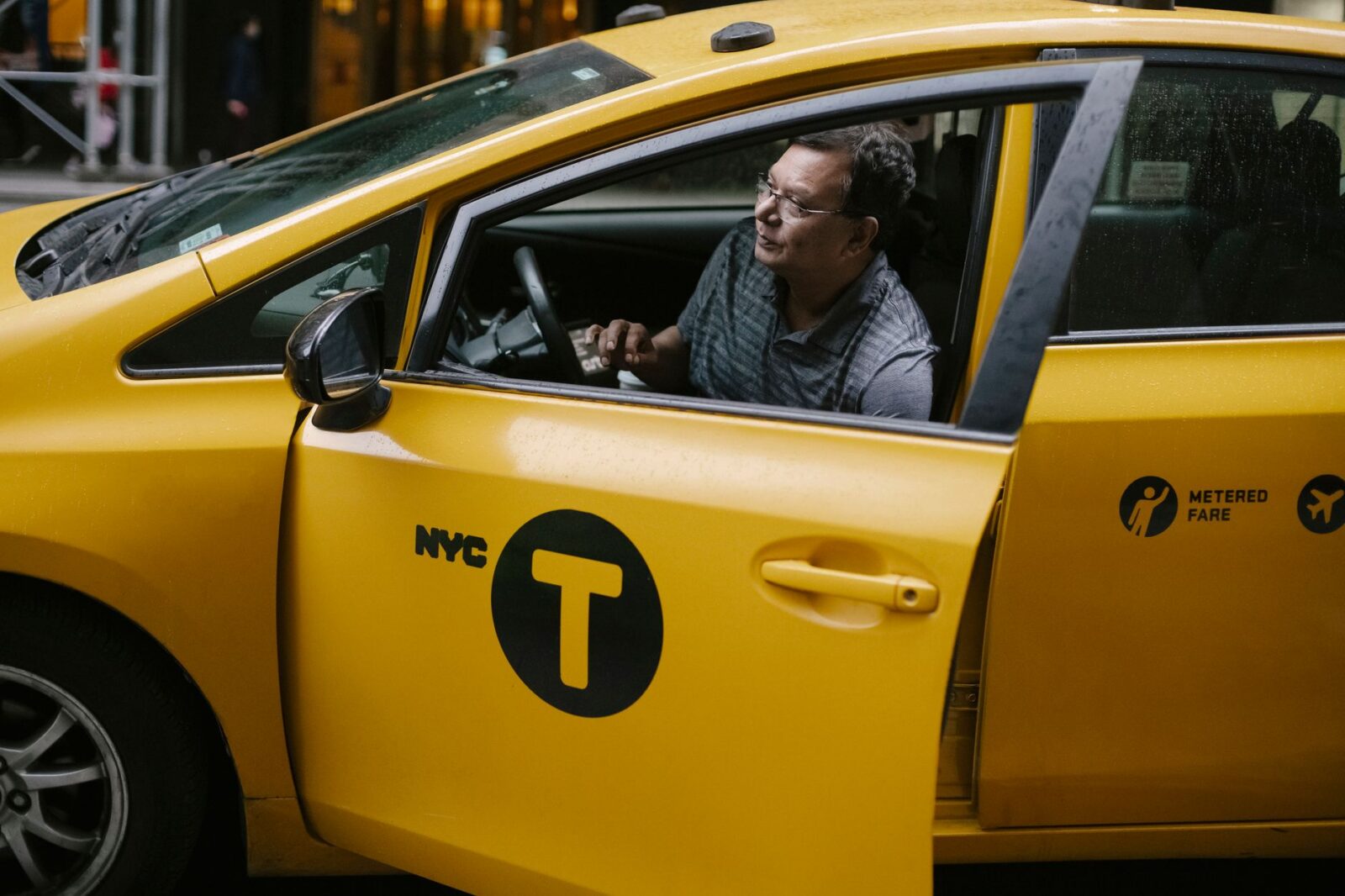
NEW YORK CITY — September 22, 2026
In a landmark legal development, DoorDash has reached a $131.5 million settlement with New York City concerning allegations of underpayment to delivery workers. This settlement is significant not only for the financial implications but also for the broader conversation surrounding labor rights within the gig economy.
The settlement was announced on September 22, 2026, following a series of investigations and legal challenges that scrutinized DoorDash’s payment practices. The New York City Department of Consumer and Worker Protection (DCWP) initiated the inquiry into DoorDash’s compensation structure, which was found to be insufficient in meeting the city’s mandated minimum wage for delivery workers.
Directly involved in this settlement are DoorDash, a major player in the food delivery industry, and the New York City government, which has been actively working to improve labor conditions for gig workers. The investigation revealed that many delivery workers were not receiving the full compensation they were entitled to, leading to widespread financial instability among this workforce.
The trigger for this development stemmed from growing public outcry and advocacy for gig workers’ rights, particularly as the pandemic highlighted the essential role of delivery personnel. The DCWP’s findings indicated that DoorDash had failed to comply with local wage laws, prompting the city to take legal action.
This settlement is particularly noteworthy as it represents one of the largest financial penalties imposed on a gig economy company for labor violations. The $131.5 million will be allocated to compensate affected workers, and it underscores the city’s commitment to enforcing labor laws that protect vulnerable workers in the gig economy.
The attention surrounding this settlement is amplified by the ongoing national debate regarding the rights of gig workers and the regulatory frameworks governing companies like DoorDash. As more cities and states consider similar regulations, this case may set a precedent for future legal actions against gig economy firms.
Locally, this development matters as it directly impacts the livelihoods of thousands of delivery workers in New York City, many of whom rely on these jobs for their primary income. Nationally, it raises questions about the sustainability of gig economy business models that often prioritize profit over worker welfare.
Looking ahead, the implications of this settlement could lead to increased scrutiny of other gig economy companies and potentially inspire similar legal actions in other jurisdictions. Additionally, DoorDash may need to reassess its compensation practices and operational strategies to ensure compliance with labor laws, which could reshape the landscape of the gig economy.
Source: NBC News









Google Finalizes Power Upgrade Agreement with Georgia Power
The strategic partnership between Google and Georgia Power aims to enhance energy...
 2 Mins read
Trump Endorses Diesel Export Ban Amid Rising Fuel Prices
Former President Donald Trump has voiced his support for a ban on...
2 Mins read
Trump Endorses Diesel Export Ban to Mitigate Rising Energy Costs
The former president's support for a diesel export ban could reshape energy...
2 Mins read


Trump Calls for Ban on Diesel Exports Amid Pressure from Republican Lawmakers
The former president's proposal could reshape the U.S. energy landscape and impact...
2 Mins read

Leave a comment