
Lab-Grown Diamonds Now Comprise 51% of New Engagement Rings in 2026
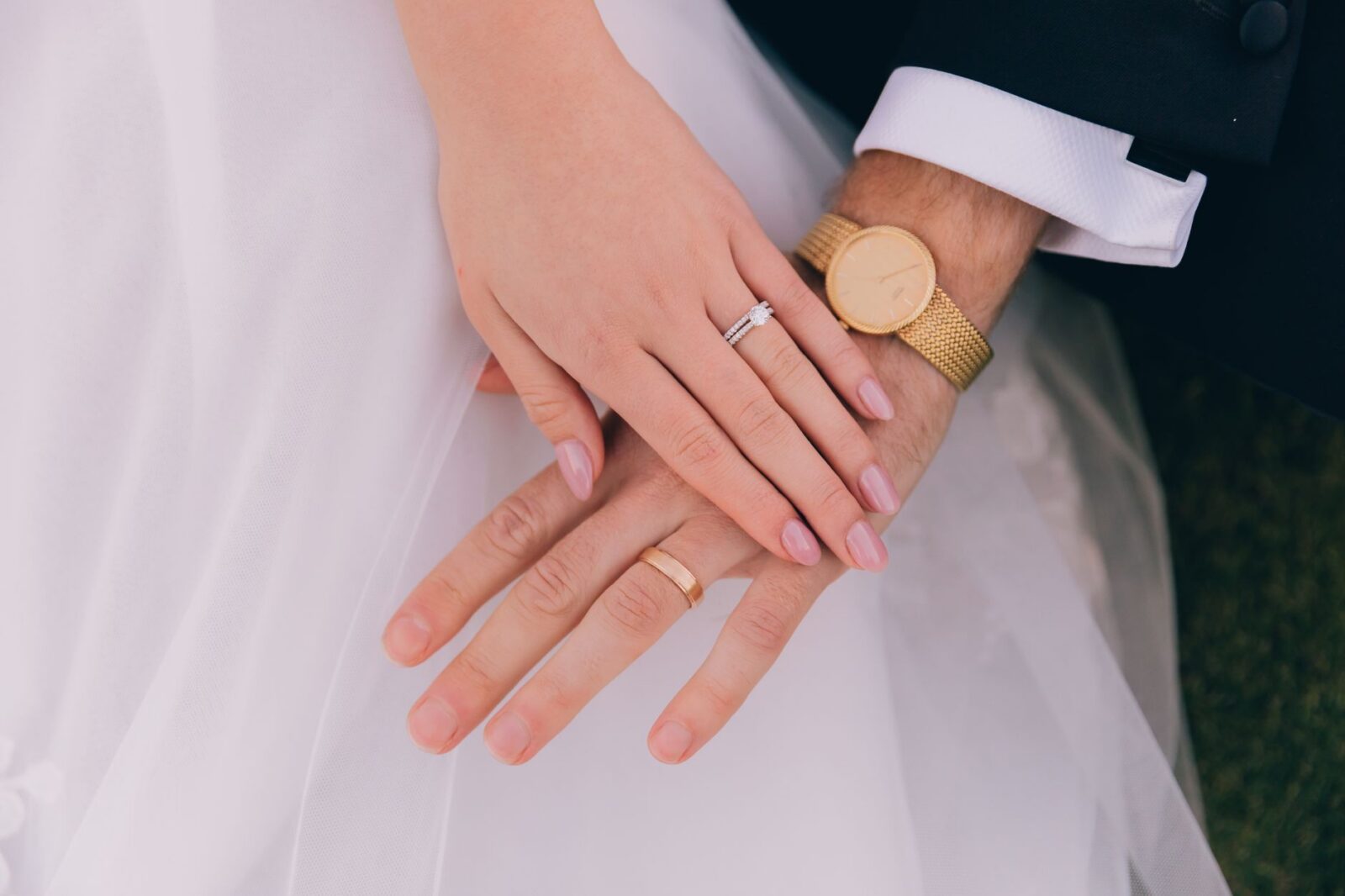
MIAMI — September 22, 2026
In a remarkable shift within the jewelry industry, lab-grown diamonds have officially reached 51% of new engagement rings sold in 2026. This development, reported on September 22, 2026, by the Caledonian Record, underscores a significant change in consumer preferences and market dynamics.
The rise of lab-grown diamonds is not merely a trend but a reflection of evolving consumer attitudes towards sustainability, ethics, and value. Traditionally, natural diamonds have dominated the engagement ring market, but increasing awareness about the environmental and ethical implications of diamond mining has prompted consumers to seek alternatives. Lab-grown diamonds, which are created using advanced technological processes that replicate the natural formation of diamonds, offer a more sustainable option without compromising on quality or appearance.
As of 2026, the market for lab-grown diamonds has expanded significantly, driven by both technological advancements and changing consumer values. The production of these diamonds is more environmentally friendly, as it requires less energy and water compared to traditional mining. Additionally, lab-grown diamonds are often priced 20-40% lower than their natural counterparts, making them an attractive option for budget-conscious consumers.
Key players in the jewelry industry, including major retailers and independent jewelers, have begun to adapt their offerings to meet this new demand. Companies such as Brilliant Earth and James Allen have been at the forefront of this movement, promoting lab-grown diamonds as a viable and desirable choice for engagement rings.
This shift is receiving heightened attention now as it coincides with a broader societal push towards ethical consumerism. The COVID-19 pandemic has accelerated many consumers’ desire for transparency and sustainability in their purchases, further propelling the lab-grown diamond market.
From a broader perspective, the implications of this trend extend beyond consumer choice. The jewelry industry, traditionally reliant on natural diamonds, may face significant economic shifts as lab-grown diamonds gain market share. This could lead to changes in pricing structures, supply chains, and even the future of diamond mining itself.
Looking ahead, it is realistic to anticipate that the trend towards lab-grown diamonds will continue to grow. As more consumers become educated about the benefits of lab-grown options, and as retailers expand their offerings, we may see lab-grown diamonds surpassing 60% of the engagement ring market within the next few years. Additionally, ongoing innovations in diamond production technology could further enhance the appeal and accessibility of lab-grown diamonds.
In conclusion, the rise of lab-grown diamonds to 51% of new engagement rings marks a pivotal moment in the jewelry industry, reflecting changing consumer values and preferences. This development not only reshapes the market landscape but also signals a broader cultural shift towards sustainability and ethical consumption.
Source: Caledonian Record








Chopard Celebrates 50 Years of Happy Diamonds: A Return to Elegance
Chopard commemorates five decades of innovation with the reintroduction of the original...
 3 Mins read

Pandora Partners with Dame Pat McGrath for Beauty-Inspired Jewelry Collection
The collaboration between Pandora and Dame Pat McGrath marks a significant intersection...
1 Mins read

A New Era for Panerai: The 42mm Luminor Collection
Explore Panerai's latest 42mm Luminor collection, blending heritage and modernity in exquisite...
2 Mins read


The Allure of Collaboration: Marathon x Watches of Espionage’s Titanium SAR
Discover the captivating union of Marathon Watches and Watches of Espionage in...
3 Mins read

Leave a comment