
Mental Health Crisis on USS Abraham Lincoln: Eight Sailors Attempt Suicide During Deployment
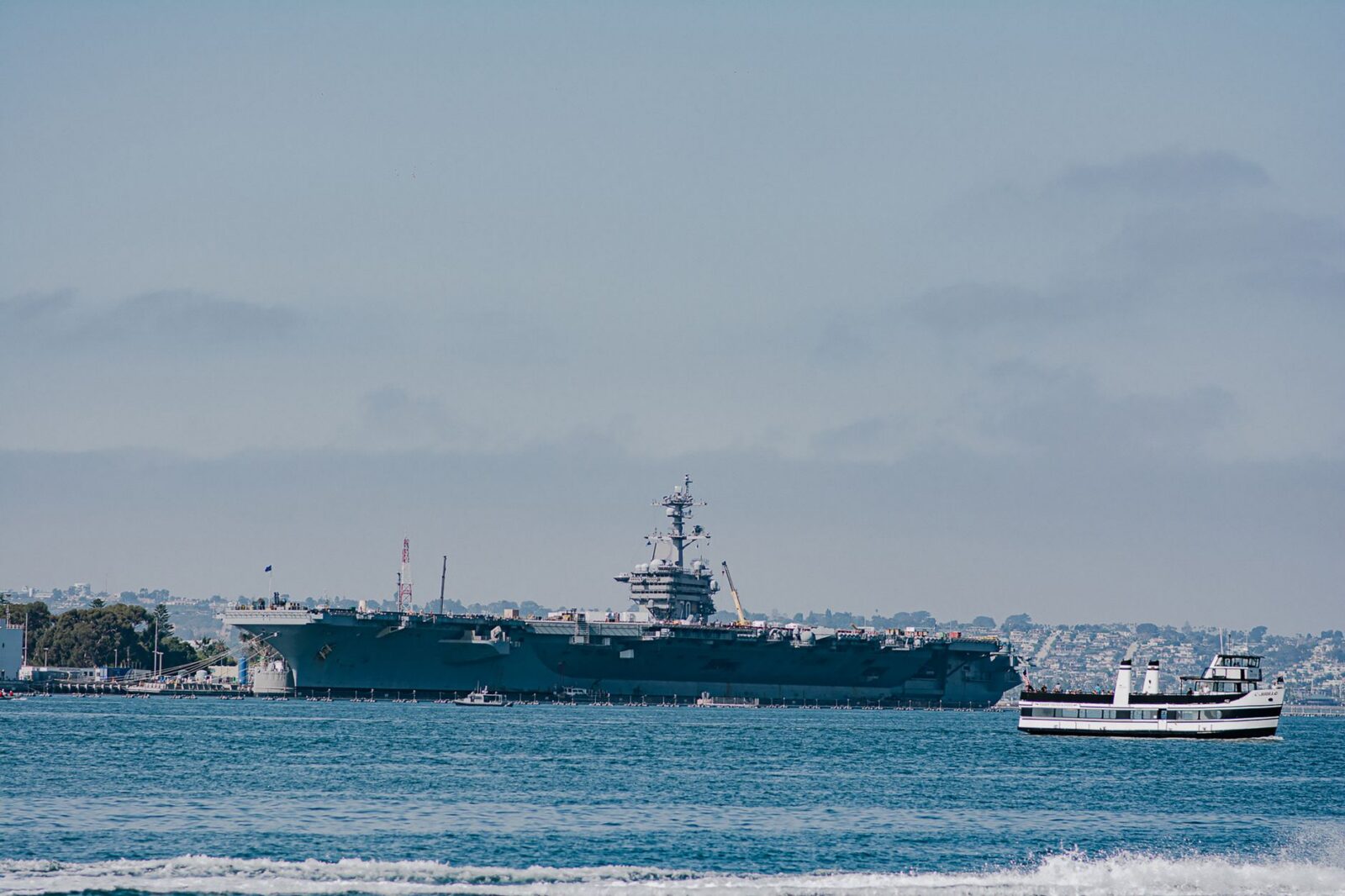
MIAMI — September 24, 2026
In a troubling development that underscores the mental health challenges faced by military personnel, eight sailors aboard the USS Abraham Lincoln have attempted suicide during the aircraft carrier’s current combat deployment against Iran. This alarming incident has raised significant concerns regarding the psychological well-being of service members operating in high-stress environments.
The USS Abraham Lincoln, a Nimitz-class aircraft carrier, is currently stationed in the Persian Gulf as part of a broader U.S. military presence aimed at deterring Iranian aggression. The confirmed suicide attempts were reported on September 24, 2026, and have been officially acknowledged by the U.S. Navy, which is now facing scrutiny over its mental health support systems.
The incidents reportedly occurred over a short period, prompting immediate intervention and support for the affected sailors. While the Navy has not disclosed specific details regarding the circumstances surrounding each attempt, the sheer number of incidents has raised alarms among military mental health advocates and families of service members.
This crisis is not isolated. The military has long grappled with mental health issues, particularly in combat zones where the pressures of deployment can exacerbate existing conditions or lead to new psychological challenges. The U.S. Department of Defense has been criticized for its handling of mental health resources, with advocates calling for more comprehensive support systems for active-duty personnel.
The recent attempts have drawn attention to the urgent need for reform within military mental health services. The Navy has stated that it is committed to ensuring the well-being of its sailors and is currently reviewing its mental health protocols. However, critics argue that more proactive measures are necessary to prevent such tragedies in the future.
This situation is receiving heightened attention now due to the ongoing geopolitical tensions in the region and the increasing visibility of mental health issues within the military. Public interest is particularly focused on how the military addresses these challenges, especially as the nation continues to engage in complex international conflicts.
The implications of these suicide attempts extend beyond the immediate crisis aboard the USS Abraham Lincoln. They highlight a systemic issue within the military that affects service members nationwide. As the Navy and other branches of the armed forces face mounting pressure to improve mental health care, the outcomes of this situation could lead to significant policy changes and increased funding for mental health initiatives.
Looking ahead, it is likely that the Navy will conduct a thorough investigation into the circumstances surrounding these suicide attempts. This may include reviewing mental health resources available to sailors, assessing the effectiveness of current support systems, and implementing new strategies to enhance the psychological resilience of service members. The military community and the public will be closely monitoring these developments, as they could set a precedent for how mental health issues are addressed in the armed forces moving forward.
Source: Marine Insight







Christa Pike Unconscious After Botched Lethal Injection Raises Ethical Concerns
The botched execution of Christa Pike on October 3, 2026, has ignited...
 2 Mins read
Legal and Ethical Questions Arise Following Christa Pike’s Botched Execution
The botched execution of Christa Pike raises significant legal and ethical questions...
2 Mins read
Israeli Airstrike on Gaza City Apartment Complex Results in Multiple Casualties
An Israeli airstrike on an apartment complex in Gaza City has left...
2 Mins read



Christa Pike’s Botched Execution Raises Ethical Concerns Over Lethal Injection
The botched execution of Christa Pike on October 2, 2026, has reignited...
2 Mins read

Leave a comment