
G7 Nations to Release 100 Million Barrels of Oil and Diesel Following US Pressure
MIAMI — October 3, 2026
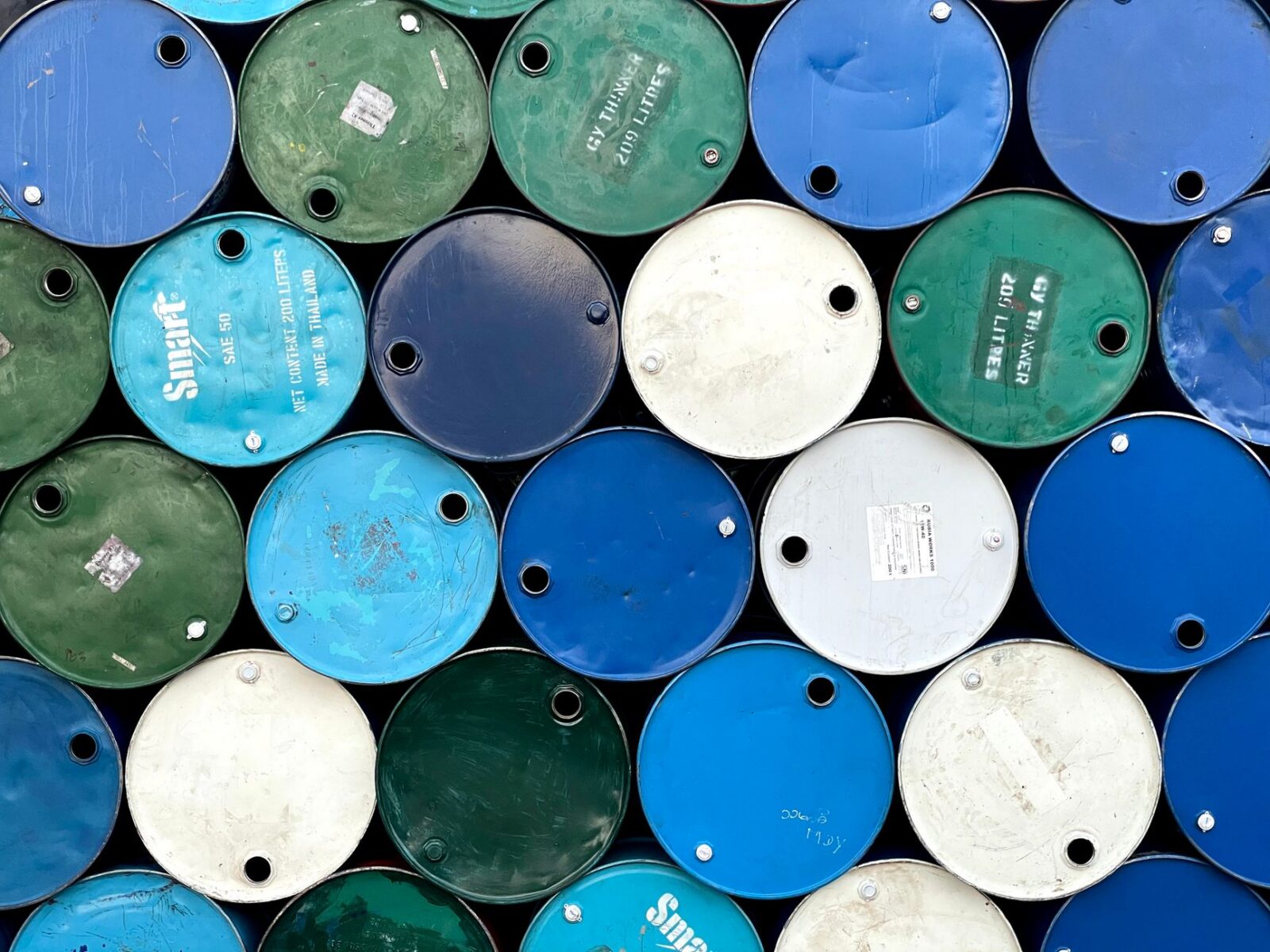
In a significant geopolitical development, the Group of Seven (G7) nations have collectively agreed to release 100 million barrels of oil and diesel. This decision, made public on October 2, 2026, comes in direct response to pressure from the United States, particularly amid threats from former President Donald Trump regarding energy supply and pricing.
The G7, which includes Canada, France, Germany, Italy, Japan, the United Kingdom, and the United States, has historically played a pivotal role in shaping global economic policies. The recent agreement to release oil and diesel marks a notable shift in their collective approach to energy management, especially in light of rising global oil prices and supply chain disruptions.
The trigger for this decision appears to be a combination of rising energy costs and the political climate surrounding energy independence. Trump’s vocal criticism of the G7’s previous inaction on energy supply issues has intensified the urgency for these nations to act. His administration had previously emphasized the need for a more aggressive stance on energy production and pricing, which seems to have resonated with current U.S. leadership.
According to reports, the release of these reserves is intended to stabilize global oil markets, which have been experiencing volatility due to various geopolitical tensions and economic factors. The decision is expected to have immediate implications for oil prices, which have been on an upward trajectory, affecting consumers and industries worldwide.
The G7’s action is significant not only for its immediate economic implications but also for its broader geopolitical context. The collaboration among these nations reflects a unified front in addressing energy security, which has become increasingly critical in the face of global supply chain challenges and geopolitical rivalries.
As the situation develops, the focus will likely shift to how this release impacts global oil prices and whether it leads to a more sustained approach to energy management among G7 countries. Analysts will be monitoring the market’s response, as well as any potential retaliatory measures from oil-producing nations that may feel threatened by this coordinated release.
Looking ahead, the G7 nations may need to consider long-term strategies for energy sustainability and independence, especially as global demand for energy continues to rise. The effectiveness of this release in stabilizing prices will be closely watched, and further discussions among G7 leaders may be necessary to address ongoing energy challenges.
Source: Banglanews24









Europe Releases Diesel Stocks in Response to Trump’s Export Ban Threat
The European Union has agreed to release substantial diesel stocks following a...
 2 Mins read
G7 Nations Announce Release of Diesel Stocks Amid Rising Oil Prices
The G7 countries have pledged to release diesel stocks to combat escalating...
2 Mins read
G7 Agrees to Release 100 Million Barrels of Oil Reserves Amid Geopolitical Tensions
The G7 nations have reached a significant agreement to release 100 million...
2 Mins read



Amazon’s $1 Billion Investment in Data Center Towns: A Strategic Move for Local Economies
Amazon's AWS has pledged over $1 billion to support U.S. communities hosting...
2 Mins read

Leave a comment