
Venezuela’s Oil Sector Eyes New Energy Deals with the U.S.
CARACAS — September 26, 2026
In a significant development for Venezuela’s beleaguered oil sector, the country is actively pursuing new energy deals with the United States. This strategic pivot comes as Venezuela seeks to revitalize its economy and attract foreign investment, particularly from U.S. energy companies.
The announcement was made public on September 26, 2026, amid ongoing discussions between Venezuelan officials and representatives from the U.S. energy sector. This move is seen as a crucial step for Venezuela, which has long struggled with economic sanctions and a declining oil production capacity.
Key players in this initiative include Venezuela’s state-owned oil company, Petróleos de Venezuela, S.A. (PDVSA), and various U.S. energy firms that have expressed interest in re-engaging with the Venezuelan market. The discussions are reportedly focused on potential joint ventures and technology transfers aimed at enhancing oil extraction and refining processes.
The impetus for this development appears to stem from a combination of factors, including the need for Venezuela to stabilize its economy, which has been severely impacted by years of mismanagement and international sanctions. The Venezuelan government, led by President Nicolás Maduro, is keen to leverage its vast oil reserves, which are among the largest in the world, to attract foreign capital and expertise.
In recent months, there have been indications of a thaw in U.S.-Venezuela relations, particularly as global energy markets have become increasingly volatile. The Biden administration has shown a willingness to explore options that could lead to a reduction of sanctions in exchange for commitments from Venezuela to increase oil production. This potential rapprochement is seen as a critical factor in the current negotiations.
The significance of these developments cannot be overstated. For Venezuela, securing new energy deals with the U.S. could provide much-needed financial relief and help restore its oil production levels, which have plummeted from over 3 million barrels per day in the late 1990s to less than 1 million barrels per day in recent years. For the U.S., re-engaging with Venezuela could help alleviate some of the pressures on global oil supplies, particularly in light of ongoing geopolitical tensions affecting other oil-producing regions.
Looking ahead, the next steps will likely involve further negotiations between Venezuelan officials and U.S. energy executives. Key deadlines may emerge as both sides seek to finalize agreements that could reshape the landscape of energy production in Venezuela. Additionally, any formal agreements will need to navigate the complex regulatory environment in both countries, particularly concerning U.S. sanctions.
As this situation evolves, it will be essential to monitor how these discussions unfold and what implications they may have for both Venezuela’s economy and the broader global energy market.
Source: Times of Suriname







Tren de Aragua Leader Captured in Venezuela Appears in Nebraska Court
The apprehension of a Tren de Aragua leader marks a significant development...
 2 Mins read
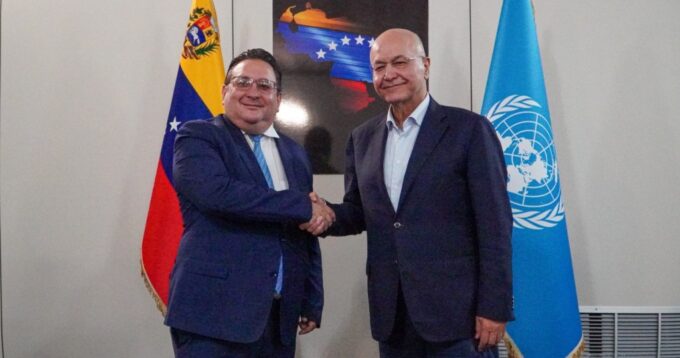
A New Chapter: UNHCR Commissioner Barham Salih’s Visit to Venezuela
UNHCR Commissioner Barham Salih visits Venezuela to strengthen cooperation and address refugee...
2 Mins read
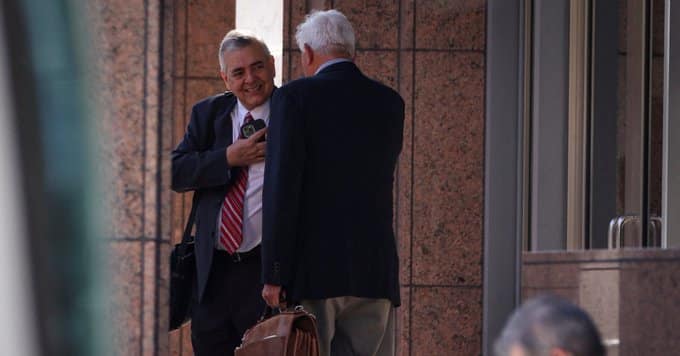
The Fall of a Political Figure: David Rivera’s Ten-Year Sentencing
David Rivera, former U.S. congressman, sentenced to ten years in prison for...
2 Mins read



FBI’s First Cyber Fugitive Captured in Venezuela and Returned to the U.S.
The capture and return of the FBI's first cyber fugitive marks a...
2 Mins read

Leave a comment