
Swiss Glaciers Experience Significant Ice Loss Amid Climate Crisis
GENEVA — September 30, 2026
In a stark reminder of the accelerating impacts of climate change, Swiss glaciers have lost 5.5% of their ice this year, marking the second-largest annual loss recorded. This alarming statistic has emerged from recent assessments conducted by Swiss glaciologists, highlighting the urgent need for comprehensive climate action.
The ice loss was officially reported on September 30, 2026, following a summer characterized by unprecedented heat waves and reduced snowfall across the region. The Swiss Federal Office of Meteorology and Climatology (MeteoSwiss) confirmed that these climatic conditions have significantly contributed to the glaciers’ rapid decline, which is now a pressing environmental issue.
Directly involved in this development are Swiss glaciologists and climate scientists who have been monitoring glacier health for decades. Their findings underscore a broader trend observed in alpine regions worldwide, where glaciers are retreating at alarming rates due to rising global temperatures.
The trigger for this year’s significant ice loss can be attributed to a combination of extreme heat and insufficient snowfall during the winter months. According to MeteoSwiss, the summer of 2026 was one of the hottest on record, exacerbating the melting process. The implications of this loss extend beyond environmental concerns; they also pose risks to water supply, tourism, and biodiversity in the region.
Financially, the interests at stake include the tourism sector, which heavily relies on the picturesque landscapes created by these glaciers. The Swiss tourism industry, valued at approximately CHF 25 billion annually, could face substantial losses if glacier retreat continues to diminish the natural beauty that attracts millions of visitors each year.
This story is receiving heightened attention now due to the increasing frequency of climate-related events and their visible impacts on natural landscapes. As public awareness grows, there is a mounting call for sustainable practices within industries, including luxury goods, which often draw on natural resources and pristine environments.
Locally, the loss of glaciers is a critical issue for communities dependent on glacial meltwater for agriculture and drinking supplies. Nationally, it raises questions about Switzerland’s climate policies and commitments to international climate agreements. Regionally, the situation reflects a broader pattern of environmental degradation across the Alps, while globally, it serves as a stark warning of the consequences of inaction on climate change.
Looking ahead, experts predict that without significant intervention to curb greenhouse gas emissions, the trend of glacier loss will continue. Future assessments will likely focus on the effectiveness of climate policies implemented by the Swiss government and the European Union. Additionally, there may be increased pressure on industries to adopt more sustainable practices, particularly in luxury sectors that are often criticized for their environmental footprints.
Source: abcnews.com

Morocco Energy Leaders Forge Partnership with Clean Energy Business Council
A new partnership aims to enhance clean energy investments in Morocco, marking...
 2 Mins read
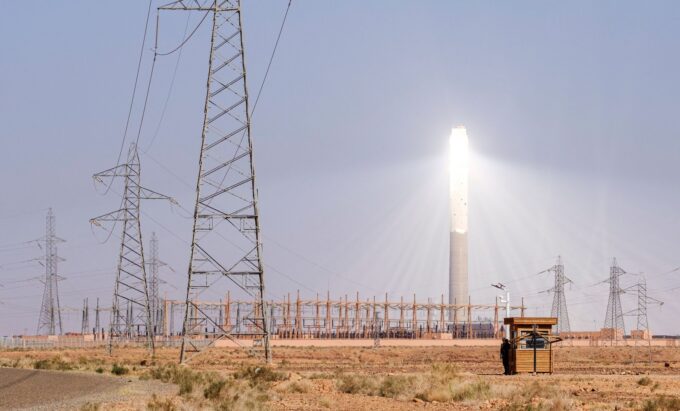
Morocco Energy Leaders and Clean Energy Business Council Forge Partnership to Enhance Clean Energy Investment
The newly announced partnership aims to significantly boost clean energy investment in...
2 Mins read
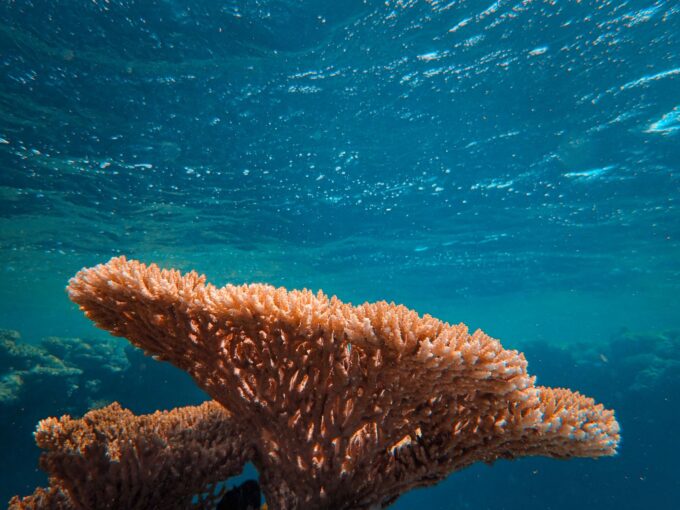
Underwater Umbrellas Show Promise in Combatting Coral Bleaching
Recent findings reveal the effectiveness of underwater umbrellas in reducing coral bleaching,...
1 Mins read


Innovative Underwater Umbrellas Developed to Shield Coral Reefs from Heat Damage
Scientists have unveiled a groundbreaking solution to protect coral reefs from the...
1 Mins read

Leave a comment