
Underwater Umbrellas Show Promise in Combatting Coral Bleaching
MIAMI — October 2, 2026
New research published today in EOS has unveiled promising findings regarding the use of underwater umbrellas as a novel approach to combat coral bleaching in the Caribbean. This development is significant as it addresses a critical environmental issue affecting marine ecosystems worldwide.
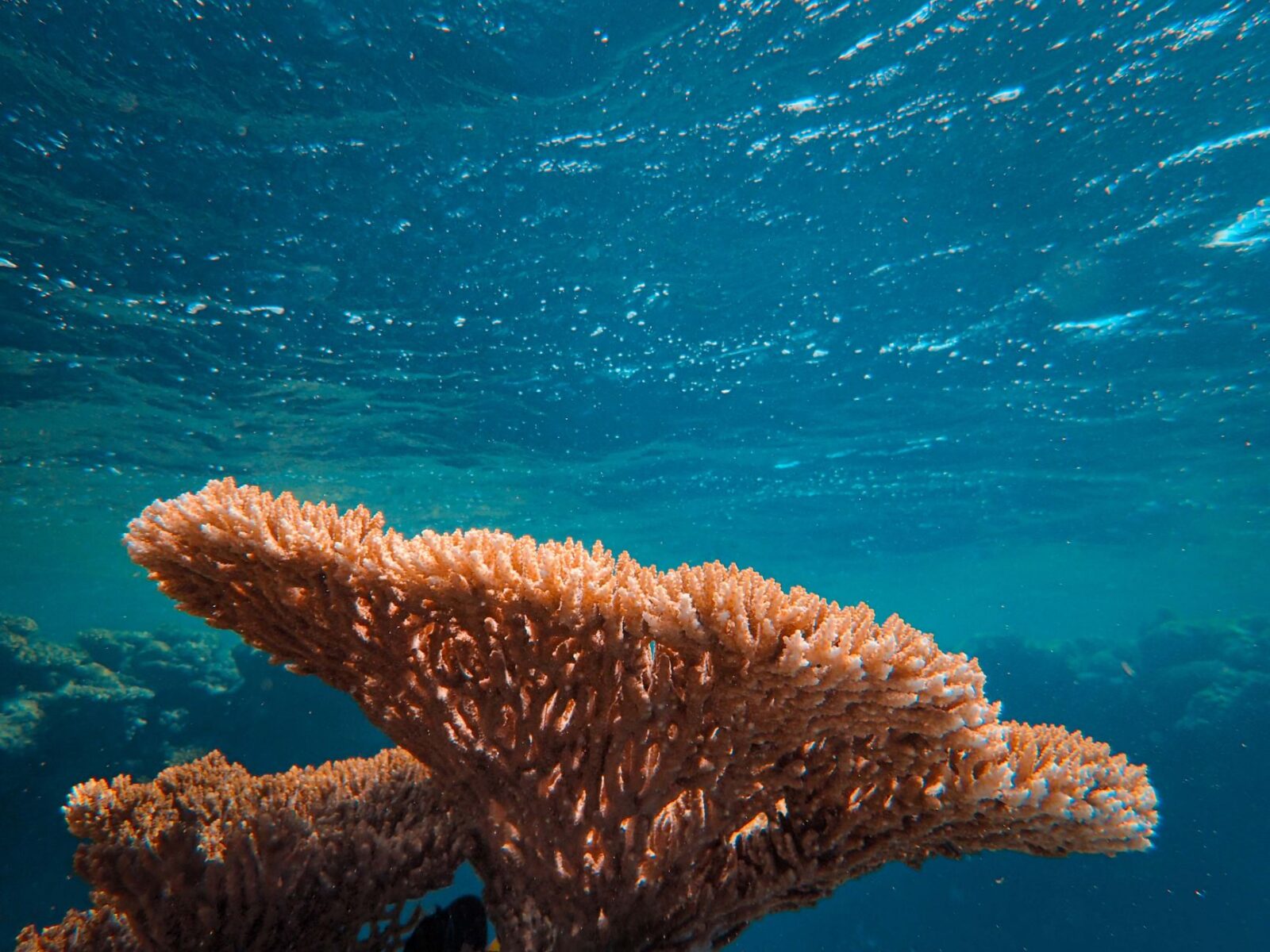
The study highlights that underwater umbrellas can effectively reduce and even reverse coral bleaching, a phenomenon exacerbated by rising sea temperatures and climate change. Coral bleaching occurs when corals expel the symbiotic algae living in their tissues, leading to a loss of color and essential nutrients, ultimately threatening coral health and biodiversity.
Conducted by a team of marine biologists, the research focused on various coral species in the Caribbean, where the impact of climate change has been particularly severe. The underwater umbrellas, designed to provide shade and lower water temperatures around coral reefs, were tested in multiple locations, demonstrating a marked improvement in coral health compared to untreated areas.
Key figures from the study indicate that the use of these umbrellas resulted in a 30% reduction in bleaching events over a six-month period. This finding is crucial, as it suggests a viable method for enhancing coral resilience against environmental stressors.
The implications of this research are profound, not only for local ecosystems but also for global conservation efforts. Coral reefs are vital to marine biodiversity, supporting approximately 25% of all marine species. They also provide significant economic benefits through tourism and fisheries, making their preservation essential for both ecological and economic stability.
This breakthrough is receiving heightened attention now due to the increasing urgency surrounding climate change and its impacts on marine environments. As global temperatures continue to rise, innovative solutions like underwater umbrellas could play a pivotal role in safeguarding coral reefs and maintaining the health of ocean ecosystems.
Looking ahead, the next steps involve further field trials to assess the long-term effectiveness of underwater umbrellas and their potential scalability. Researchers aim to collaborate with environmental organizations and governments to implement these solutions on a broader scale, potentially leading to policy changes that prioritize innovative conservation strategies.
In summary, the findings from this study represent a significant advancement in the fight against coral bleaching, offering hope for the future of coral reefs in the Caribbean and beyond. As the world grapples with the challenges posed by climate change, such innovative approaches could be instrumental in preserving our planet’s vital marine resources.
Source: eos.org








Innovative Underwater Umbrellas Developed to Shield Coral Reefs from Heat Damage
Scientists have unveiled a groundbreaking solution to protect coral reefs from the...
 1 Mins read
Innovative Underwater Umbrellas: A New Approach to Coral Reef Protection
Recent research reveals underwater umbrellas could shield coral reefs from heat damage,...
1 Mins read


Florida Scientists Develop Underwater Umbrellas to Shield Coral Reefs
A groundbreaking innovation in marine conservation, underwater umbrellas aim to protect coral...
2 Mins read

Amazon Secures 20-Year Nuclear Power Agreement with Constellation for East Coast Operations
Amazon's strategic move to sign a long-term nuclear power purchase agreement marks...
2 Mins read
Leave a comment