
Swiss Glaciers Experience Over 5% Ice Volume Loss in 2026 Due to Extreme Weather
GENEVA — October 1, 2026
In a significant environmental development, Swiss glaciers have lost more than 5% of their ice volume in 2026, attributed to extreme weather conditions. This alarming statistic highlights the ongoing and severe impacts of climate change, prompting urgent discussions about environmental policies and climate action.
The report, published by the Belfast Telegraph on October 1, 2026, details the drastic changes observed in the Swiss Alps, a region known for its iconic glaciers. The data indicates that the cumulative effects of rising temperatures and unusual weather patterns have accelerated ice melt, raising concerns among scientists and environmentalists alike.
Specifically, the extreme weather conditions that triggered this ice loss include unusually high temperatures and altered precipitation patterns, which have been linked to broader climate change phenomena. The Swiss Federal Office of Meteorology and Climatology (MeteoSwiss) has noted that 2026 has been one of the warmest years on record, exacerbating the already critical state of glacial health.
The implications of this ice loss are profound, not only for Switzerland but also for global climate patterns. Glaciers serve as crucial freshwater reservoirs, and their rapid decline threatens water supplies for millions of people. Additionally, the melting ice contributes to rising sea levels, which poses risks to coastal communities worldwide.
This development is receiving heightened attention now due to the increasing frequency of extreme weather events globally, which have been linked to climate change. The urgency of the situation has prompted calls for immediate action from governments and international organizations to address climate change and its impacts.
Locally, the loss of glacial ice is a pressing concern for the Swiss tourism industry, which relies heavily on winter sports and alpine tourism. Nationally, it raises questions about energy security, as hydropower generation is closely tied to glacial meltwater. Regionally, the situation underscores the interconnectedness of climate issues across borders, necessitating collaborative efforts to mitigate climate change impacts.
Looking ahead, realistic next steps may include increased investment in renewable energy sources, stricter regulations on carbon emissions, and enhanced climate adaptation strategies. The Swiss government, alongside international partners, may also convene discussions aimed at developing comprehensive climate action plans to address the urgent challenges posed by climate change.
In conclusion, the loss of over 5% of ice volume in Swiss glaciers in 2026 serves as a stark reminder of the pressing need for global action on climate change. As the world grapples with the consequences of environmental degradation, the situation in Switzerland highlights the critical intersection of climate science, policy, and public awareness.
Source: Belfast Telegraph

Morocco Energy Leaders Forge Partnership with Clean Energy Business Council
A new partnership aims to enhance clean energy investments in Morocco, marking...
 2 Mins read
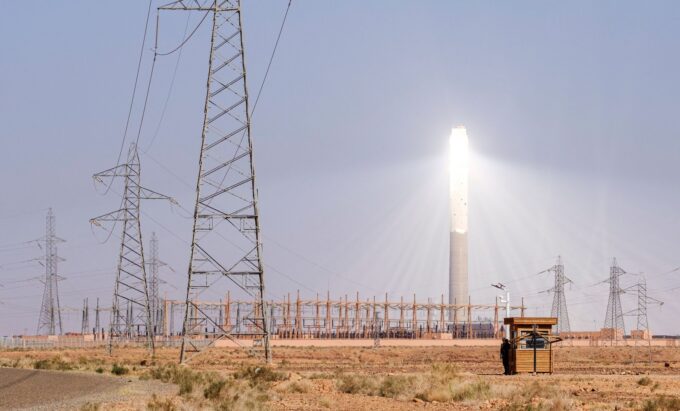
Morocco Energy Leaders and Clean Energy Business Council Forge Partnership to Enhance Clean Energy Investment
The newly announced partnership aims to significantly boost clean energy investment in...
2 Mins read
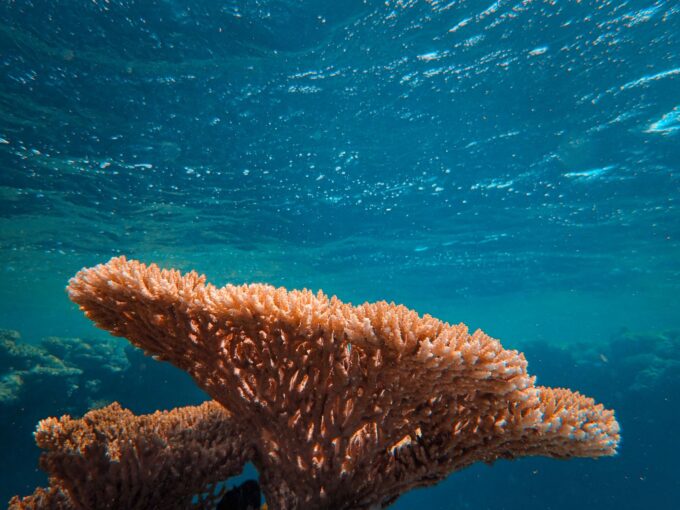
Underwater Umbrellas Show Promise in Combatting Coral Bleaching
Recent findings reveal the effectiveness of underwater umbrellas in reducing coral bleaching,...
1 Mins read


Innovative Underwater Umbrellas Developed to Shield Coral Reefs from Heat Damage
Scientists have unveiled a groundbreaking solution to protect coral reefs from the...
1 Mins read

Leave a comment