
US Deploys Third Aircraft Carrier to Middle East Amid Rising Tensions with Iran
MIAMI — October 2, 2026
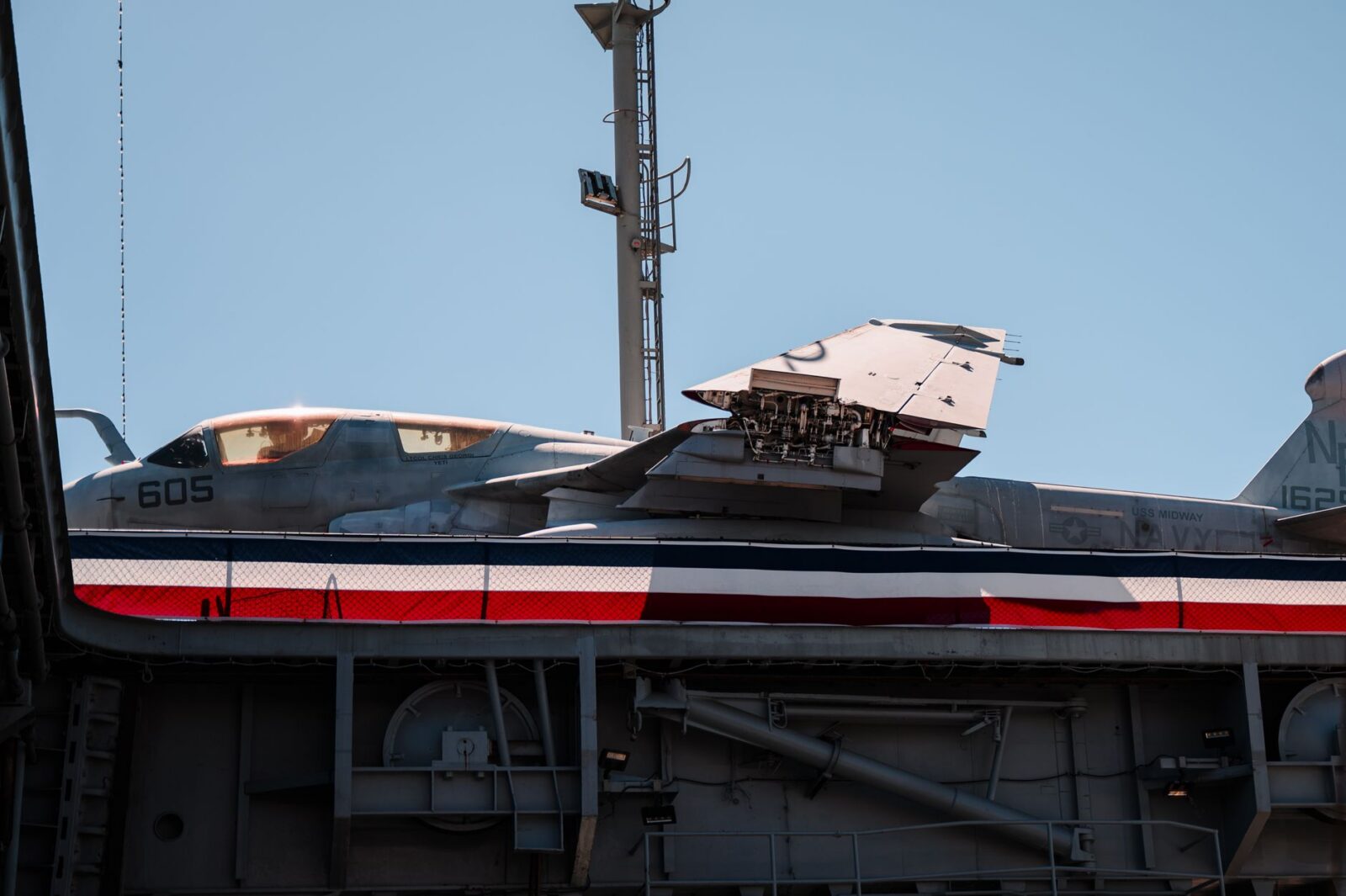
The United States has officially deployed a third aircraft carrier to the Middle East as part of a military buildup amid escalating tensions with Iran. This strategic decision, confirmed on October 2, 2026, marks a significant increase in U.S. military presence in the region, reflecting heightened concerns over Iran’s activities and its implications for regional stability.
The deployment of the USS Ronald Reagan, alongside the USS Dwight D. Eisenhower and USS Nimitz, underscores the U.S. commitment to maintaining a robust military posture in the face of perceived threats from Iran. This move comes as President Donald Trump weighs options regarding U.S. strategy towards Iran, particularly in light of ongoing tensions surrounding Iran’s nuclear program and its influence in the region.
Key players in this development include the U.S. Department of Defense, which has been vocal about the need to deter Iranian aggression, and the Iranian government, which has consistently criticized U.S. military presence in the Gulf. The decision to send additional naval assets follows a series of incidents involving Iranian naval forces and U.S. vessels, raising alarms about potential confrontations.
The trigger for this military escalation appears to be a combination of recent provocations attributed to Iran, including missile tests and aggressive maneuvers in the Strait of Hormuz, a critical chokepoint for global oil shipments. The U.S. has expressed concerns that these actions could threaten maritime security and disrupt international trade.
Financial interests are also at stake, as the stability of oil prices and the security of shipping lanes are crucial for both the U.S. and global economies. The U.S. military presence aims to reassure allies in the region, particularly Gulf states that rely heavily on the free flow of oil through these waters.
This story is receiving heightened attention now due to the potential for military conflict in a region already fraught with geopolitical tensions. Analysts are closely monitoring the situation, as any miscalculation could lead to a broader conflict involving multiple nations.
Locally, this development matters as it could impact U.S. foreign policy and military spending, while nationally, it raises questions about the effectiveness of diplomatic efforts to contain Iran’s nuclear ambitions. Regionally, the deployment may provoke a response from Iran, potentially escalating military confrontations.
Looking ahead, the U.S. military buildup could lead to increased naval operations in the region, with potential for further deployments if tensions escalate. Diplomatic channels may also be tested, as the U.S. seeks to balance military readiness with efforts to engage Iran in dialogue. The coming weeks will be critical in determining whether this show of force will lead to a de-escalation of tensions or if it will provoke further Iranian provocations.
Source: The Media Line








Trump Warns Iran of Severe Retaliation Following FlyDubai Incident
Former President Donald Trump has issued a stark warning to Iran regarding...
 1 Mins read

Escalating Protests in France Over High School Conditions
Violent protests erupted across France on October 3, 2026, as students and...
1 Mins read

Escalation of Student Protests in France Over Education Funding Issues
Student protests in France have escalated into violent clashes, highlighting critical issues...
1 Mins read



Brazil’s 2026 Presidential Election: A Pivotal Moment for the Nation
The 2026 presidential election in Brazil is underway, with significant implications for...
1 Mins read

Leave a comment