
Escalation of Student Protests in France Over Education Funding Issues
PARIS — October 2, 2026
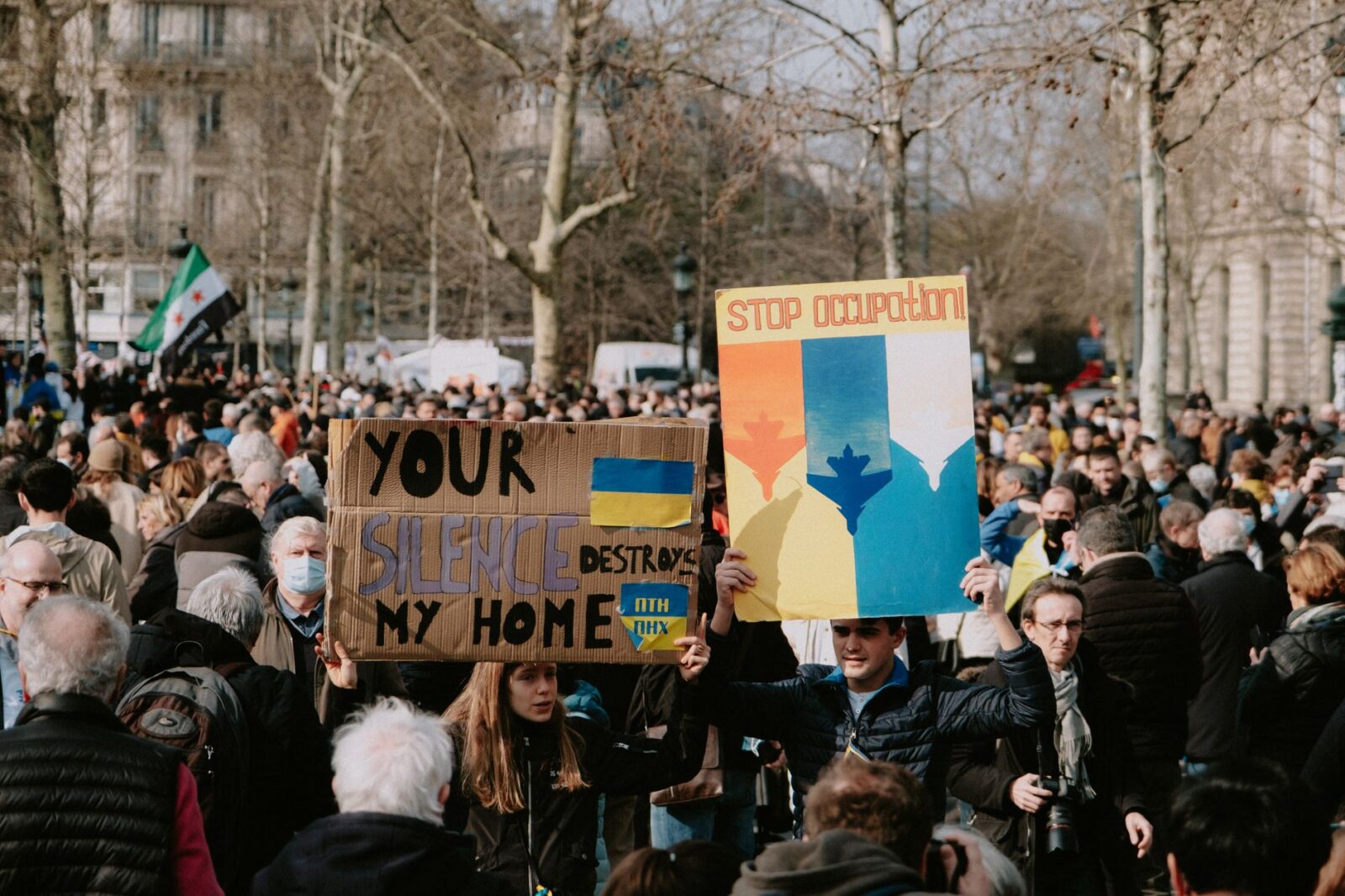
In a significant escalation of civil unrest, student-led protests erupted across France on October 2, 2026, in response to ongoing issues of underfunding and overcrowding in the nation’s educational institutions. The protests have resulted in violent clashes between demonstrators and law enforcement, leading to multiple school closures and heightened tensions in urban areas.
The protests began in major cities, including Paris, Lyon, and Marseille, where students gathered to voice their frustrations over deteriorating conditions in schools. Reports indicate that many educational facilities are struggling with inadequate resources, leading to overcrowded classrooms and a lack of essential materials. This situation has been exacerbated by budget cuts to the education sector, which have been a point of contention for several years.
According to the French Ministry of Education, funding for public schools has decreased by approximately 15% over the past five years, prompting students to demand immediate reforms. The protests have drawn attention from various student unions and educational advocacy groups, who argue that the government’s failure to address these issues threatens the quality of education and future opportunities for young people.
The protests turned violent as clashes broke out between students and police in several locations. Authorities reported that some demonstrators engaged in vandalism and confrontations with law enforcement, leading to the deployment of riot police to manage the situation. As a result, several schools were forced to close temporarily to ensure the safety of students and staff.
This development is receiving heightened attention due to its implications for the broader societal stability in France. The protests not only reflect the frustrations of students but also resonate with parents and educators who are equally concerned about the future of the education system. The unrest has sparked discussions about the adequacy of government funding and the prioritization of educational resources in the national budget.
Looking ahead, the French government faces mounting pressure to address these concerns. Potential next steps could include negotiations with student representatives and educational stakeholders to discuss funding reforms and resource allocation. Additionally, the government may need to consider public forums or town hall meetings to engage with the community and address the underlying issues fueling these protests.
The outcome of these protests could have lasting implications for educational policy in France, influencing future budgetary decisions and potentially reshaping the landscape of public education in the country.
Source: CBS News










Brazil’s 2026 Presidential Election: A Pivotal Moment for the Nation
The 2026 presidential election in Brazil is underway, with significant implications for...
 1 Mins read

Pentagon Officials Alarmed After Musk and Luckey Tapped for Project Meridian
The Pentagon's recent enlistment of Elon Musk and Palmer Luckey for Project...
2 Mins read

California and Cities Sue Trump Administration Over Fuel Economy Standards
A coalition of states and cities has filed a lawsuit against the...
2 Mins read



California and Other States Sue to Block Trump Administration’s Weaker Fuel Economy Rules
A coalition of states and cities has filed a lawsuit against U.S....
2 Mins read

Leave a comment