
Ukraine’s First Combat Use of Ballistic Missile Marks Significant Escalation in Conflict
KYIV — October 2, 2026
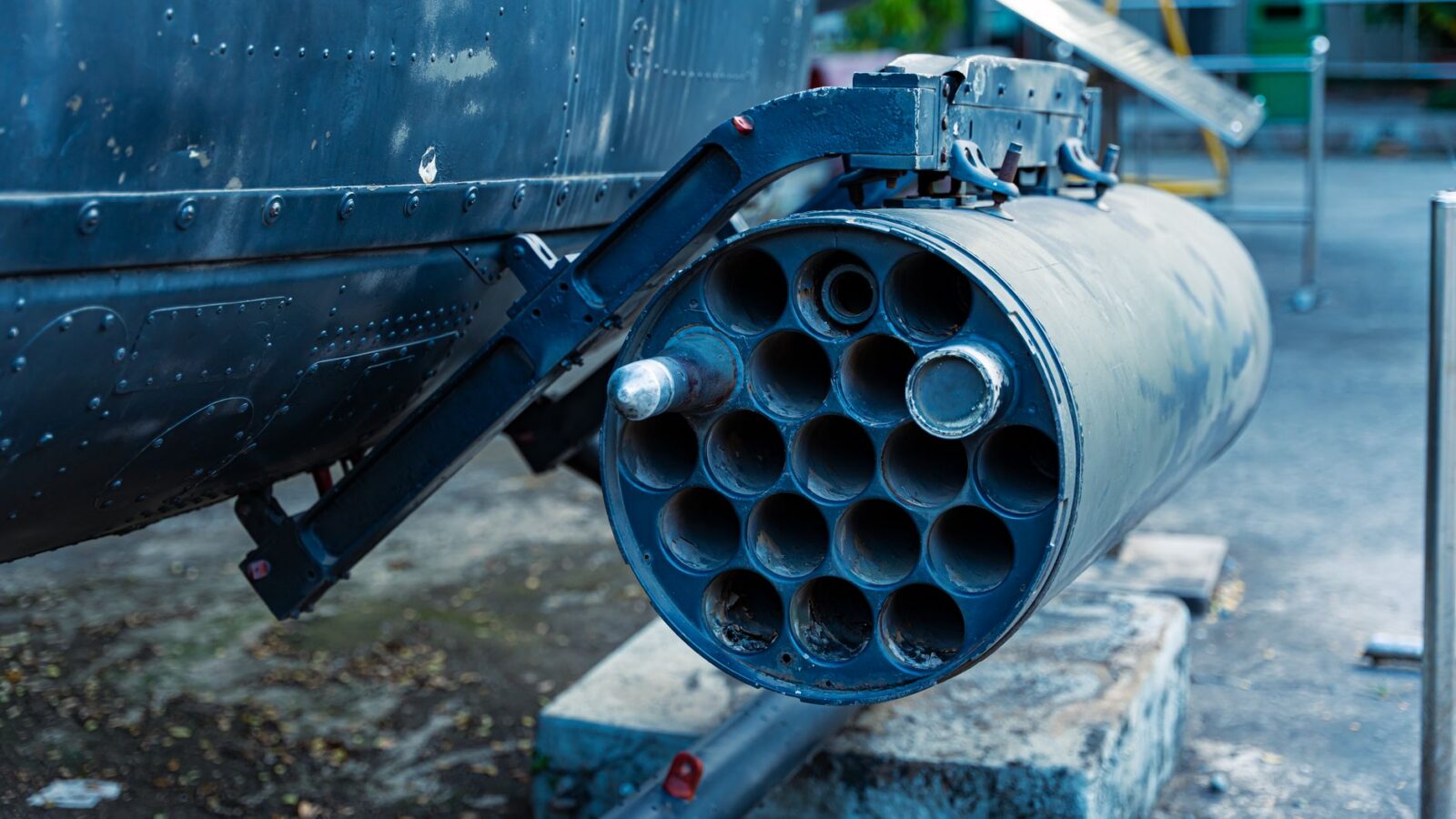
Ukraine has officially reported its first combat use of a domestically developed ballistic missile, the FP-7, marking a significant escalation in the ongoing conflict with Russia. This development was confirmed on October 2, 2026, and is poised to alter military strategies and geopolitical dynamics in the region.
The FP-7 missile, which has been under development as part of Ukraine’s efforts to enhance its military capabilities, was deployed in a targeted strike against Russian military positions. This marks a notable shift in Ukraine’s military strategy, as the use of ballistic missiles has traditionally been associated with larger-scale military operations and indicates a move towards more aggressive tactics in the conflict.
The decision to deploy the FP-7 comes amid ongoing hostilities that have escalated since the invasion of Ukraine by Russia in 2022. The conflict has seen various phases of intensity, with Ukraine relying heavily on Western military support, including advanced weaponry and training. The introduction of the FP-7 is seen as a response to the need for more effective long-range strike capabilities to counter Russian advances.
Key players in this development include the Ukrainian Ministry of Defense, which has been vocal about the need for enhanced military capabilities, and various defense contractors involved in the missile’s development. The FP-7 is part of a broader strategy to modernize Ukraine’s military infrastructure and reduce reliance on foreign arms supplies.
This event is receiving heightened attention due to its implications for the ongoing conflict and the potential shift in the balance of power in the region. Analysts suggest that the successful deployment of the FP-7 could embolden Ukraine’s military efforts and encourage further support from Western allies, who have been closely monitoring the situation.
On a broader scale, the use of ballistic missiles by Ukraine could provoke a response from Russia, potentially escalating military engagements and complicating diplomatic efforts aimed at resolving the conflict. The international community is likely to scrutinize this development, as it raises questions about the future trajectory of the war and the stability of the region.
Looking ahead, the situation remains fluid. Analysts predict that Ukraine may continue to develop and deploy advanced weaponry as it seeks to maintain its defensive posture against Russian aggression. Additionally, the response from Russia and its allies will be critical in shaping the next phases of the conflict. Future military engagements, potential retaliatory strikes, and shifts in international diplomatic efforts will be closely watched in the coming days.
Source: The New York Times









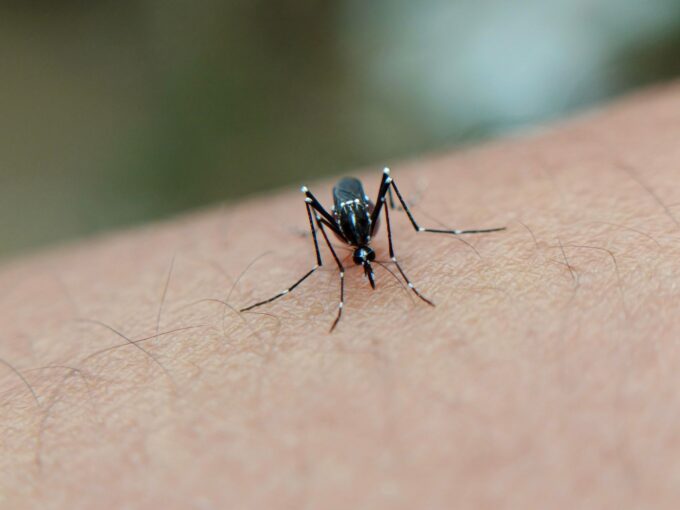
Florida Declares Emergency as Dengue Fever Cases Surge to Record High
The dengue outbreak in Florida has reached a record 252 cases, prompting...
 2 Mins read
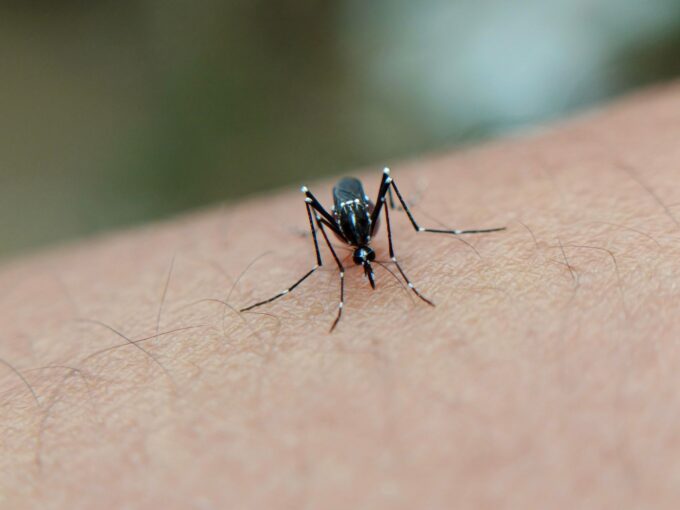
Florida Faces Worst Dengue Fever Outbreak in Decades with Over 250 Cases
The dengue fever outbreak in Florida has surpassed 250 cases, marking a...
2 Mins read
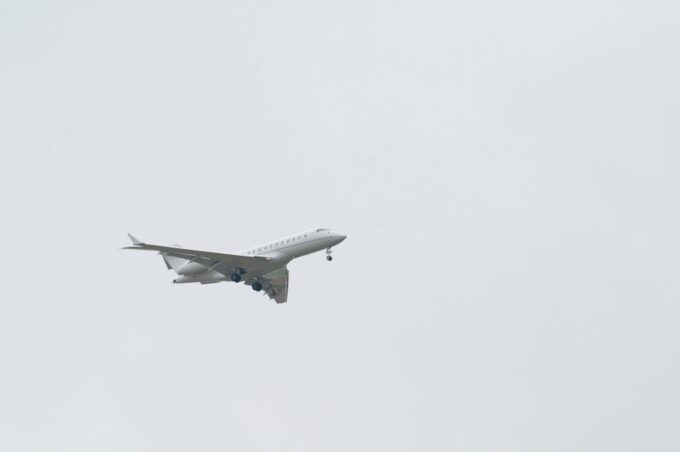
Coast Guard Searches for Missing Medical Transport Jet Near Nantucket
A medical transport jet with six people on board has gone missing,...
1 Mins read


Search Continues for Missing Medical Plane Near Nantucket with Six on Board
Ongoing search efforts are underway for a medical plane that went missing...
2 Mins read

Leave a comment