
Yemen’s Armed Forces Launch Strikes Against Houthis in Sanaa

SANAA — October 3, 2026
In a significant military escalation, Yemen’s armed forces announced on October 3, 2026, that they are conducting airstrikes against Houthi positions in the capital city of Sanaa. This development marks a critical juncture in the protracted conflict that has engulfed Yemen since 2014, when the Houthis seized control of the capital and ousted the internationally recognized government.
The strikes, confirmed by Yemen’s military leadership, are reportedly aimed at key Houthi military installations and command centers. The operation underscores the ongoing hostilities between the Yemeni government, backed by a Saudi-led coalition, and the Iran-aligned Houthi rebels. The Houthis have been accused of receiving military support from Iran, which has further complicated the conflict and drawn in regional powers.
The immediate trigger for these strikes appears to be a series of recent Houthi attacks on government-held territories and infrastructure, which have escalated tensions in the region. The Yemeni government has expressed its commitment to reclaiming control over territories held by the Houthis, and these strikes are part of a broader strategy to assert military dominance.
Key players in this conflict include the Yemeni government, led by President Rashad al-Alimi, and the Houthis, led by Abdul-Malik al-Houthi. The Saudi-led coalition, which includes the United Arab Emirates and other Gulf states, continues to provide military support to the Yemeni government, complicating the dynamics of the conflict.
This military action is receiving heightened attention due to its potential implications for regional stability. The ongoing conflict in Yemen has already resulted in one of the world’s worst humanitarian crises, with millions facing famine and disease. The escalation of military operations could further exacerbate the humanitarian situation and lead to increased civilian casualties.
Moreover, the strikes may provoke a response from the Houthis, who have previously retaliated against Saudi and Yemeni military targets. Such retaliatory actions could lead to a broader regional conflict, drawing in external powers and destabilizing the already fragile security landscape of the Arabian Peninsula.
Looking ahead, the situation remains fluid. Analysts suggest that if the Yemeni government continues its military operations, it may lead to a protracted conflict with no clear resolution in sight. International diplomatic efforts to broker peace have stalled, and the humanitarian crisis is likely to worsen as military actions escalate. The coming days will be critical in determining the trajectory of this conflict and its impact on the region.
Source: Reuters










Trump Pledges $90 Checks for Millions of Seniors on Medicare
The former president's promise could reshape the political landscape for senior voters...
 1 Mins read
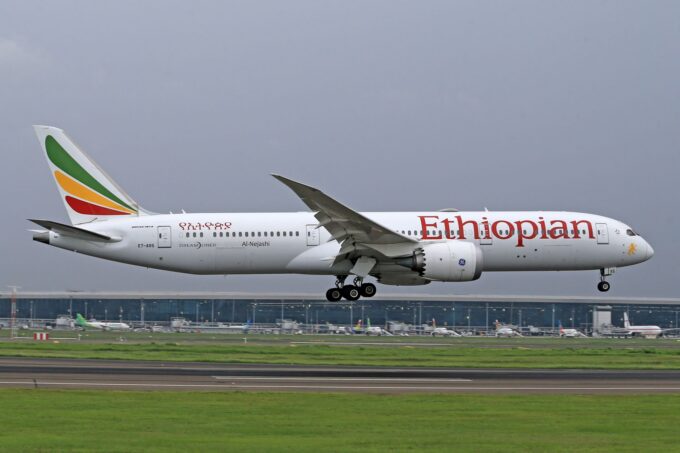
Ethiopian Government Forces Retake Mekelle Airport Amid Ongoing Tigray Conflict
Pro-government forces have reclaimed control of Mekelle airport, a pivotal site in...
2 Mins read

Mass Protests Erupt Across Spain Over Housing Crisis Following Rejection of Relief Measures
Tens of thousands of Spaniards took to the streets on October 3,...
2 Mins read
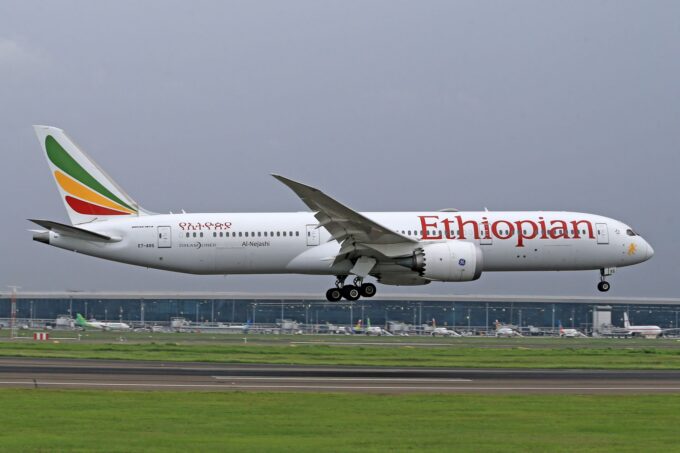


Ethiopian Forces Retake Airport in Tigray’s Capital Mekelle Amid Rebel Retreat
The retaking of Mekelle's airport marks a pivotal moment in the ongoing...
2 Mins read

Leave a comment